Global warming debates aside, extreme weather events have become all too common over the past decade, especially in the United States. Hurricane Sandy alone caused over $70 billion in damage and left more than eight million people without power—including my fiancé's entire neighborhood in New Jersey, which was dark for a full week.
It's no wonder sales of residential power generation equipment are surging as homeowners prepare for the worst. The global generator market is projected to hit $22.4 billion by 2019, while the residential solar power equipment market is booming thanks to improved efficiency, lower costs, and incentives (though some subsidies are phasing out).
While gas and diesel generators are familiar, home solar kits offer a compelling alternative. With thousands of options available—each with unique pros and cons—choosing the right one matters. Here's what you need to know.
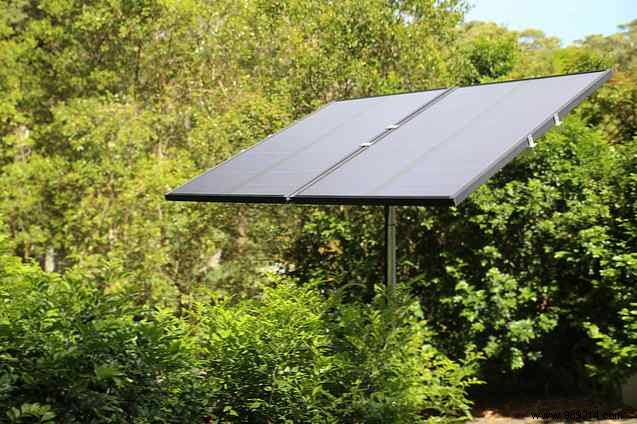
Home solar kits use photovoltaic panels to generate electricity on your property. They're ideal for grid-down emergencies but also help cut utility bills year-round.
Options range from compact setups to large systems. You don't need a specialty store; big retailers like Home Depot stock them. For about $200, you can get an 80-watt kit—enough to charge phones, laptops, or run LED lights.
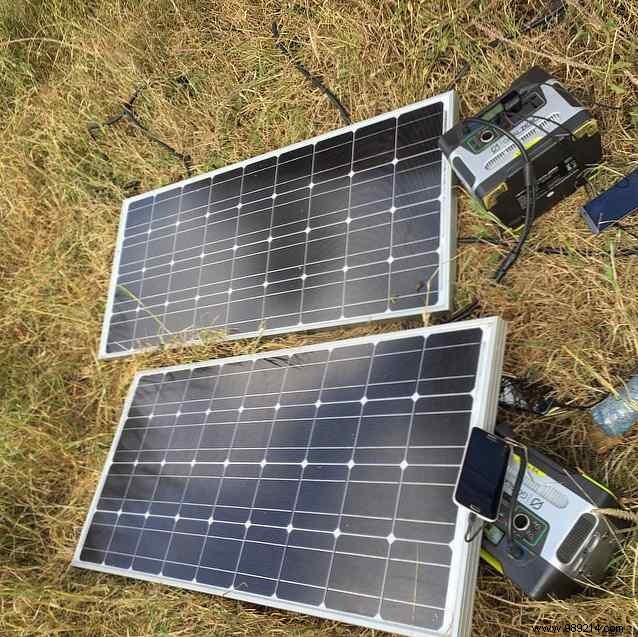
Invest more, like $2,500, and you get a 1,060-watt kit capable of powering refrigerators or freezers. Amazon offers plenty of choices too.
Many kits are portable, not requiring roof mounting—perfect for backyards, balconies, or emergencies.

Solar kits outshine fuel generators in key ways: no need for gas or diesel, which can run short during crises. My fiancé recalls endless gas lines and tempers flaring during Sandy—no fun.
Solar panels are low-maintenance with no moving parts, minimal ongoing costs, and easy scalability.
In real emergencies, they shine: Keep insulin refrigerated for diabetics, power modems/routers to stay online (if cable infrastructure holds), or connect to batteries for extended runtime.
They're affordable, reliable, renewable, and potentially life-saving. But which one fits your needs?
Here are top picks across price points, based on performance, value, and real-world use.
Under $200, this entry-level kit includes a 100-watt monocrystalline panel, 30A PWM charge controller, cables, and Z-brackets—ideal for RVs or boats.
Renogy 100 Watt 12 Volt Monocrystalline Solar Starter Kit with 100 Watt Solar Panel + 30A PWM Negative Ground Charge Controller + MC4 Connectors + Tray Cable + Z Brackets for RV, Boat. Buy Now on Amazon $196.99
In full sun, it powers laptops reliably—nothing more.
At $800, this delivers excellent value with four 100-watt polycrystalline panels, charge controller, 1500W inverter, and cables.
WindyNation 400 Watt Solar Panel Complete Kit with 1500 Watt VertaMax Power Inverter RV, Boat, Off Grid 12 Volt Battery. Buy now on Amazon $805.99
Expect ~1,600 watt-hours daily—enough for a fridge, lights, small TV, and phone charges (varies by efficiency).
Near $1,800, the Yeti 1250 core (1250Wh battery) powers everything from gadgets to fridges/freezers, with USB, DC, AC, and Powerpole outlets.
Goal Zero Yeti 1250 Solar Generator Kit with Boulder 30 Solar Panels. Buy Now on Amazon
Includes two Boulder 30 panels (full charge in ~24 hours); portable and expandable. Goal Zero Boulder 30 Solar Panel. Buy now on Amazon
Built tough for beginners seeking simplicity.
In storm-prone areas, solar is a smart investment—especially with advancing tech like perovskite cells and batteries (e.g., Tesla Powerwall).
Planning to add solar? Used one during an outage? Share in the comments!
