As smart home devices flood the market, developer APIs are key to unlocking their full potential. These interfaces extend far beyond manufacturer apps, letting you customize your home with innovative functionality.
In this expert guide, we'll break down how APIs work, their real-world benefits for homeowners, and examples from top brands. Move past basic setups—third-party APIs offer endless creativity for savvy users.
APIs, or Application Programming Interfaces, are standardized code sets that enable software components to communicate seamlessly. They power everything from web services and operating systems to databases and libraries.
For smart homes, APIs allow third-party apps and services to connect with devices like lights, thermostats, and weather stations—delivering features the original vendor might overlook.
Leading companies provide robust APIs for their ecosystems. Here's a look at offerings from Philips Hue, Nest, Netatmo, Insteon, and Amazon.
Philips Hue dominates smart lighting, with bulbs controllable worldwide via the official app. The Hue API fuels a thriving third-party ecosystem across Android, iOS, Windows, macOS, and more.

Apps4hue.com catalogs hundreds, sorted by categories like Kids, Automation, and Health. Developers access it free with a simple signup.
Standout Examples:
Since 2014, the Nest Developer Program has integrated Nest devices—like the Learning Thermostat—with lights, appliances, and fitness trackers on iOS, Android, and web.
The Nest API offers subscription-based access to device-shared data.
Standout Examples:
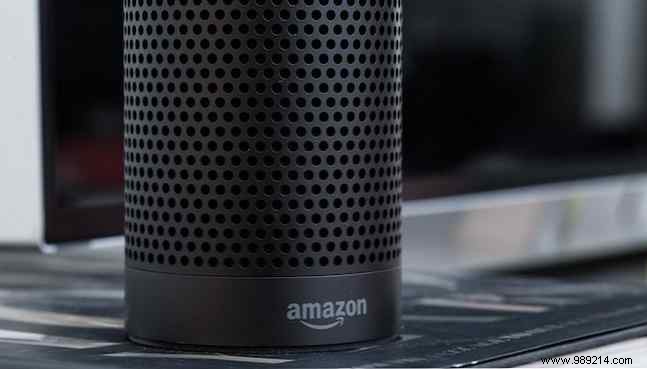
The Amazon Echo's popularity stems from the Smart Home Skill API, enabling voice control via Alexa for lights, locks, thermostats, and fans. Major brands like Philips Hue, Ecobee, and Samsung integrate seamlessly—over 450 options and growing.
Developers use it free.
Standout Examples:
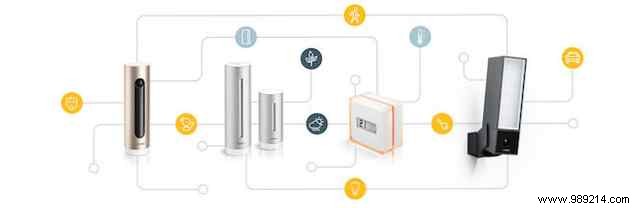
Netatmo's Connect APIs (since 2016)—Weather, Smart Home, and Enterprise—are free for developers. They support weather stations, thermostats, security cams, and air quality monitors.
Standout Examples:
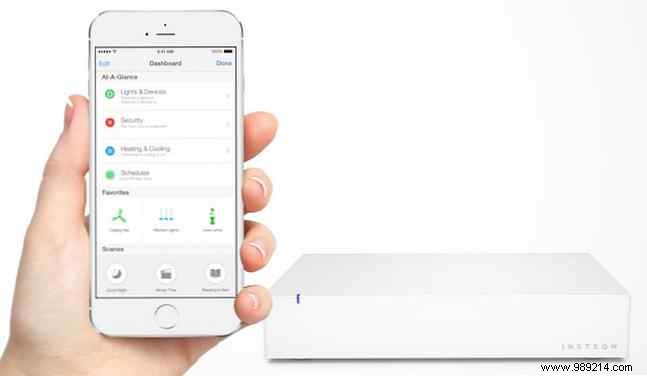
Insteon's lineup includes thermostats, switches, plugs, and LEDs. Their API connects to hubs and partners like Amazon, Sonos, Logitech, and Apple—free upon approval.
Standout Examples:
Most smart device makers offer APIs—start at their official sites, apps, or stores to find third-party integrations. A quick search reveals gems to supercharge your setup.
Which smart home APIs do you use? Share in the comments!
