Assess the traffic level in the space where your new area rug will go. For high-traffic areas, invest in a durable, high-quality rug that stands the test of time. In low-traffic spots, prioritize style and aesthetics over ruggedness.
Lucie Rowe
If the rug will serve as the room's centerpiece, opt for one with intricate patterns or bold prints to draw the eye. For subtler integration, choose clean, simple designs.
Factor in pets, children, and spill-prone environments when selecting your rug to ensure it handles daily life gracefully.
Set a realistic budget upfront. Area rugs range from budget-friendly options starting at just a few dollars to luxury pieces costing thousands, influenced by materials, craftsmanship, and size.
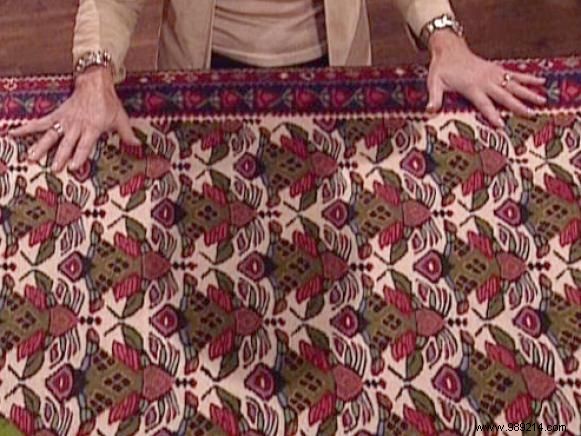
A woven kilim rug offers striking visuals with ornate patterns, injecting color and texture into any space. These wool rugs are resilient yet thin, affordable, and ideal for busy areas due to their durability.
Persian knotted wool rugs exemplify fine craftsmanship, often featuring 350 knots per square inch. Hand-knotted by skilled artisans—sometimes a family's year-long labor—these dense, thick rugs boast authentic fringes woven directly into the pile. Perfect for formal rooms, they deliver timeless elegance and generational longevity.
Synthetic rugs mimic Persian styles at a fraction of the cost through machine production. Check the back: punched-through fibers and sewn-on fringes distinguish them from hand-knotted originals. They're practical for budgets but won't match wool's enduring quality.
For ultra-affordable choices, chenille rugs provide diverse patterns and styles. Though less durable than premium options, they suit low-demand areas well.
Rug sizing depends on the room's purpose. In open living spaces, select a large rug with balanced margins to the walls. For dining rooms, add at least 4 feet to your table's dimensions so chairs stay fully on the rug when pulled out.
Layer multiple rugs to define zones in spacious rooms, blending complementary styles without clashing dramatically.
Always use a rug pad to prevent slips and prolong rug life. Consult a specialist for the best match to your rug type.
