As an experienced gardener, I've seen many common mistakes when selecting trees. Here's a professional guide to the essential criteria to ensure your choice thrives for decades.
Shade: Visualize the tree's canopy in 15 years. Some species grow quickly, while others develop slowly.
Fruits: Fruit trees offer diverse species and varieties. Select ones with fruits you enjoy, and ensure harvest times align with your presence (avoid summer-ripening fruits if you're away on vacation).
Ornamental Appeal: While all plants have beauty, some trees excel with stunning flowers or vibrant fall foliage.
Available Space: Trees over 2m tall need at least 2m from fences, but often more. Many weeping willows and cedars fail due to insufficient room.
Soil Type: Most trees adapt well, but extremes like very sandy or clay-heavy soils require caution.
Exposure: Trees generally prefer full sun, though exceptions exist. Consider your garden's location in France and altitude.
Maintenance: If you're handling garden care yourself, opt for low-maintenance varieties.
Nearby Plants: Factor in shade cast, growth interference, and root competition for soil nutrients.
Garden Atmosphere: Match the tree to your garden's style—Mediterranean, mountain, rustic, or Japanese. Avoid mismatches like an apple tree in a pine grove or an olive near a pond.
For trees in pots, consult specialized resources for the best options.
Your tree will grace your view for several decades, so thoughtful selection pays off. Seek advice from professionals, books, or magazines, then choose the right planting tools. Find more garden layout tips on this blog.
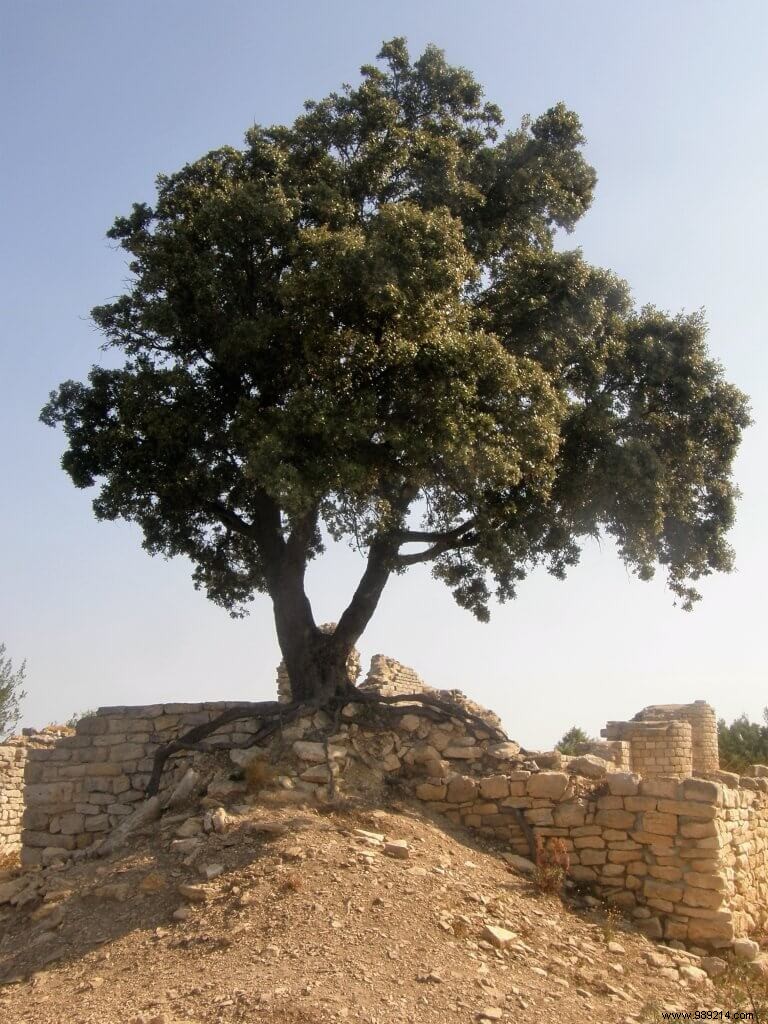
Green oak. Choosing a tree means finding the right spot for it—or the right tree for your space.
