While pigeons may appear charming, they often become invasive pests causing significant damage. Their droppings corrode roofs, spread diseases, and harm plants. Discover effective, expert-recommended strategies to keep them away for good.
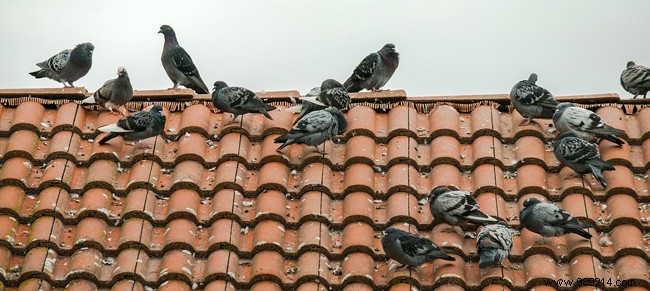
Pigeons favor landing on window edges, railings, cornices, terraces, gutters, balconies, or even statues. Prevent this degradation with anti-pigeon spikes, typically stainless steel prongs installed on these surfaces. Easy to set up and widely available at garden centers or hardware stores.
A popular alternative is taut stainless steel wires stretched between springs on building edges. Pigeons struggle to balance on them, leading to discomfort and eventual abandonment.
For tougher cases, install pigeon nets as a reliable barrier to block access to balconies or attics, though they may impact aesthetics. Wire mesh offers similar protection but is more stable, allowing potential perching—pair it with repellents for best results.
Commercial options include gels, sprays, or granules that pigeons avoid due to their scent. However, reapplication is needed as effects fade quickly. For chemical-free alternatives, consider durable ultrasonic or motion-activated devices proven effective in real-world urban settings.
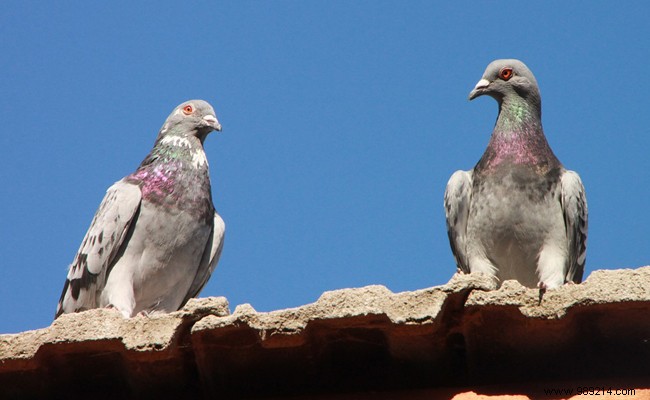
Pigeons fear predators like owls and hawks. Deploy realistic decoys such as owl balloons, hawk figures, or raptor eye inflatables. Rotate their positions regularly to maintain effectiveness and prevent habituation.
Reflecting objects also deter them effectively. A simple DIY solution: glue two old CDs together and suspend them from your balcony or roof. The flashing light mimics danger, prompting pigeons to flee.
