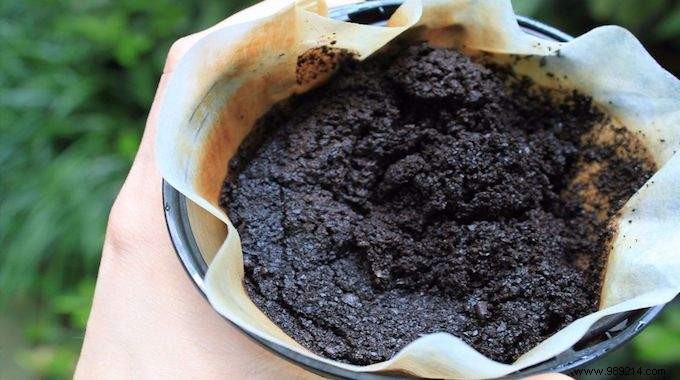
As a longtime coffee enthusiast and experienced gardener, I can't imagine starting my day without that rich aroma and energizing boost. But those spent grounds? They're far too valuable to discard—they're a nutrient powerhouse for your garden, at no extra cost.
Here are 10 practical ways to recycle coffee grounds in your garden. Read on:
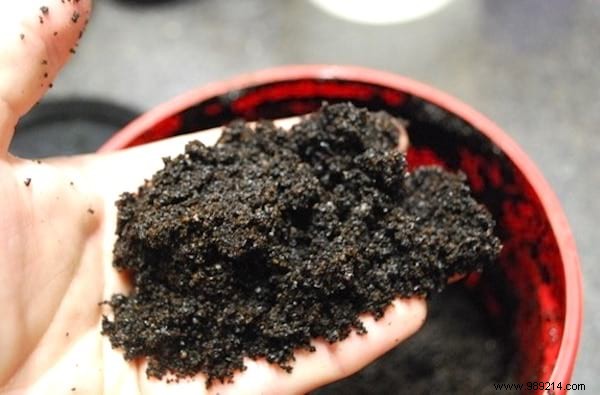
Add coffee grounds directly to your compost pile. They're an excellent nitrogen source, fueling decomposition.
Balance with carbon-rich materials like sawdust, twigs, or dried leaves to maintain equilibrium.
If your compost develops an odor, it signals excess nitrogen—add more carbon and ease up on the grounds.
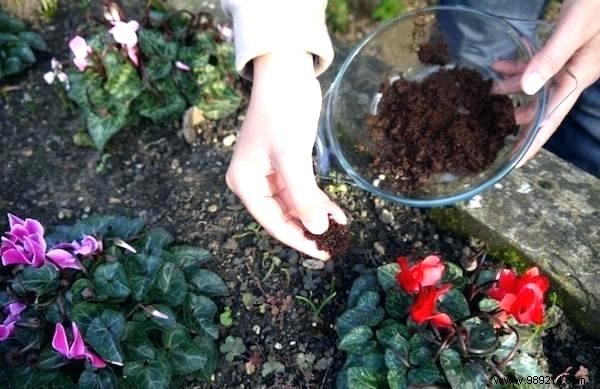
Leaf mulch depletes soil nitrogen as it breaks down, leaving less for plants.
Coffee grounds counteract this by releasing nitrogen quickly, supporting soil organisms that process the mulch efficiently.

Slugs ravaging your veggies? Sprinkle coffee grounds around plants—their abrasive texture deters these slimy pests.
Create a barrier circle and reapply after rain for ongoing protection. A natural fix I've relied on for years.
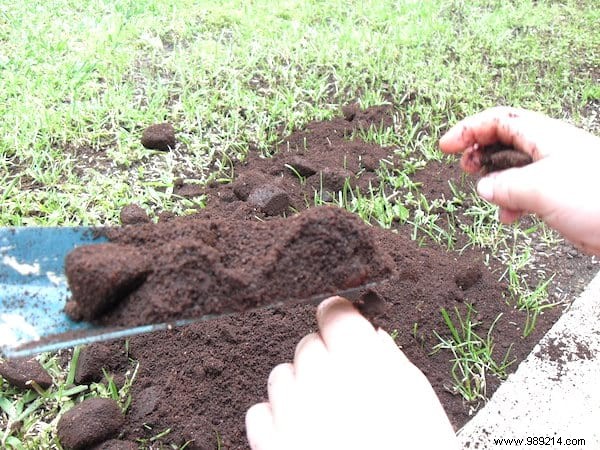
Avoid overusing in already rich, loamy soil due to high nitrogen. But for nutrient-poor or poorly draining earth, they're ideal.
Earthworms thrive on them, tunneling deep to aerate soil, distribute nutrients, and enhance structure.
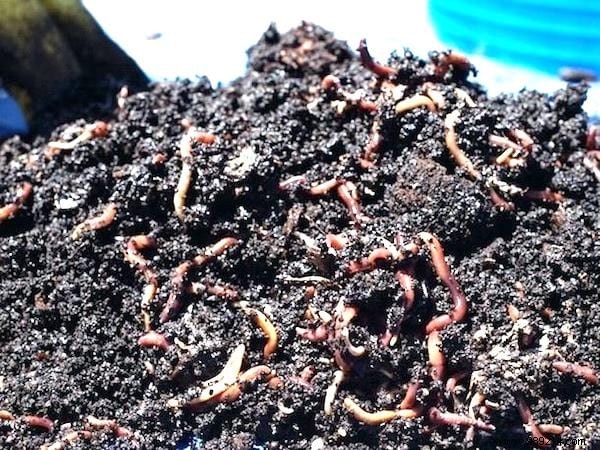
Short on space for traditional composting? Vermicomposting is perfect—and worms adore coffee grounds.
Add moderately to your bin, mixing with varied wastes like peels and scraps for optimal results.
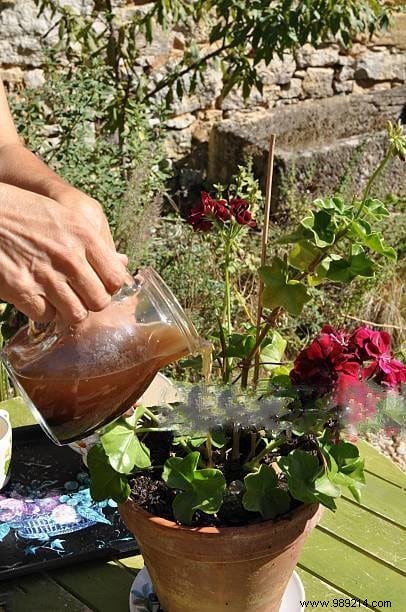
No composter? Brew a fertilizer tea: soak ½ cup grounds in 5 liters of water overnight, strain, and apply occasionally.
Check out the trick here for best results.
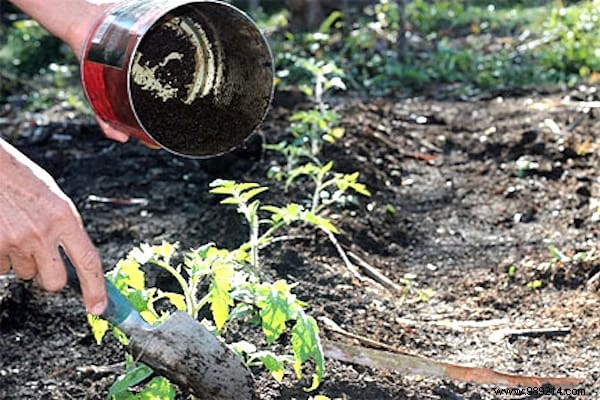
Coffee grounds suppress harmful fungi that rot fruits and wilt leaves on crops like cucumbers, beans, tomatoes, and spinach.
Sprinkle lightly around vulnerable plants for healthier yields.
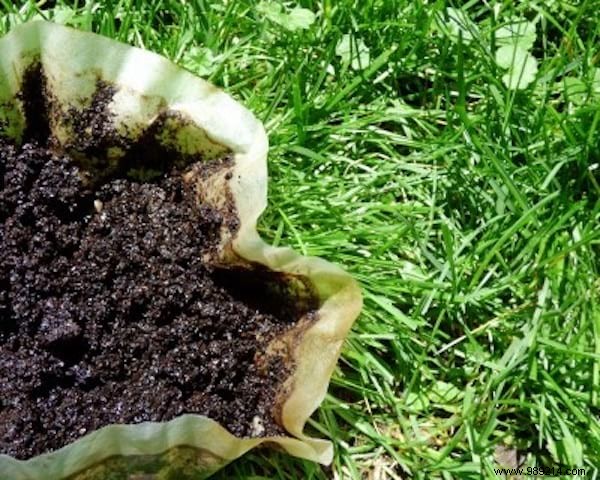
Dream of lush green grass? Mix grounds with horticultural sand and apply to your lawn.
They aerate soil while fertilizing naturally—a superior alternative to chemicals.
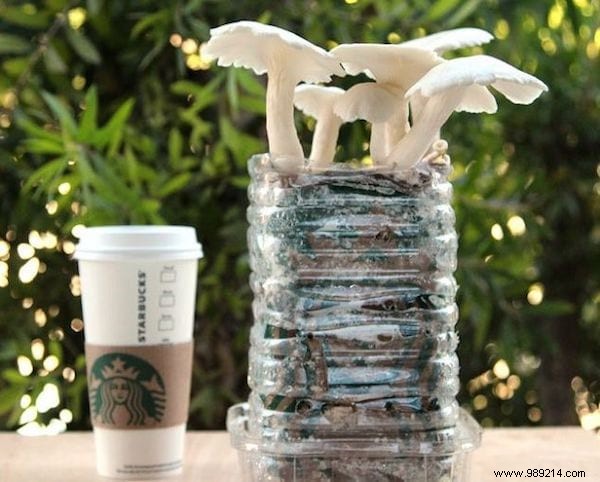
Grow mushrooms on coffee grounds for true zero-waste magic. Use as substrate at home—discover the video tutorial here.
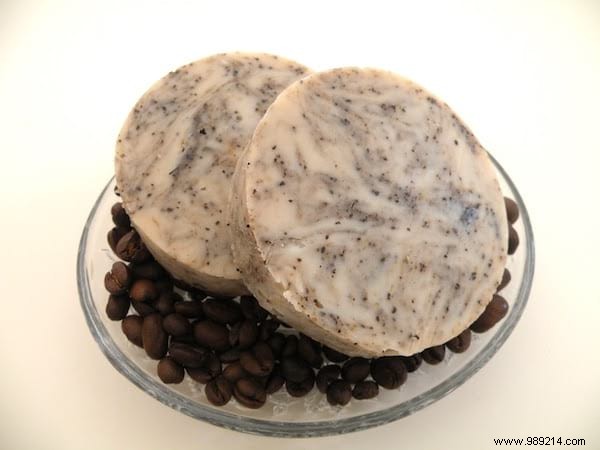
Post-gardening cleanup? Grounds exfoliate dirt effectively. DIY with a video tutorial here or grab a ready-made version.
These 10 uses highlight coffee grounds' garden benefits, from nutrition to pest control.
Start small—some plants prefer less acidity. Every garden varies, so observe and adjust.
