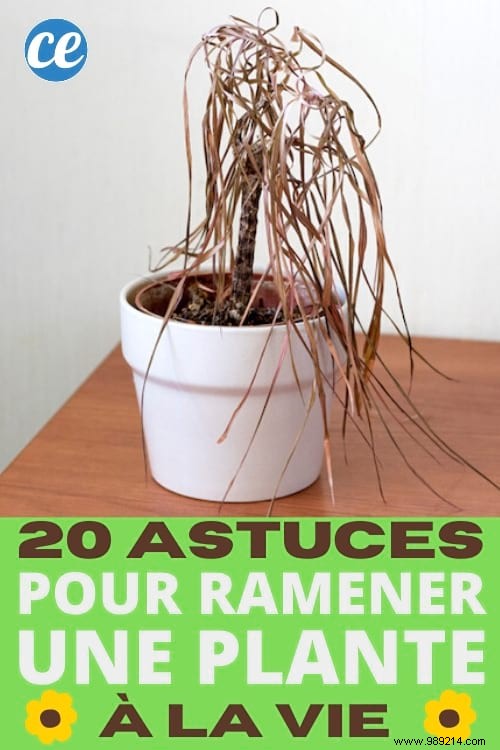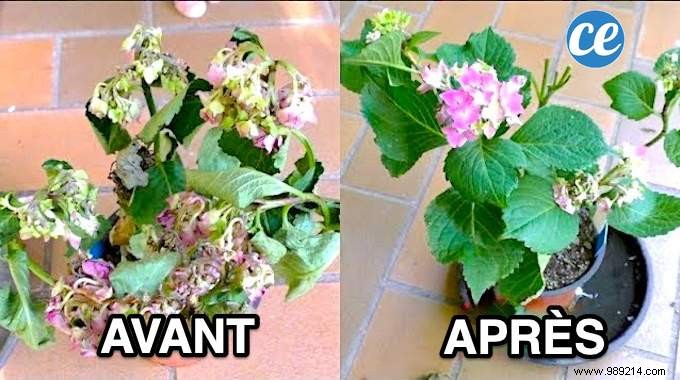
Nothing stings quite like watching a cherished houseplant fade despite your best efforts—or returning from vacation to find it on the brink. The good news? Many seemingly dead plants can bounce back with the right intervention. Drawing from years of hands-on gardening experience, I've successfully revived countless specimens. Here are 20 proven tips to resuscitate a dying plant. Watch how:
 Contents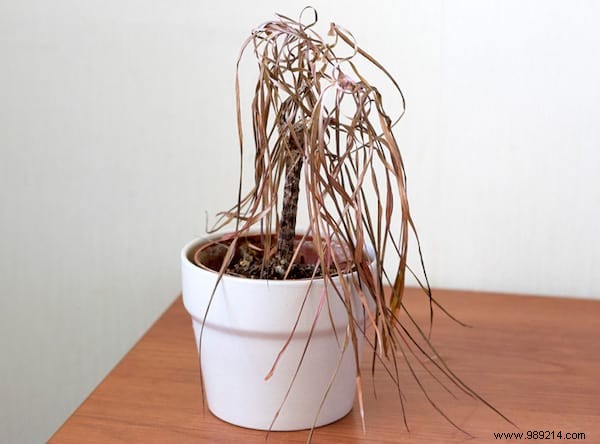
Don't assume dry leaves mean the end. Test the stems: slice a small branch. Green inside? Sap is flowing, and recovery is possible. Brittle or brown? It may be too late. Check roots too—if they're mushy or fully dry, the plant is likely gone.
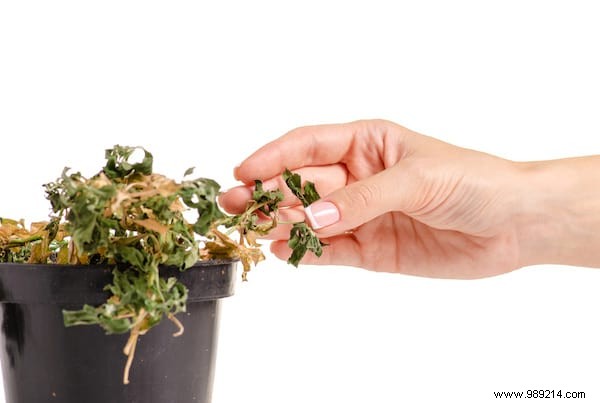
Remove dead leaves and stems promptly with clean pruning shears. This redirects energy to healthy tissue, sparking new growth. Cut gradually until you hit green—then stop.
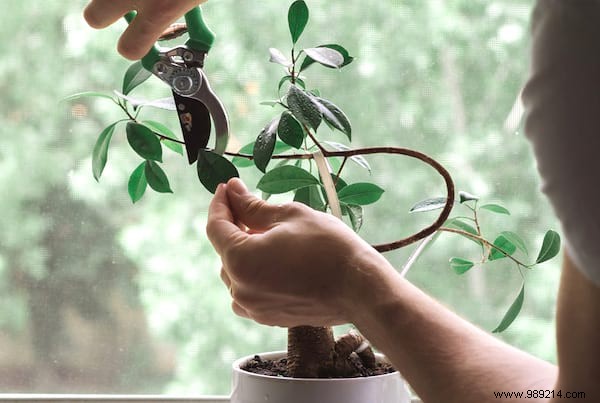
If roots are viable, preserve 5 cm of stems above soil level. This is the regrowth zone.

Pinpoint the cause—drought, overwatering, pests, poor light, or nutrient deficiency? Identifying it is key to effective revival.
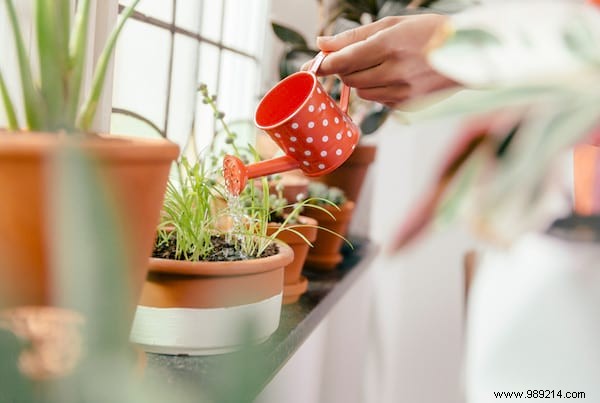
Brown, curled leaf edges or soil pulling from pot edges signal thirst. Water thoroughly but gradually over days to avoid shock. Also check: How Often Should You Water Indoor Plants? The Simple Guide.
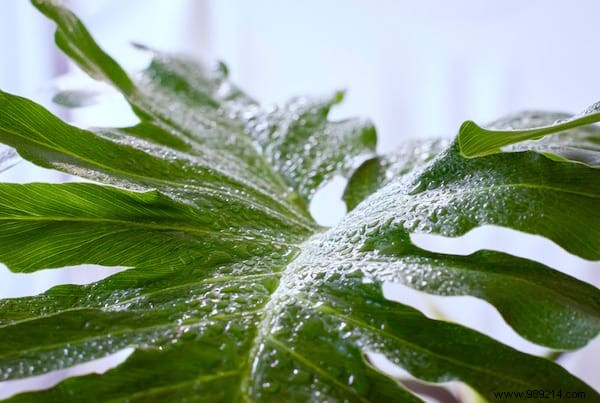
Relocate to a steamy bathroom away from direct sun. Leaves absorb ambient moisture—a lifesaver for forgetful waterers. Also check: 8 Low-Water Plants.
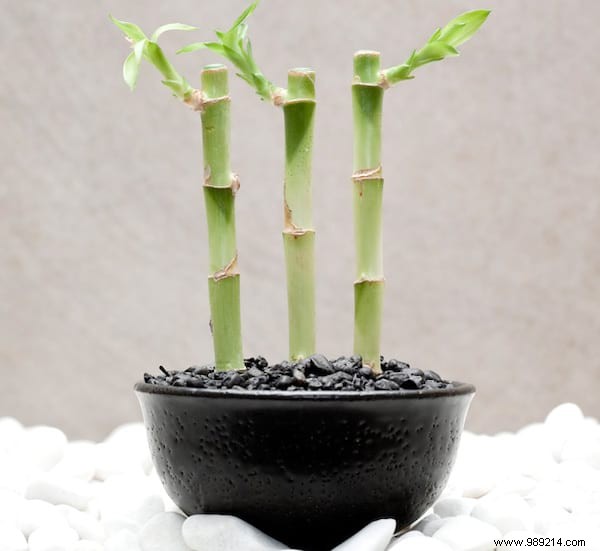
Tap water's chlorine, fluoride, and lime harm sensitive plants like bamboo. Opt for rainwater or filtered alternatives. Also check: Collect Rainwater for Free.
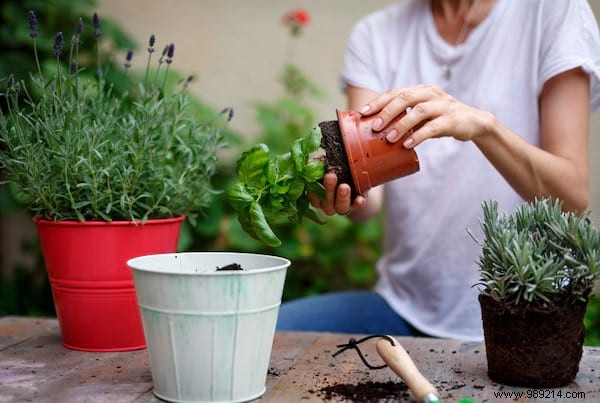
Yellow leaves, wilting, and soggy soil? Drain excess, then repot in dry soil to halt root rot.
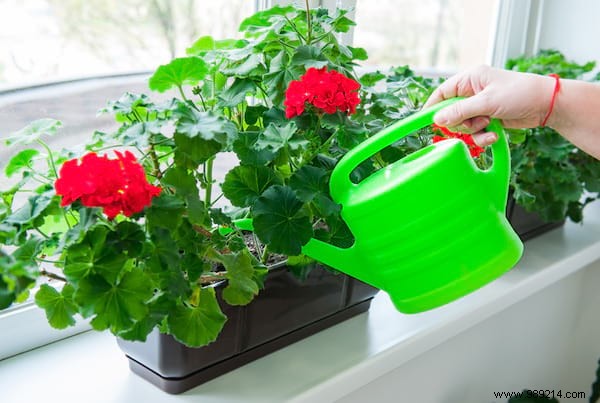
Weak roots burn easily from fertilizer. Wait until recovery before feeding.
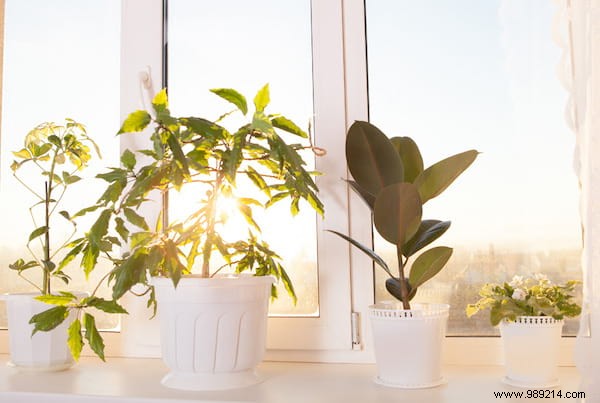
Pale leaves and weak stems? Light-starved. Move to bright indirect or full sun if tolerated—growth surges quickly.

Clean windows and add reflective white gravel to soil for better light bounce.

Dry leaves with spots? Too much sun. Prune damage, relocate to shade, and water. Use covers if immovable.
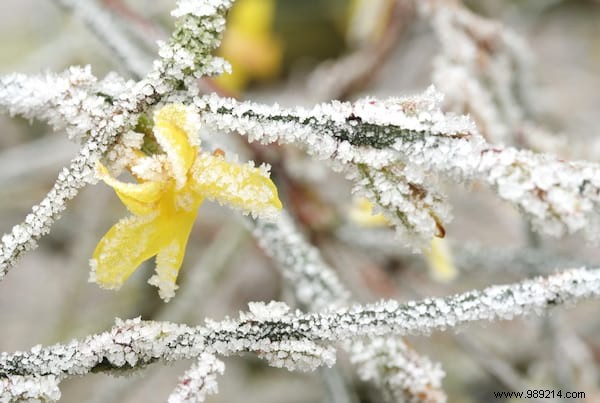
Wilting from cold? Trim burned parts and cover with fleece or newspaper until warm.
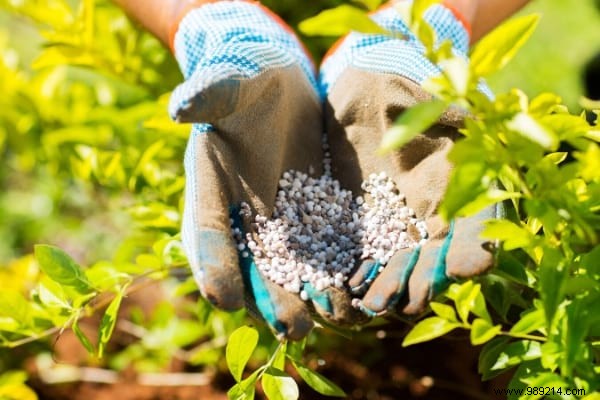
Discolored, stunted growth? Repot in nutrient-rich soil and use natural fertilizers regularly.
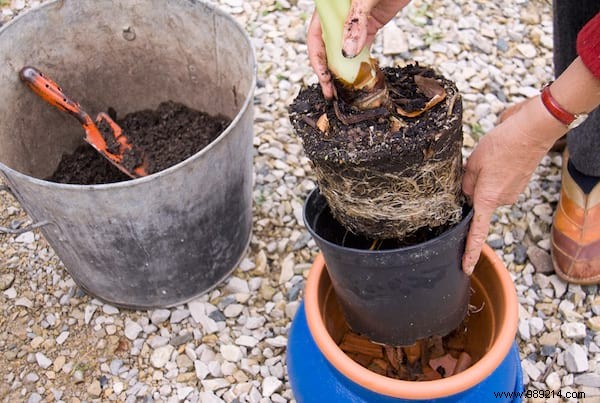
Root-bound plants falter. Repot larger with well-draining soil for expansion.
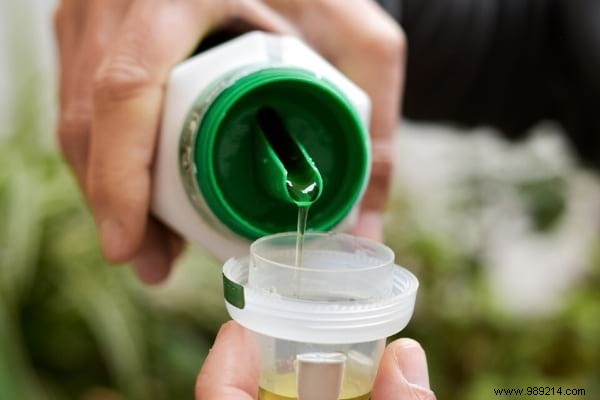
Dilute properly to avoid burns. Also check: 7 Best DIY Garden Fertilizers.
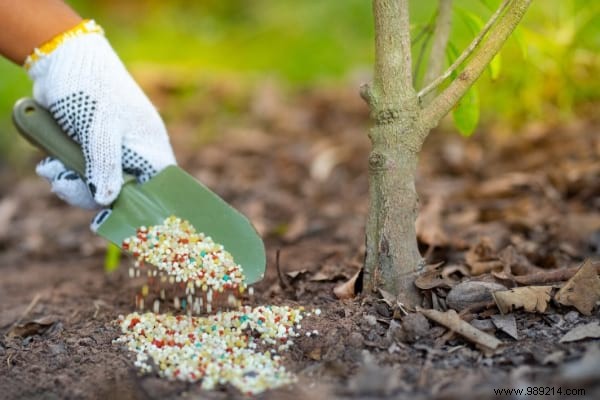
Fertilize spring through fall during growth; skip winter rest periods.
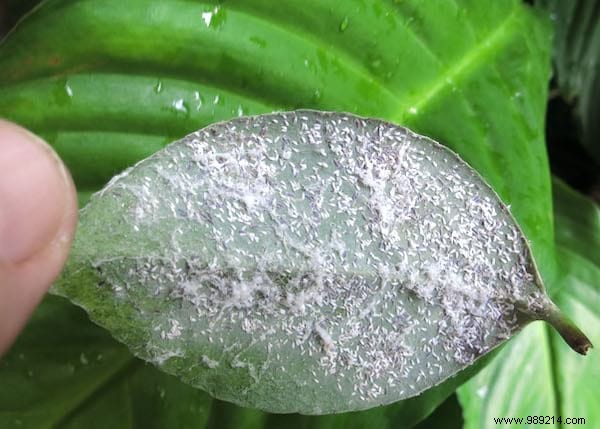
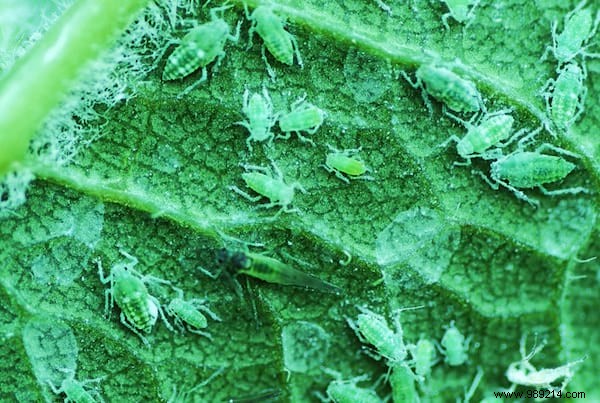
Inspect for aphids, webs, or spots. Black soap spray works wonders on most invaders.
Keep pet food, scraps away—pests follow food trails.
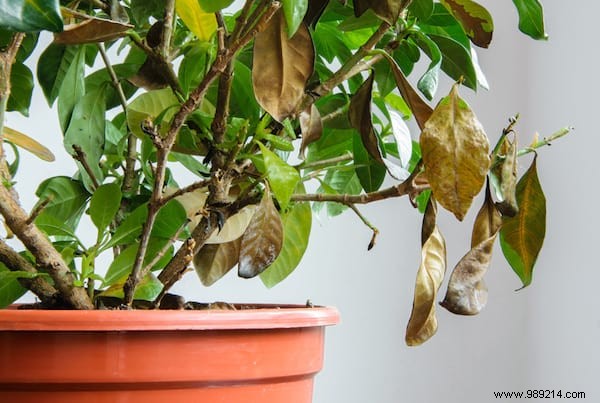
Isolate to curb spread; remove and destroy diseased leaves.