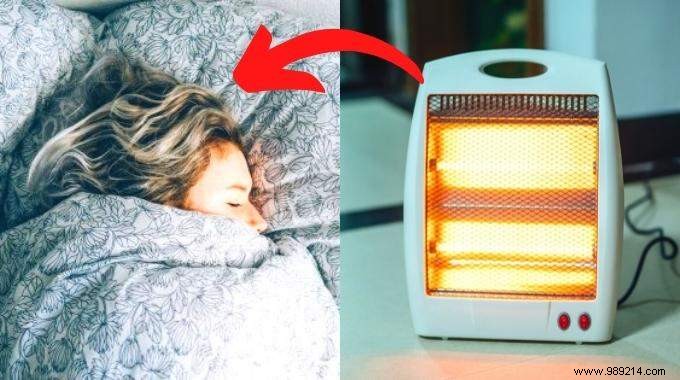
With energy prices soaring, deciding whether to leave the heating on overnight or turn it off can significantly impact your bills. Let's explore the most effective approach based on your home's insulation and thermal inertia.
While turning off the heating at night seems like an easy win, the reality depends on key factors. As someone who's tested these strategies in real homes, including my own, I'll break it down for you.
Discover whether you should leave the heating on all night. Watch the video below:
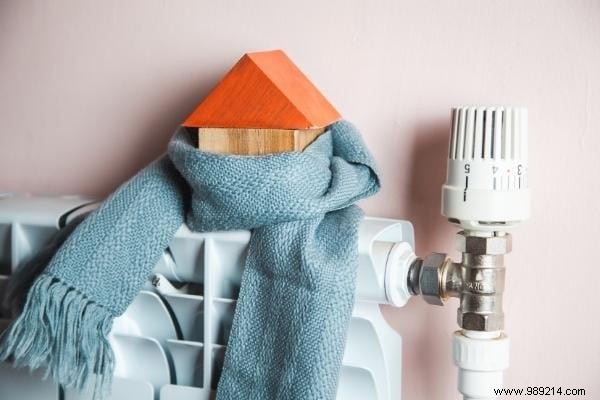
If your home is well-insulated with strong thermal inertia, you can confidently turn off the heating overnight.
But how do you know? Start with a professional heat balance assessment for certainty. Key indicators include attic insulation, double-glazed windows, or exterior wall insulation. If you've done at least one, your home is on the right track; all three mean excellent insulation.
Thermal inertia refers to your home's ability to retain heat or coolness despite external temperatures. High inertia means minimal heat loss even when it's freezing outside.
Well-insulated homes with good inertia maintain comfortable temperatures without constant heating. Professionals estimate savings of up to 20% on your annual bill.
Bonus: Cooler bedrooms (16-19°C) improve sleep quality, reducing congestion and morning headaches. For babies, 18°C is ideal—up to 20°C max.
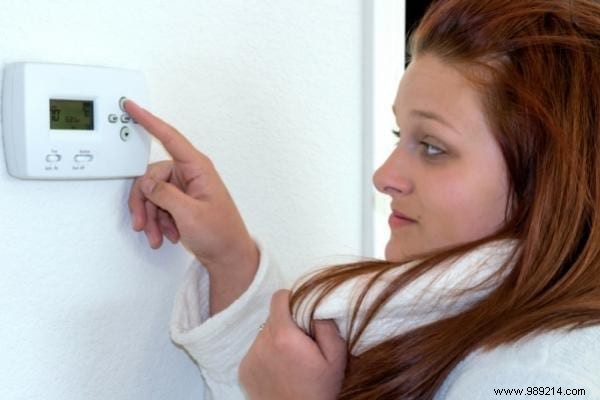
For poorly insulated homes with low inertia, lower the thermostat instead of switching off completely.
Why? Rooms cool quickly, forcing heaters—especially electric ones—to work overtime to recover. This spikes energy use and costs.
In my moderately insulated home, I lower the temperature at night and program the thermostat to ramp up 2 hours before waking. This matches the time walls need to reheat, ensuring comfort without excess consumption. My bill dropped by €240 year-over-year.
Adjust timing based on your home's specifics for optimal results.
Whether turning off or lowering, these proven steps amplify savings:
Close shutters and curtains to trap heat. Avoid open doors/windows— even a slightly ajar window causes major losses. Turn off heating during ventilation.
Maintain your system annually (mandatory for gas boilers) to ensure peak efficiency.
For insulation upgrades like attics or double glazing, consider simple DIY tricks if major work isn't feasible. Check our guide for budget-friendly insulation hacks.
