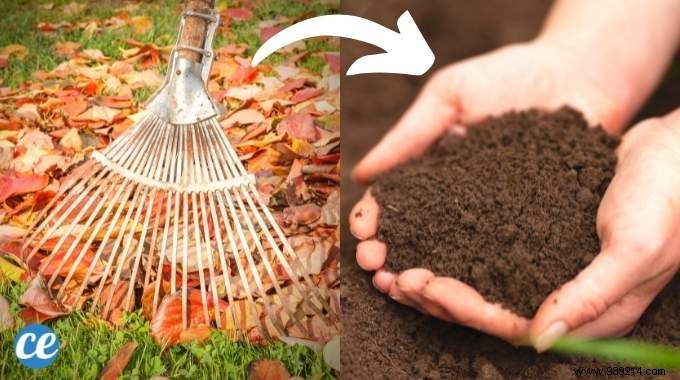
As an avid gardener with years of experience, I've perfected a simple way to transform fallen leaves into rich, 100% natural fertilizer—completely free. This homemade compost works wonders for vegetable gardens and indoor plants alike.
Commercial fertilizers often contain harsh chemicals I won't use on edibles or ornamentals. Instead, everything you need is right in your yard.
A master gardener friend shared this technique with me over a decade ago. I've relied on it ever since, yielding impressive results season after season.
Here's my proven method to convert autumn leaves into premium organic fertilizer:

1. Gather fallen leaves using a rake.
2. Pile them in a shady, moist spot in your garden.
3. Allow them to decompose for at least 6 months.
4. Turn the pile monthly to aerate and accelerate breakdown.
5. After 8-12 months, apply the leaf debris to your plants.
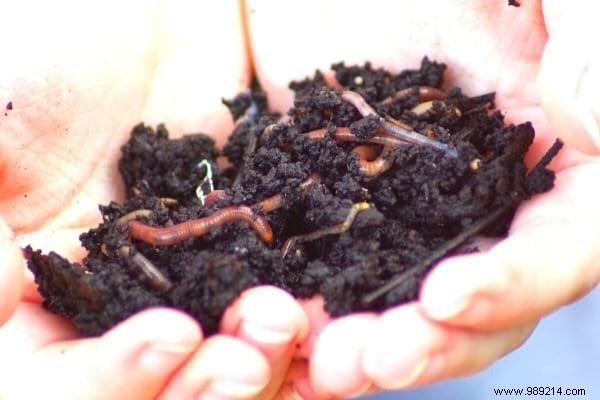
And there you have it—your organic leaf fertilizer is ready! Simple, natural, and highly effective.
Don't toss those leaves; they're garden gold. Best of all, it's entirely free.
The longer you wait, the finer the texture. About a year makes it spreadable; 20-24 months yields ultra-rich seedling mix comparable to pricey store-bought soil.
These fine particles are nutrient-dense and readily absorbed by soil.
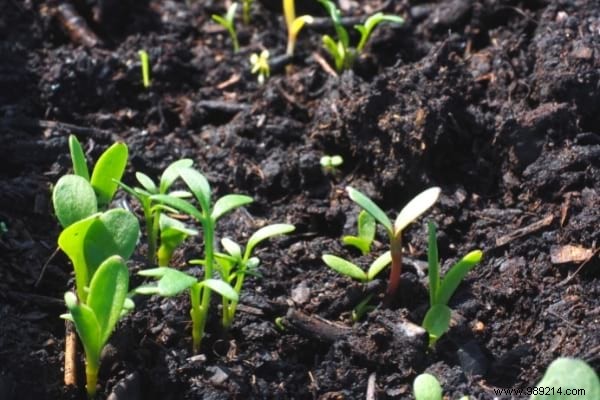
Fallen leaves are packed with proteins, carbs, carbon, lignin, and essential nutrients—ideal for permaculture enthusiasts fertilizing crops.
Mix into compost or mulch around tree bases for the easiest, most economical soil enrichment.

- Inspect leaves for diseases like powdery mildew or scab; pathogens can survive composting and harm crops.
- Skip toxic leaves from walnut, bay, or privet trees.
- Note: Plane tree leaves decompose slowest.
- Speed it up: Shred with a mower, as my grandfather did—saves 2-3 months.
- Use a wooden or plastic bin to contain and boost decomposition.
Apply during the dormant season (October to March) using two methods:
- Mulching method. Spread a 10 cm layer around trees and shrubs. It releases nutrients slowly while insulating roots from winter cold.
- Planting method. Add 2 handfuls to transplant holes in spring for tomatoes, strawberries, eggplants, orchids, roses, or citrus.
Avoid over-fertilizing new store-bought plants, as they're often pre-loaded.
