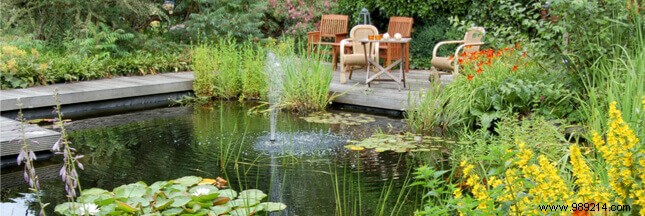
A fish pond brings vibrant life to your garden, attracting frogs, birds, and aquatic plants that enhance your outdoor space and support local biodiversity. Drawing from proven landscaping practices, here's how to integrate one seamlessly.
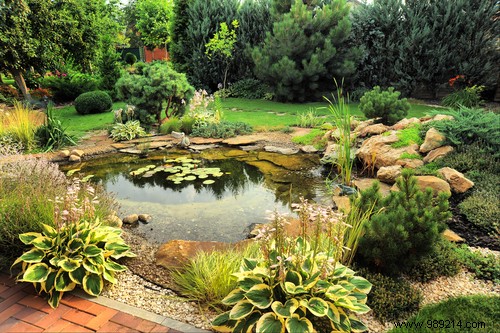
To ensure fish and plants thrive, select a sunny spot that receives ample daylight. Aquatic plants naturally filter light, so maximize exposure for healthy growth.
Position the pond away from tall trees and deciduous plants, whose falling leaves can degrade water quality. Also, avoid root-prone areas to protect the pond's liner from punctures.
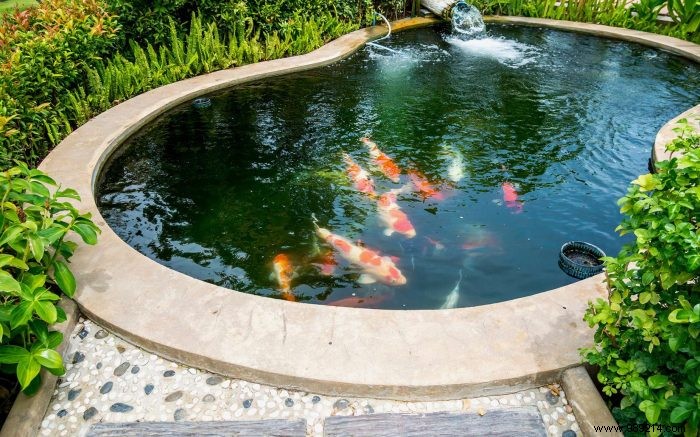
Design the pond with a deeper central zone for fish refuge—many species prefer the bottom, especially in winter. This minimizes temperature swings; aim for at least 80 cm deep, ideally 1.5 m.
Create tiered shelves for plants: 15 cm below the surface for shallow species, 35 cm for mid-level, a transition shelf, and 60 cm for lotuses and water lilies. Each 30 cm wide shelf ensures stable plant basket placement.

Herons are natural predators of pond life. Deter them with a central heron statue—they avoid competition—or fine-mesh heron netting from garden stores. Sound scarers work too, if placed away from the house.

A balanced ecosystem lets plants and fish filter the water naturally. Add a bottom layer of pozzolan for extra filtration if desired, though it's optional. Use quality anti-evaporation devices from garden centers to maintain levels.
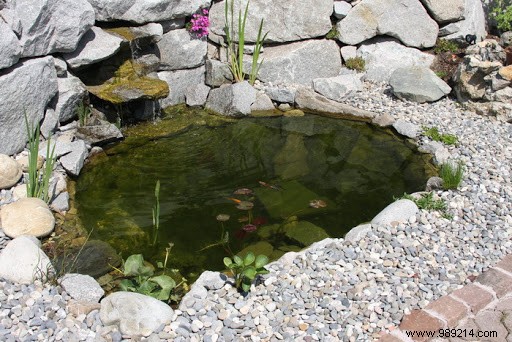
For natural builds, use 40 cm compacted clay on impermeable soil, properly compacted. Pools under 3,000 liters suit durable preformed fiberglass for quick setup.
Medium ponds benefit from thicker PVC liners for cost-effective strength. Large ponds call for elastic, long-lasting EPDM liners, despite the higher price.
