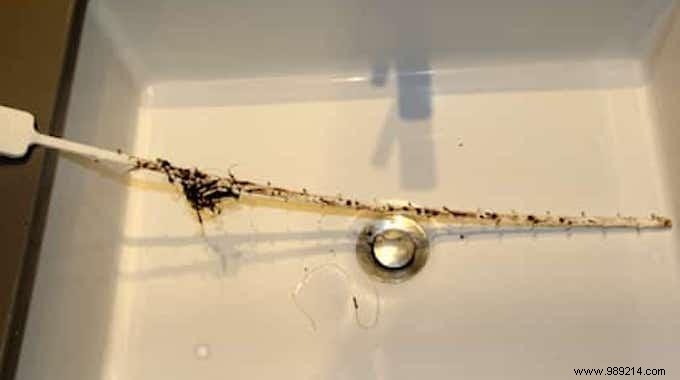
Commercial drain cleaners rank among the most hazardous household products. Their active ingredients—bleach, lye, and caustic potash—carry clear poison warnings on the label.
What goes down the drain or lingers in the air you breathe? These chemical unblockers are popular for dissolving hair clogs in pipes, but they're tough on your health and the environment.

Hair buildup often blocks shower and sink drains. As a home maintenance expert with years of hands-on experience, I've tested effective, non-toxic alternatives that save money and protect your pipes and planet.
Here are the 4 most economical methods to unclog drains without harsh chemicals. Watch these proven tricks:
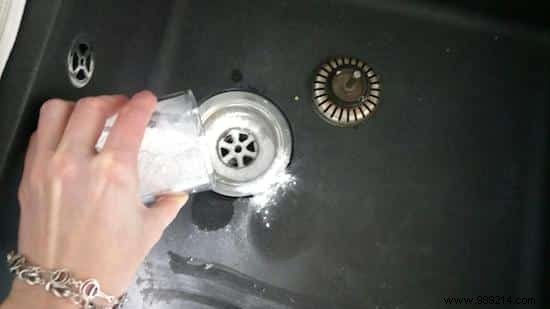
This simple combo is one of the most reliable I've used. Pour 1 cup of baking soda down the drain, then follow with white vinegar.
The fizzing carbon dioxide bubbles scrub pipe walls, while expanding air dislodges clogs. See the method in action here.
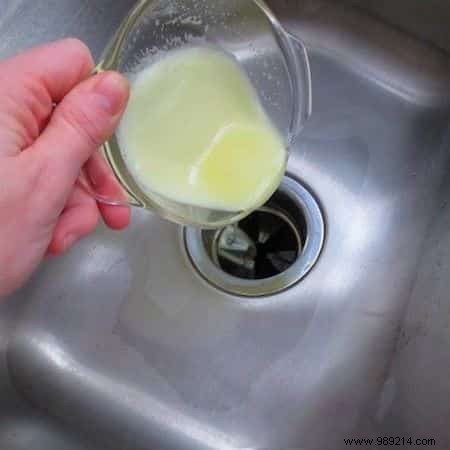
Yogurt's probiotics aid digestion—surprisingly, they work wonders on pipes too. Beneficial bacteria and enzymes dissolve grease and organic buildup.
They won't tackle hair, but they're ideal for routine maintenance of drains and septic systems. Try this natural cleaner here.

For stubborn blockages, a compressed air gun delivers powerful results. Place it over the drain and blast air into the pipe.
The high-pressure surge propels water to blast away clogs effectively.
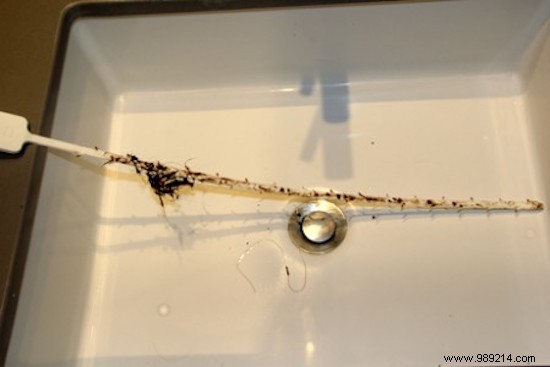
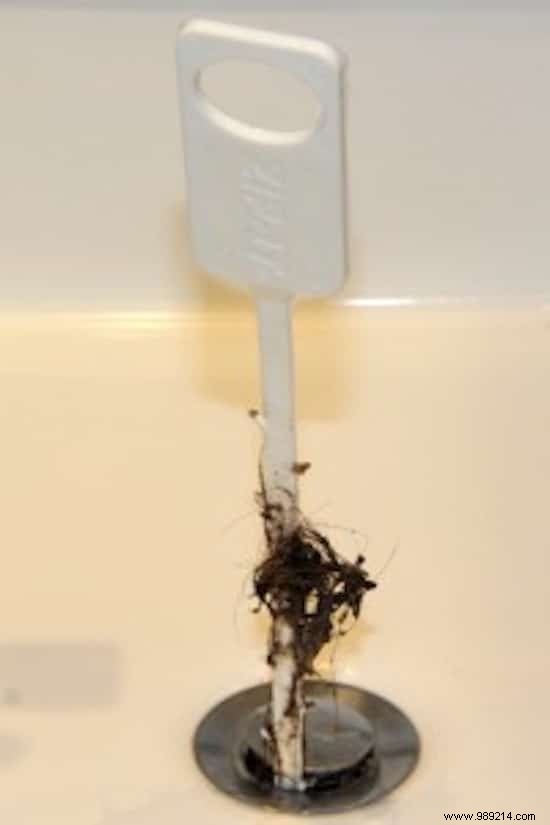
For hair clogs, this 45 cm flexible plastic snake with hooked teeth is a game-changer—affordable at just €14.99.
In my bathroom sink, it hooked out a shocking amount of hair on the first try. Watch it in action:
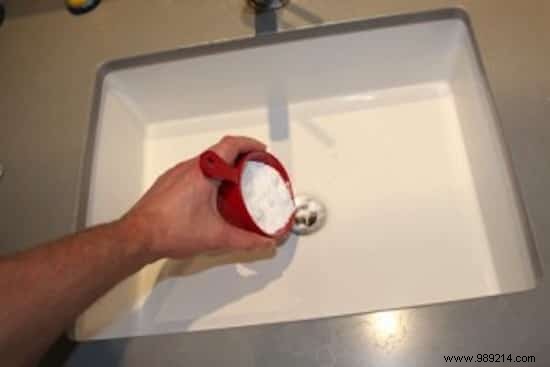
To ensure thorough cleaning, I followed with the baking soda and vinegar mix: ½ cup baking soda per drain, then ½ cup white vinegar, plug and let react for 30 minutes. Finish by flushing with boiling water.

These 4 economical methods unclog pipes reliably without toxins. Simple, effective, and eco-friendly—perfect for avoiding plumber bills.
Prevent clogs with regular maintenance: Flush drains weekly with boiling water or 1 liter of white vinegar overnight.
Better yet, stop buildup at the source—use a strainer to catch hair and debris, clean brushes away from sinks, and line counters with newspaper for shaving.
