
Discover the hidden potential of clementine peels – those aromatic skins we typically discard. As a longtime advocate for zero-waste living with years of hands-on experimentation, I've uncovered practical ways to repurpose them, inspired by tips from a Spanish friend who's mastered citrus upcycling.
These simple techniques harness their natural oils for cleaning, cooking, and more, turning waste into wonder.
Here are 13 proven ways to reuse clementine peels and eliminate waste forever.
 Contents
Peeling a clementine unleashes a burst of sunny citrus aroma – ideal for brightening winter days.
Collect peels and arrange them in a bowl with cinnamon sticks, apple peels, star anise, vanilla pods, rose petals, or lemon zest.
Your space will fill with a natural, inviting scent – all for free.

Baking fish or strong-smelling foods can leave lingering odors.
Turn off the oven, place peels on a baking sheet, close the door, and let residual heat work its magic. The peels release fragrant oils, neutralizing smells naturally.
Simple, effective, and chemical-free.
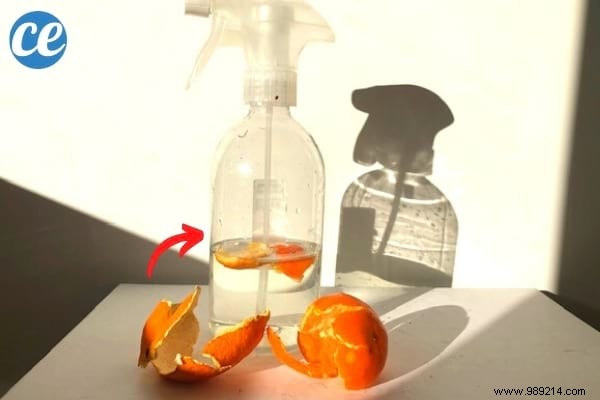
I've ditched commercial cleaners due to harsh chemicals and allergies, relying instead on proven DIY recipes for detergents, floor cleaners, and softeners.
The one drawback? Bland scents. Solve it by infusing peels into your mixes for a fresh citrus boost.
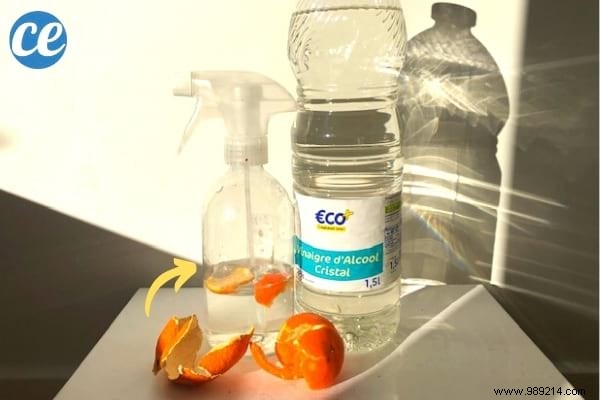
White vinegar is a powerhouse cleaner, but its smell is off-putting.
Add peels to the bottle and let infuse. The citrus essence transfers, perfuming your cleaners. Customize with lemon, lavender, or lilac peels.

Lemon zest elevates desserts – clementine zest does the same.
Scrape zest from dried peels for cakes, Christmas shortbread, or creams. No need to zest fresh fruit.

Love chocolate-dipped orange peels? Try "clementinettes."
Candied peels coated in chocolate – use organic peels and follow a standard orangette recipe, swapping oranges for clementines.
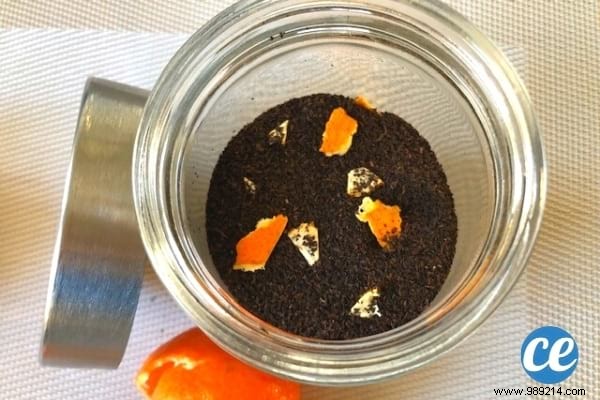
Brew peels in hot water, alone or with thyme, rosemary, lemon, or bergamot.
Or chop peels, add to a jar of loose black tea, seal, and wait a week for homemade flavored tea – cheaper than store-bought.

Upgrade dry potpourri: An English friend shared this "wet" version.
Combine peels and aromatics in a pot of water, simmer gently. The steam diffuses fragrance throughout your home.

Provencal tradition uses lavender sachets; peels work similarly.
Dry peels in drawers or cups – they scent linens and deter moths.

Bitter orange jam fans will adore this sweeter, milder version.
Use your favorite citrus jam recipe, substituting clementine peels. Perfect for toast, cakes, or gingerbread.

Dry peels (oven optional for speed), blend into powder.
Sprinkle on salads, fish, or macarons, cakes, and creams. Freeze excess for year-round use – maximizes savings and minimizes waste.

Plain rum? Not for me. Arranged rum – infused with fruits, spices – changes everything.
Add peels, citrus, vanilla, and cane sugar to rum. Peels work perfectly without using whole fruit.

Cats detest citrus scents.
Place peels around plants, furniture, or patios to deter scratching – a safe, chemical-free alternative.
Despite myths about acidity, small amounts are compost-safe. Chop into strips to speed decomposition.
