As a seasoned gardener with years of experience promoting sustainable practices, I've ditched plastic pots entirely. Here's how to start seedlings using natural lemon peels instead.
Plastic pots release harmful chemicals into the soil and environment, which can harm plants and wildlife. Opt for biodegradable alternatives like lemon peels for a truly eco-friendly approach.
I've successfully used eggshells before, but lemon peels take it to the next level. This zero-waste method is simple, cost-effective, and perfect for getting seeds off to a strong start before transplanting.
Follow these steps to recycle lemon peels for sowing vegetable seeds:
- Halves from used lemons (choose thick-skinned ones for best results)
- Potting soil
- Your favorite seeds
1. Select large lemons.
2. Cut them in half.
3. Squeeze out the juice and scrape away remaining flesh.
4. Fill each half with soil.
5. Plant the seeds.
6. Cover lightly with more soil.
7. Water gently.
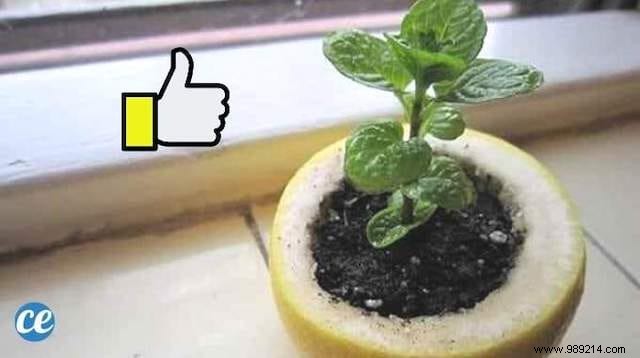
That's it! Your seeds are now in fully recyclable pots. This method is quick, easy, and saves money compared to buying plastic starters.
Sprouts appear in days. Ideal for early sowing when outdoor soil is still too cold.
Place the lemon pots in a tray in a warm spot. Great for courgettes, squash, tomatoes, aubergines, peppers, radishes, parsley, or carrots.
Once seedlings are sturdy, transplant directly into the garden—remove the lemon peel first to avoid soil acidification. Compost the peel afterward.
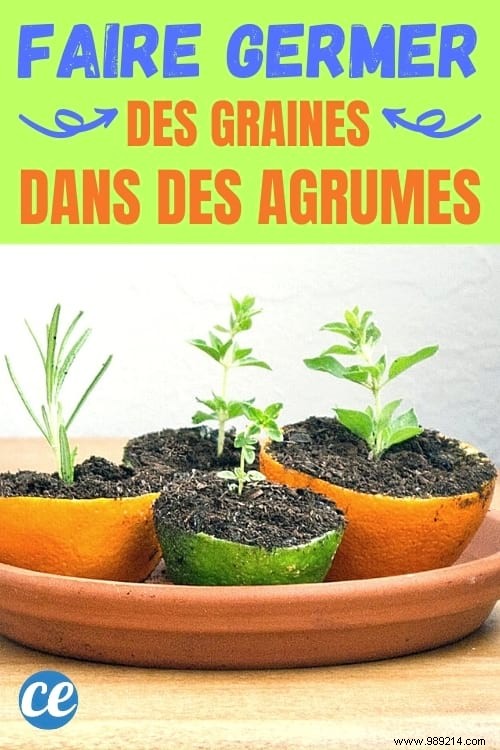
This works with other citrus like oranges or grapefruits, and even melon halves for late-summer lettuce.
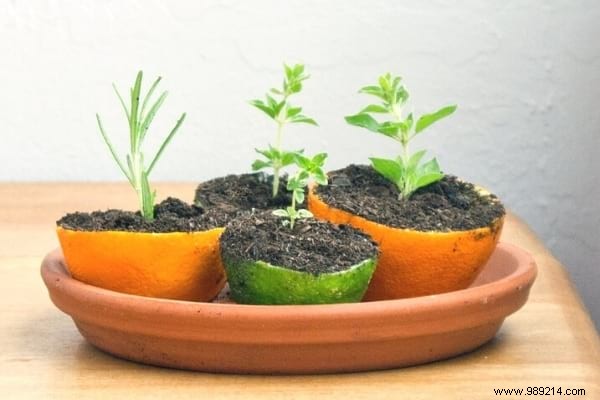
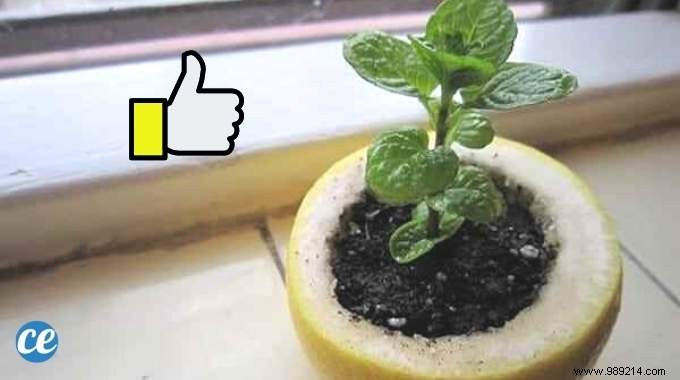
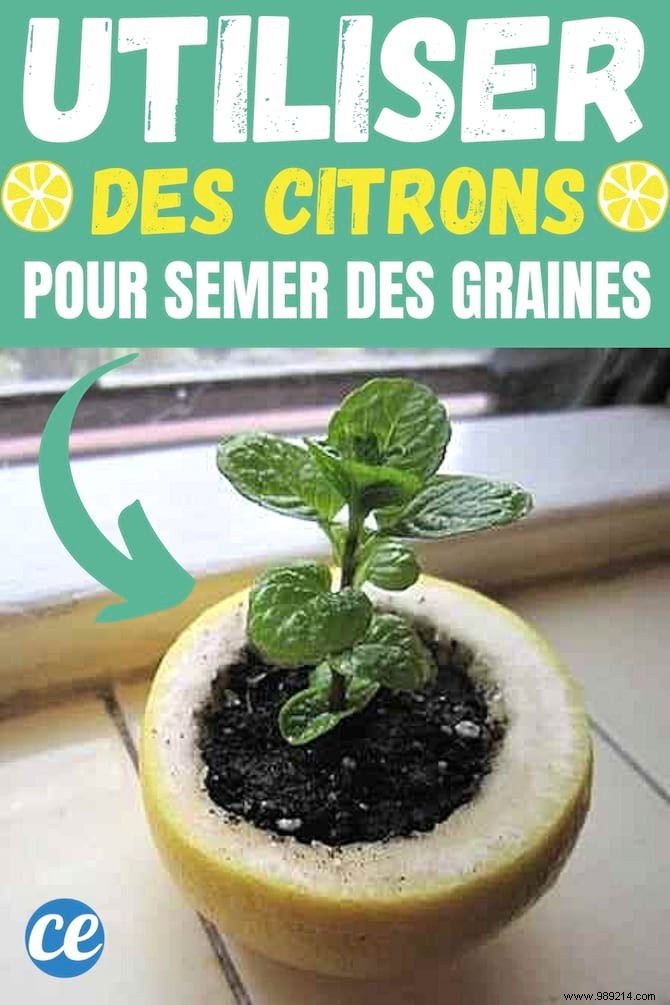
The hollowed lemon peel acts as a sturdy, mini flowerpot that's 100% biodegradable—no plastics involved.
You reduce waste, skip harmful pots, and seedlings benefit from natural nutrients released by the peel as it breaks down.
Pro tip: Thick peels hold up best during germination.