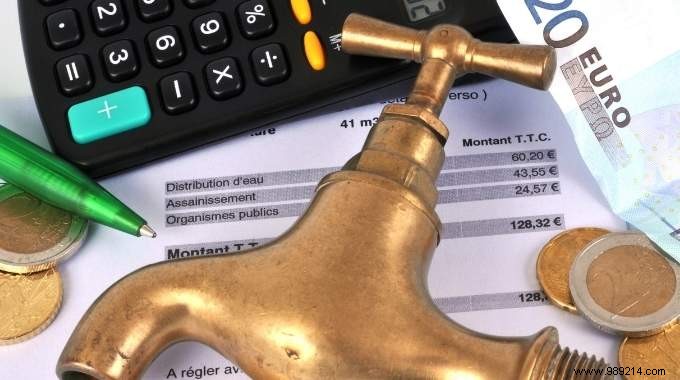
Is your water bill unexpectedly high, even though your usage hasn't changed? Drawing from years of consumer advocacy experience, here's a reliable step-by-step guide to challenge it effectively.
1. First, Check for Leaks
To do this: Shut off all taps but leave the main water supply on. Record your meter reading, wait overnight, and check again. If the number has risen without use, you have a leak and must pay the bill.
2. No Leak Detected?
Proceed to dispute. Send a registered letter (with acknowledgment of receipt) to your water supplier requesting a meter reading verification. Attach copies of prior bills showing the discrepancy. If you were away during the billing period, include proof like travel receipts.
Follow up with a phone call to your supplier for faster resolution, but always rely on the written record as proof.
Your supplier will dispatch a technician to verify the meter's accuracy. If defective, they'll adjust the bill to align with your historical usage.
The CLCV (Association for Consumption, Housing, and Living Environment) provides free assistance. Their local branches negotiate abusive bills for individuals (not businesses). For legal action, they offer guidance on next steps but won't represent you in court.
Winning a dispute means real refunds and corrected billing.
To cut future costs further, switch to a water-efficient showerhead.
Regularly review all utility bills—water, electricity, gas providers sometimes err. Dispute promptly if overcharged. Has this happened to you? What steps did you take for reimbursement? Share below.
