October is prime time for planting garlic in temperate zones.
In southern regions, plant garlic bulbs in autumn. To prevent rot from water stagnation, elevate bulbs on 10 cm mounds (billon) and plant no deeper than 3 cm. Garlic thrives in sandy soils without recent nitrogen fertilization—skip manure at planting time.
Oriental garlic (Allium ampeloprasum, or vine leek) produces larger cloves than standard garlic (Allium sativum). It offers a bolder flavor, ideal for culinary enthusiasts.
Another excellent option is rocambole garlic (Allium sativum var. Ophioscorodon, or snake garlic), with a milder taste and edible bulbils atop its stems—perfect for versatile use.
Whether choosing standard or specialty varieties, garlic enhances meals raw or cooked, including cloves, leaves, and bulbils. It's a natural bactericide and vermifuge, even helping prevent sunstroke. Opt for white-tunic varieties for storage and red-tunic ones for fresh eating.
Plant during the waning moon, keeping garlic away from legumes like peas, broad beans, and beans. Garlic combats root bacteria in legumes, while legumes add unwanted nitrogen. This principle applies to all alliums: onions, shallots, spring onions, chives, leeks, and ornamental garlic.
For deeper insights, read agronomist and food history expert Eric Birlouez's article on garlic, noting its historical reputation: "A medieval proverb claimed: 'When a man in bed […] can only love his wife once, let him eat garlic and leeks […] and the following night he will love her three times.'" ericbirlouez.fr/articles/a1.html
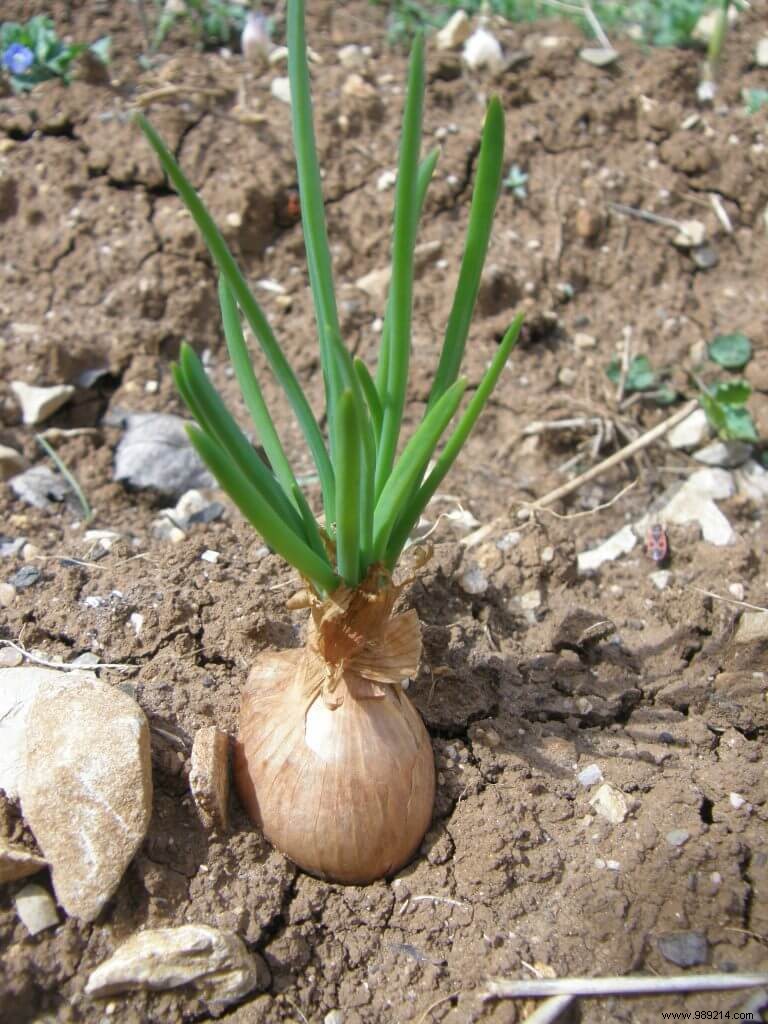
Onion
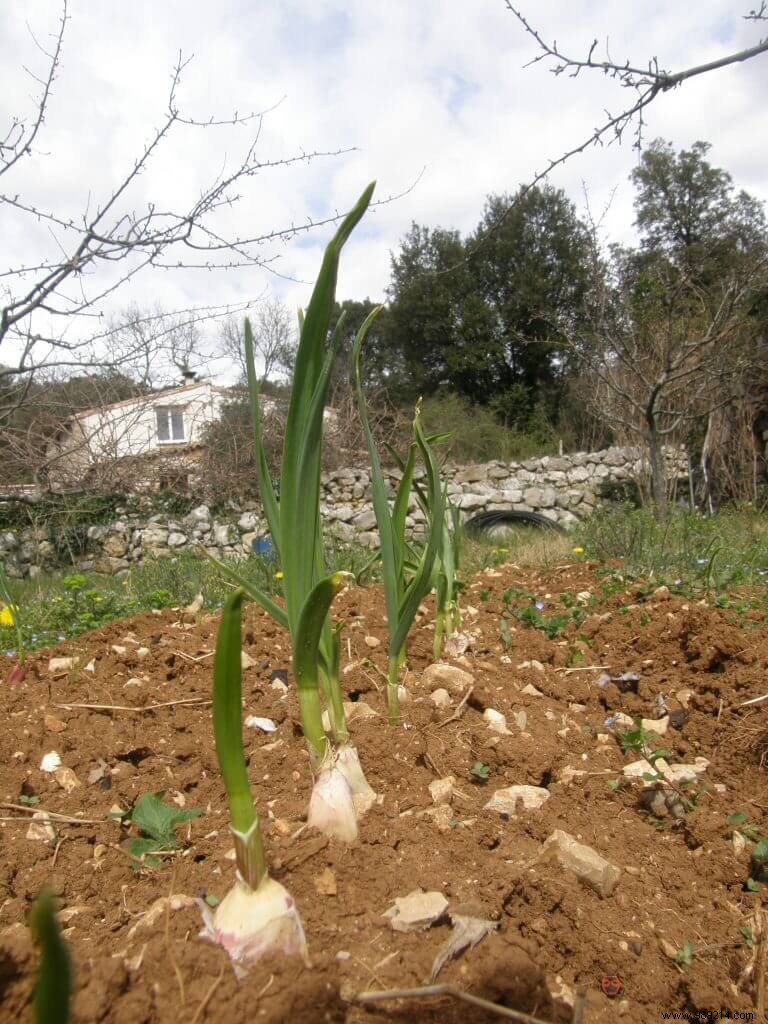
Garlic
