As warmer days arrive, it's prime time to brighten balconies, terraces, and pots with vibrant blooms. A garden center visit inevitably sparks impulse buys—guilty as charged from years of hands-on gardening. With your planter, soil, and flowers in hand, one key ingredient remains: drainage material.
Last season's planter? I've cleaned mine thoroughly with white vinegar to eliminate lingering diseases.
Start with a layer of gravel at the bottom—or improvise like I do by smashing a cracked tile with a hammer for perfect-sized shards. This crucial step keeps soil from clogging drainage holes, allowing excess water to escape and enabling vital gas exchange for root respiration.
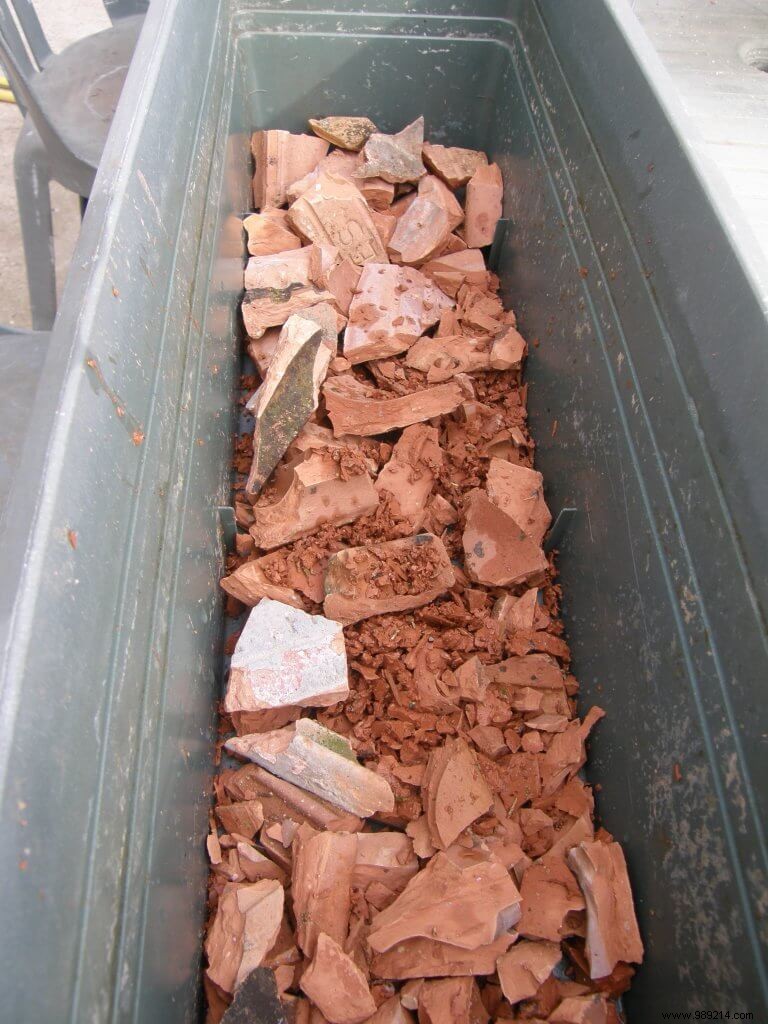
Planting in a planter: proper drainage
Give root balls a quick dip in a basin of water. Planting dry makes post-planting hydration tricky. Just minutes ensure water reaches the core.
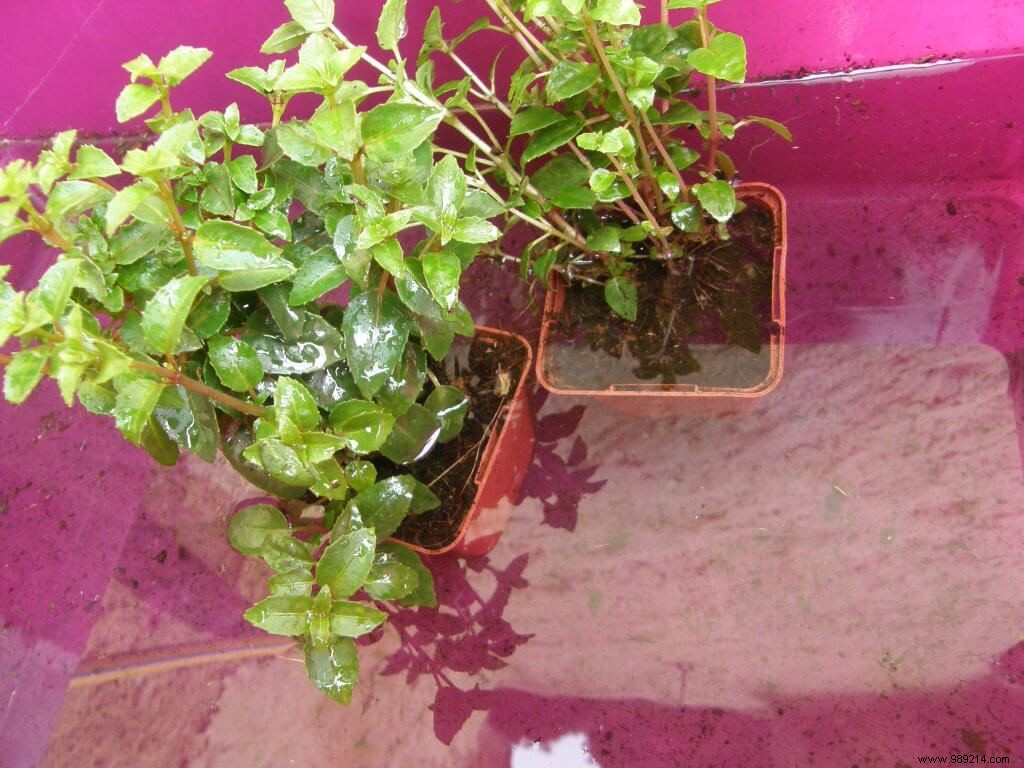
Soaking for even moisture
Use premium potting soil formulated for flowering plants. For precise depth: Lay a ruler across the planter rim. Position root balls so their tops sit 2 cm below the ruler. Final soil fill adds 1 cm over roots, leaving 1 cm headspace for watering—no need for millimeter perfection.
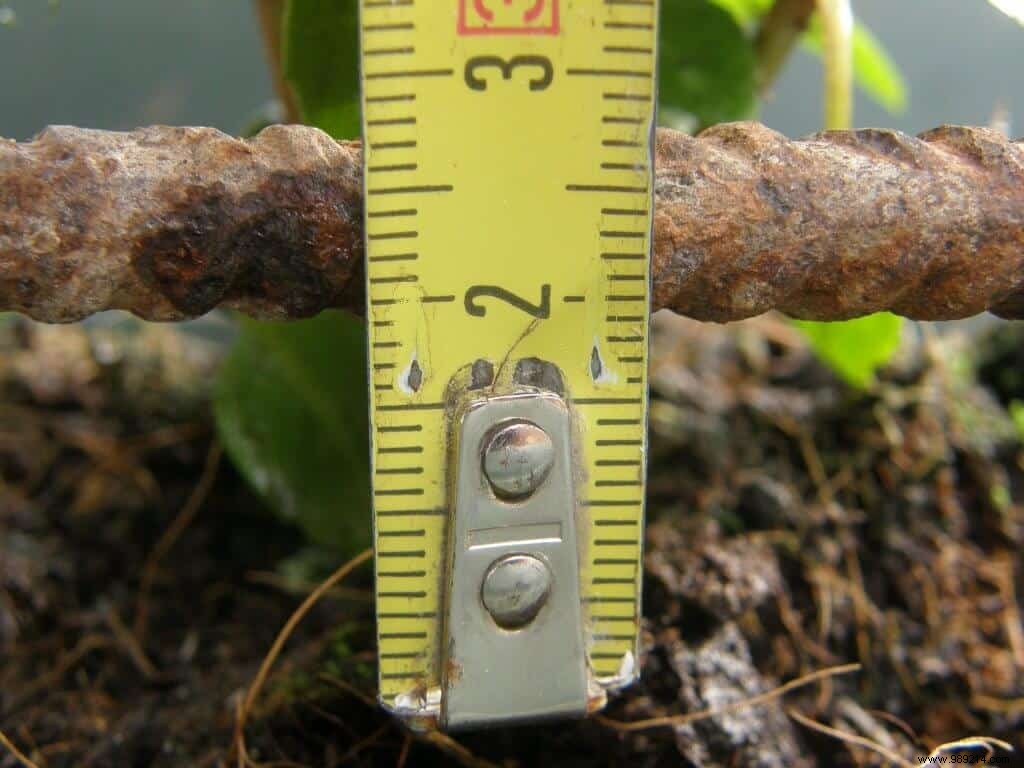
Root ball positioned 2 cm below planter rim
This simple fingertip technique promotes fuller growth: 'Cut the head, gain arms!' On fuchsias, for example, snip the top of stems to encourage branching—turning one shoot into two or four, and ultimately more flowers.
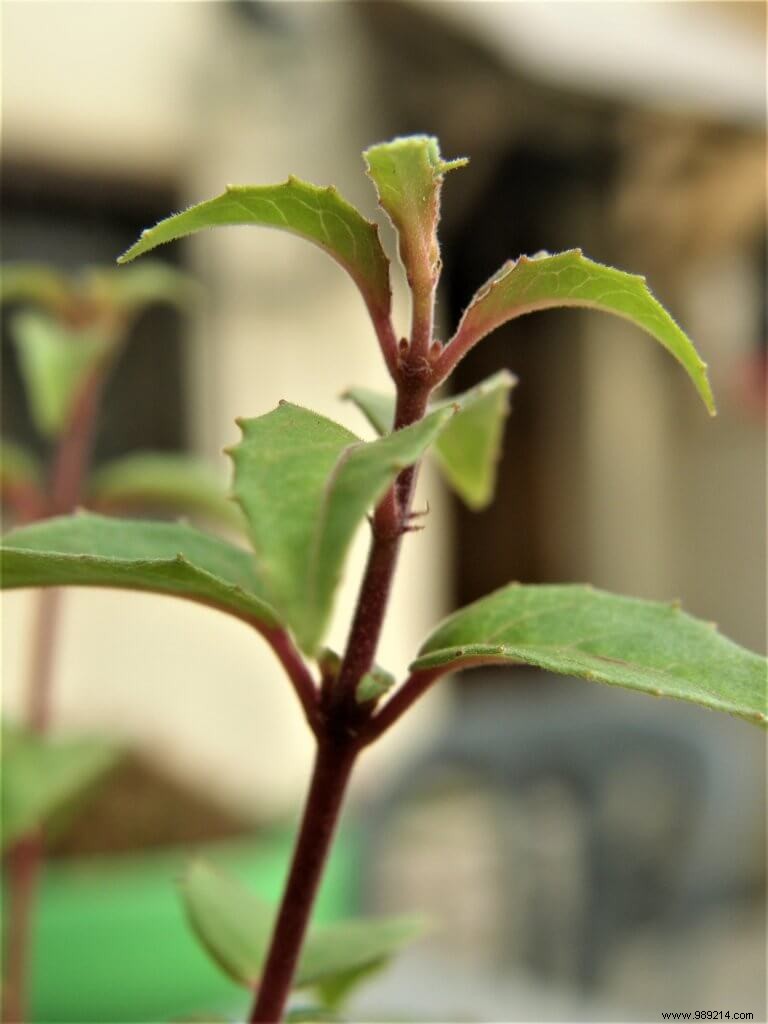
Fuchsia before pinching
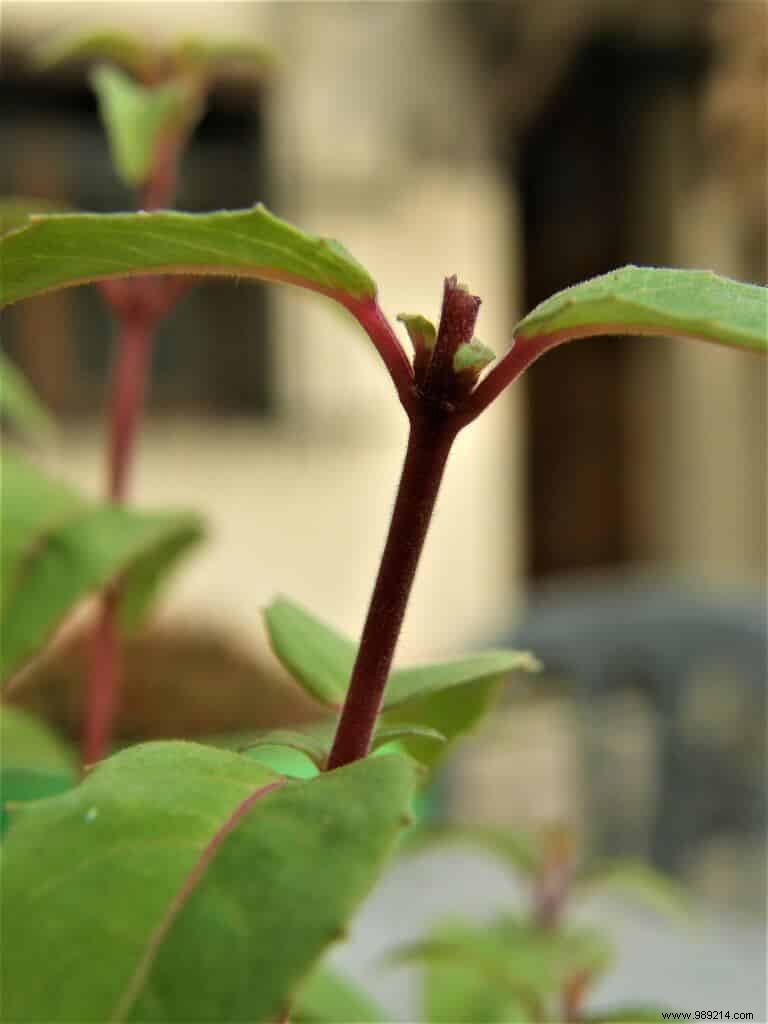
Fuchsia after pinching
Position the planter, sprinkle organic flower fertilizer on top, and lightly rake it in. Water generously to settle the soil—top up with compost if levels drop, ensuring roots stay covered. Stay vigilant against cats, slugs, and aphids, but rest assured: success awaits!
Read on to learn more about which potting soil to use
And if you want to invest in a great planter…
