Creating a perennial flower bed demands careful, sequential steps. As an experienced gardener, here's how I transformed a rocky patch into a lush haven in my own garden.
Soil preparation is the least glamorous but most crucial step. I began by raking away gravel and removing large surface stones. What seemed like 'fossilized mole eggs' revealed a nest of rocks in compacted soil, calling for the pickaxe.
Using a pickaxe requires precision, like a surgeon's scalpel—only heavier. I navigated around pipes, spared tree roots, protected my tools and back. Strikes must be clean and deliberate, though tougher spots send vibrations through wrists and shoulders.
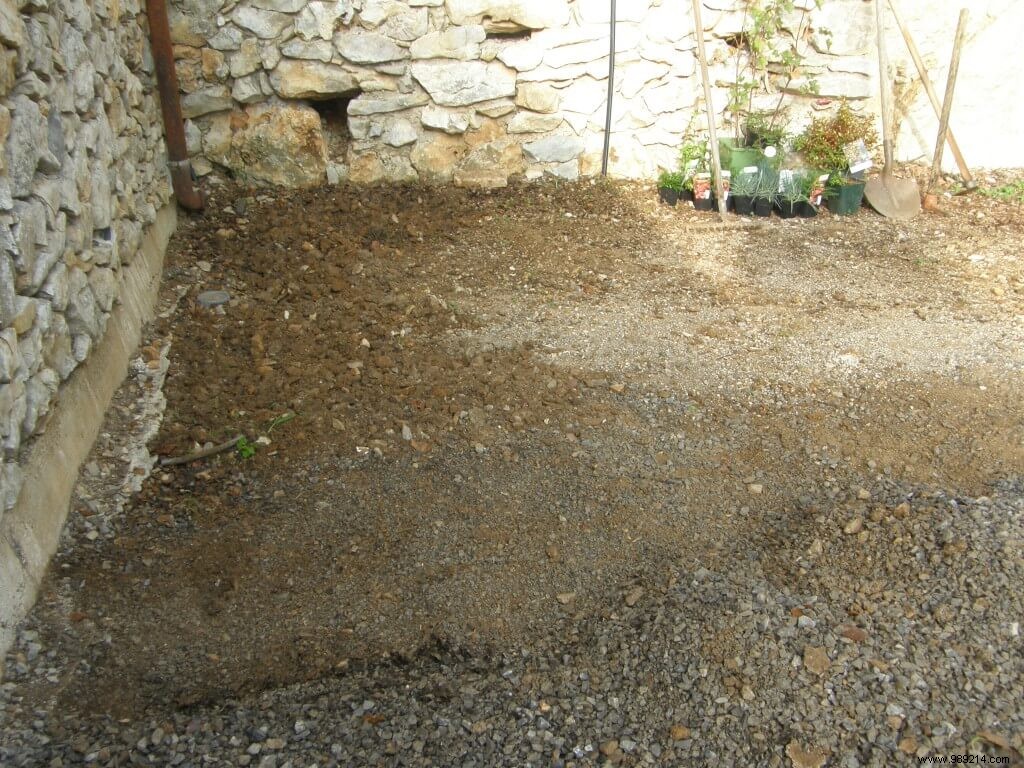
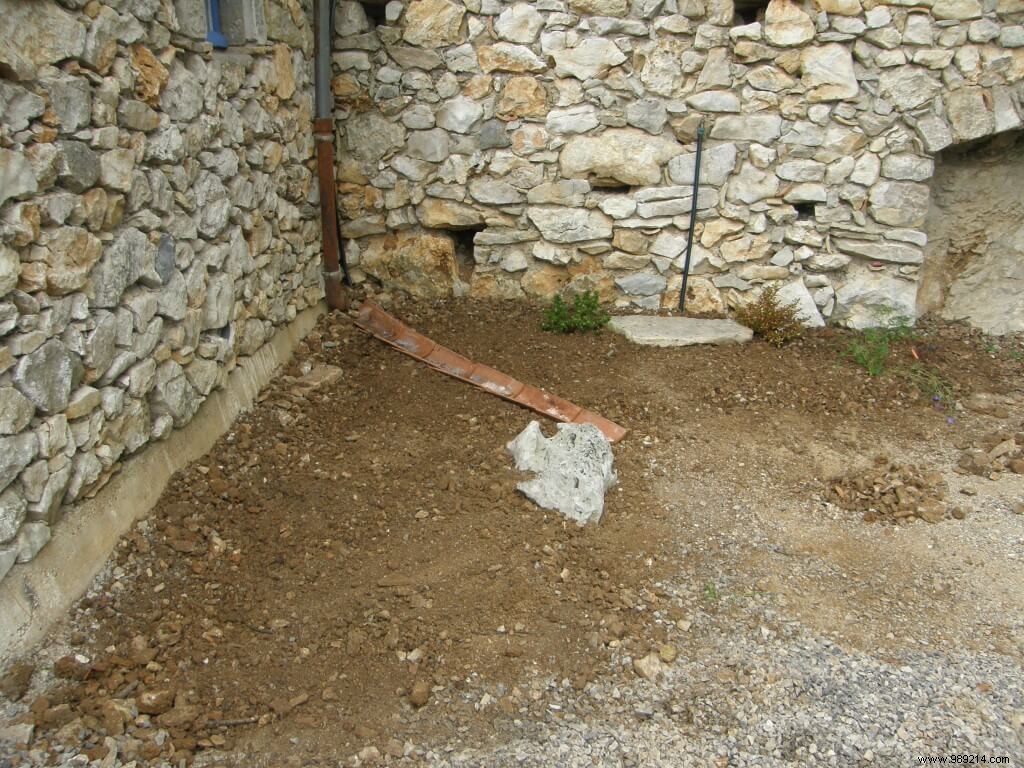
Half a day later, the soil was loosened to about 20 cm deep. Then, the claw and rake refined it, making the bed more workable and less rocky. Two wheelbarrows of stones were recycled to fill path potholes—sustainable gardening at its best.
Site constants like the wall faucet and gutter downspout needed accommodation for watering.
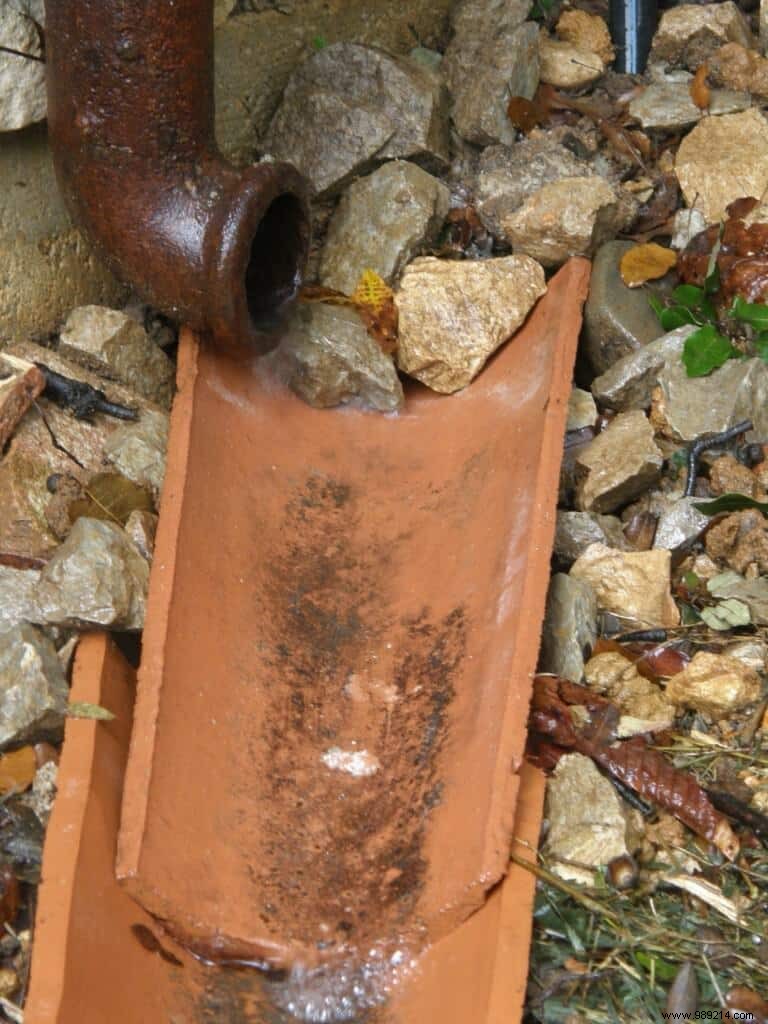
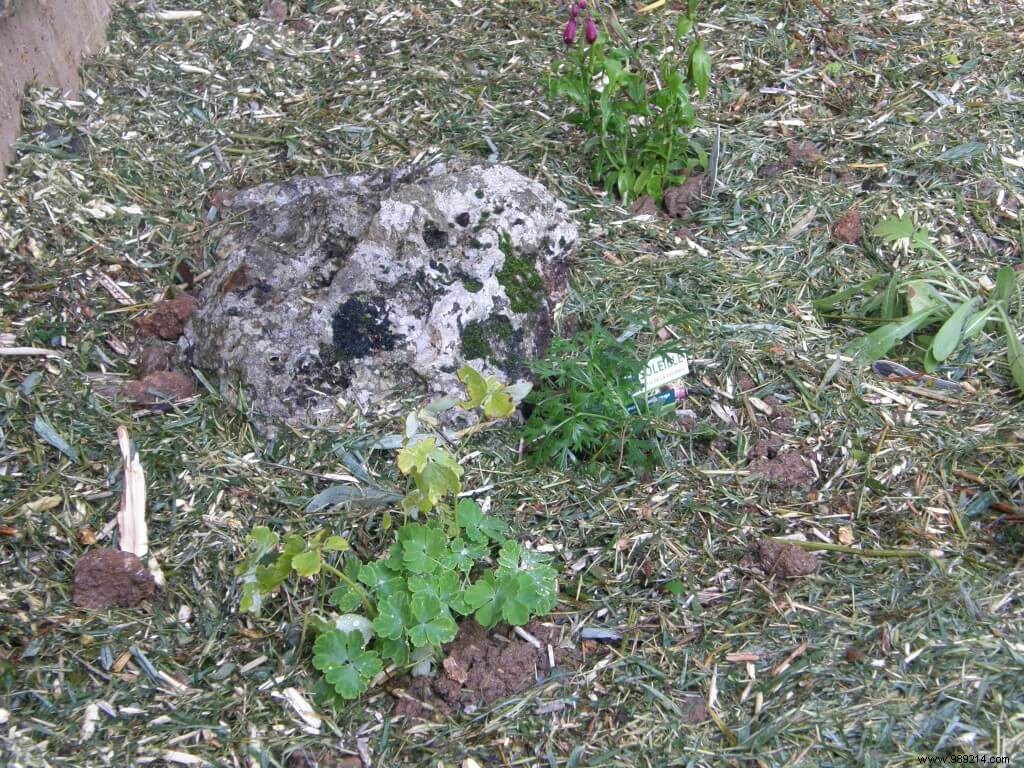
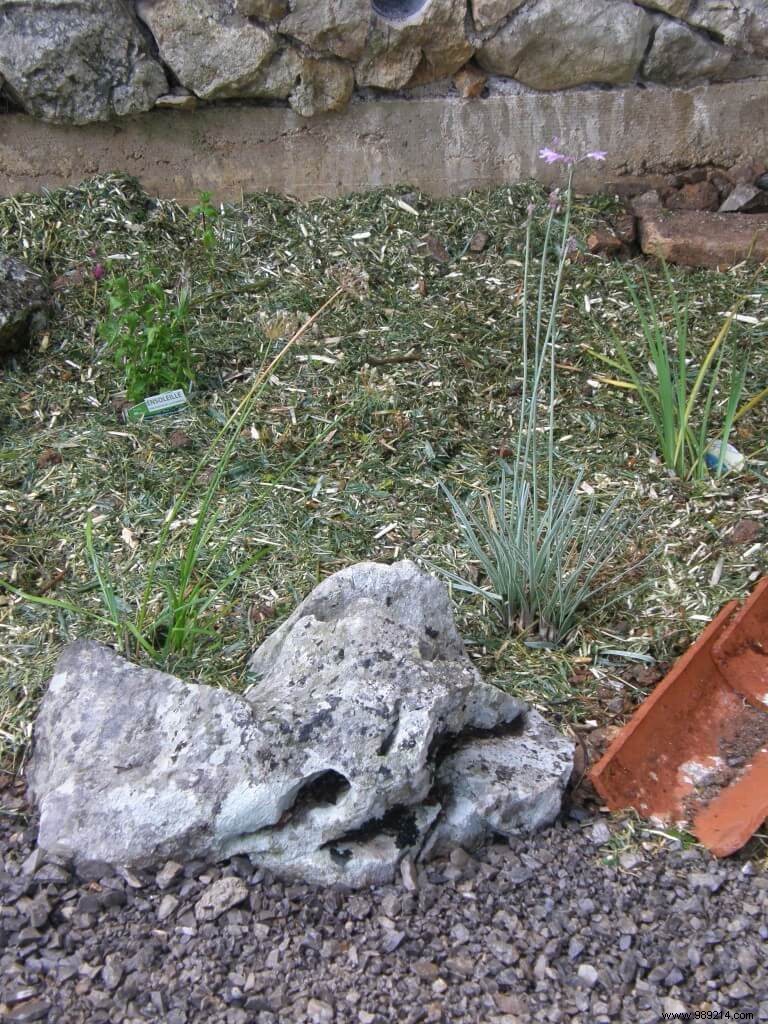
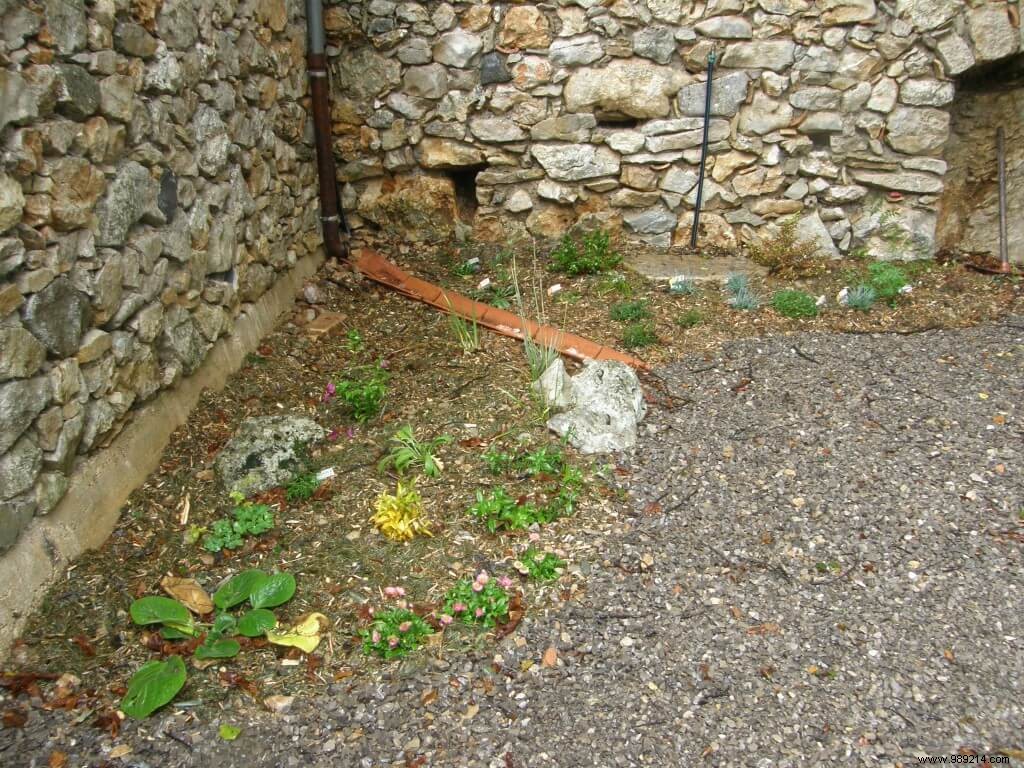
A flat stone supports the sprinkler base. A path of overturned tiles channels water away from the bed; the slope carries it through gravel. At the end, a small rock—nicknamed 'Gasper' for its ghost-like shape—protects the tile edge from accidental kicks, blending form and function.
Perennial bed creation
Planting time arrived. I spread compost, organic fertilizer (from the bag's remainder), and mulched with shredded holm oak branches. Plants are spaced snugly to act as mother stock for future divisions into other beds.
Before and after:
Perennial bed creation
Perennial bed creation
