User Question: Hello! I'm an amateur but passionate gardener. I sowed some pansies a while back, and sowing went well, but transplanting pansies is giving me trouble. My plants don't flower like those at the nursery. What should I do? Should I add fertilizer to the seedbed? Compost in the transplanting soil? How do I transplant them properly?
Thank you. I just want personal satisfaction, not to compete.
As an experienced gardener, I've found that sowing pansies thrives in a light substrate—a mix of potting soil, sand, and garden soil. This creates a well-draining medium that retains just enough moisture. Importantly, skip fertilizers in the seedbed. They can "burn" delicate sprouts or spur rapid, leggy growth, resulting in weak, etiolated plants.
Move seedlings to pots or beds using lightly fertilized soil. Excess nitrogen promotes lush foliage at the expense of flowers. In fall, this isn't a big issue—prioritize strong roots and upright growth over immediate blooms. Most pansies are biennials that focus on foliage in autumn and explode with spring flowers.
Varieties blooming now differ from spring ones, though some autumn types rebloom in late winter. For best results, opt for "green" (non-flowering) pansies in fall—they root deeply before winter, leading to spectacular spring displays. Sadly, flowering pansies dominate fall markets now, much like with forget-me-nots, primroses, violas, poet's carnations, and wallflowers.
If your pansies skip autumn blooms, it's likely the variety (spring-only) or over-fertilization favoring leaves over flowers. A healthy, vigorous plant is a win—just be patient for that stunning show.
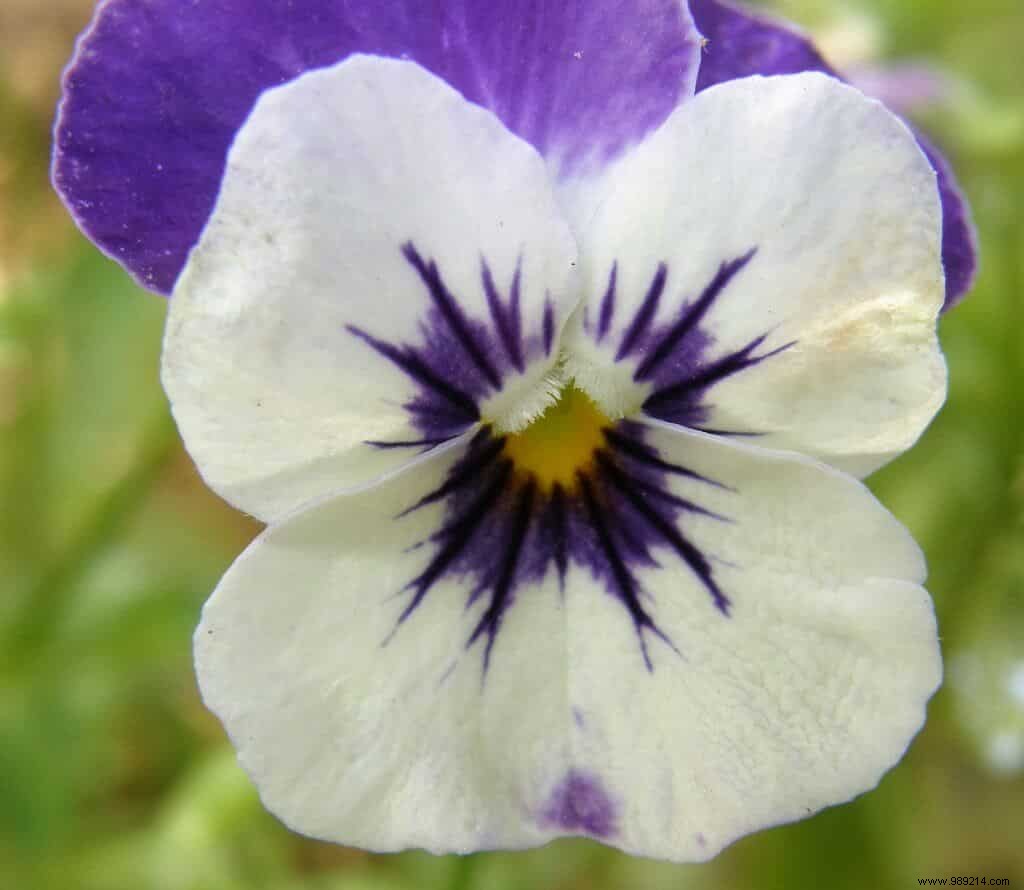
Pansy (Viola cornuta)
