 Photo credit: bioautop.fr
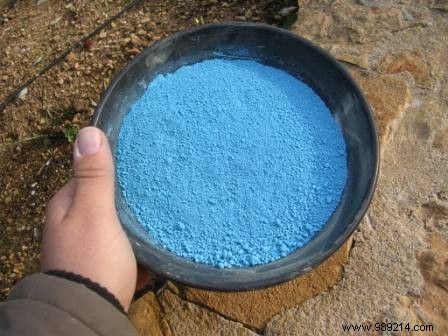
Copper sulfate serves as the primary active ingredient in Bordeaux mixture. Gardeners also have access to other copper-based options, such as tetracopper oxychloride, copper hydroxide, and cuprous oxide.
This versatile compound combats a wide range of cryptogamic diseases, especially downy mildew on vines, potatoes, and tomatoes. It also acts as an effective bactericide for fruit trees.
Important note: While Bordeaux mixture targets many fungal issues, it has no effect on powdery mildew, a frequent problem on roses, cucurbits, and other garden plants.
However, copper comes with notable drawbacks that experienced gardeners must consider.
Copper occurs naturally in air, water, and food, and only excessive exposure poses health risks, such as potential liver or kidney damage—though no conclusive evidence links it to cancer.
Environmentally, the concerns are more pressing. Copper binds to soil organic matter and persists without breaking down, leading to elevated concentrations over time.
It harms soil bacteria, fungi, mycorrhizae, and earthworms, slowing organic matter decomposition.
Copper exhibits recognized phytotoxicity, stunting growth in plants on contaminated soils.
Sheep are particularly vulnerable, suffering poisoning from grazing on copper-laden grass, even at modest levels.
Bordeaux mixture is permitted in organic farming, yet many organic growers have reduced or eliminated its use, staying well below legal limits.
Effective substitutes include horsetail decoction. Preliminary trials with baking soda and sugar show promise, but results vary. Share your successful alternatives in the comments—your real-world insights are welcome.
Source: French Wikipedia on Bouillie Bordelaise
To be continued…
