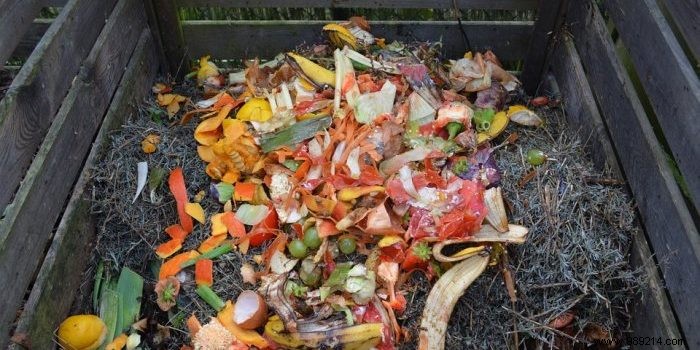
In the 21st century, protecting our environment starts at home with smart waste management. As seasoned gardeners know, producing homemade compost is a game-changer—far more effective than relying solely on store-bought tools and accessories.
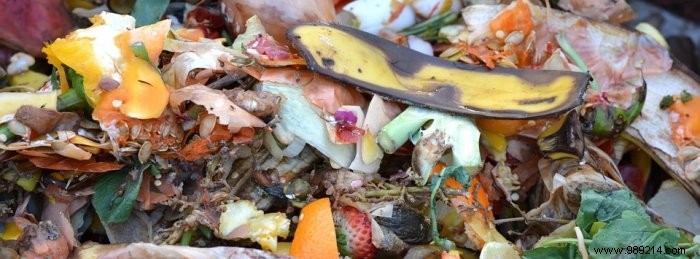
Composting is a time-tested method of recycling organic waste into nutrient-rich fertilizer. Soil microorganisms break down these materials, restoring essential elements that plants need to thrive and mimicking nature's natural cycle.
This process not only enriches your soil but also reduces landfill waste effectively.
For truly natural homemade compost, focus on green household waste like kitchen scraps, wilted flowers, and houseplant trimmings. Outdoors, add dead leaves and dried herbs. Chop materials finely to speed up decomposition by microorganisms, and use a diverse mix for balanced nutrition—returning to the earth what it provided.
Steer clear of diseased plants or those prone to illness, like certain fruit tree prunings. Skip slow-decomposing items, as they hinder the process.
Manure is fine if fully decomposed; fresh manure is too potent and can stunt plant growth.

Location matters for successful composting. Avoid direct sun, which can dry out the pile. Opt for a shaded area, watering occasionally to keep it moist without sogginess.
In apartments, try vermicomposting with a bin and red worms that convert waste into humus.
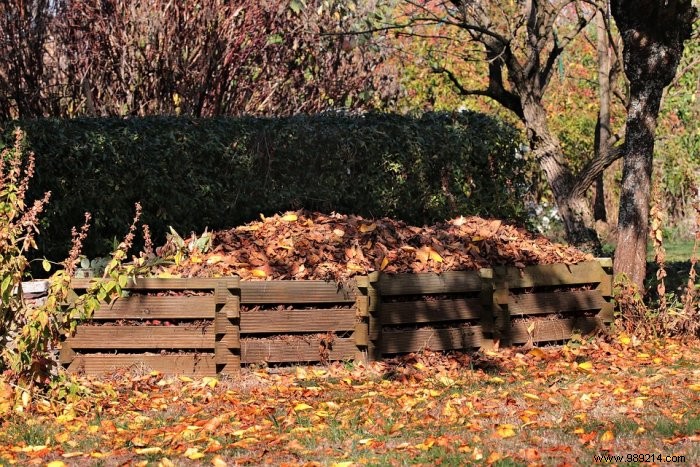
For larger gardens, pile waste into a trellis enclosure. Dig a hole no deeper than 20 centimeters, matching the pile's width, and cover it. Maintain moisture and warmth—a large pile in steady heat accelerates the process.
