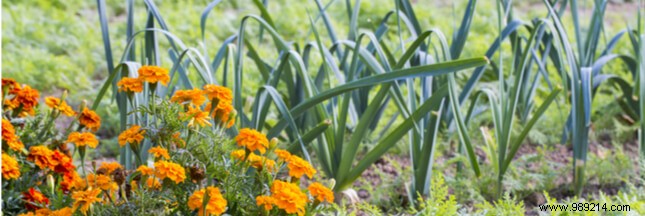
Long before humans domesticated crops, nature mastered intercropping—pairing plants for mutual benefits over millennia. This proven technique associates complementary species to naturally repel pests and boost neighboring plant growth.
As experienced growers rediscover, intercropping reduces reliance on chemical pesticides, promoting healthier soils and higher yields.

Plant relationships in intercropping fall into four key categories:
Here are practical garden examples backed by traditional and modern farming success:
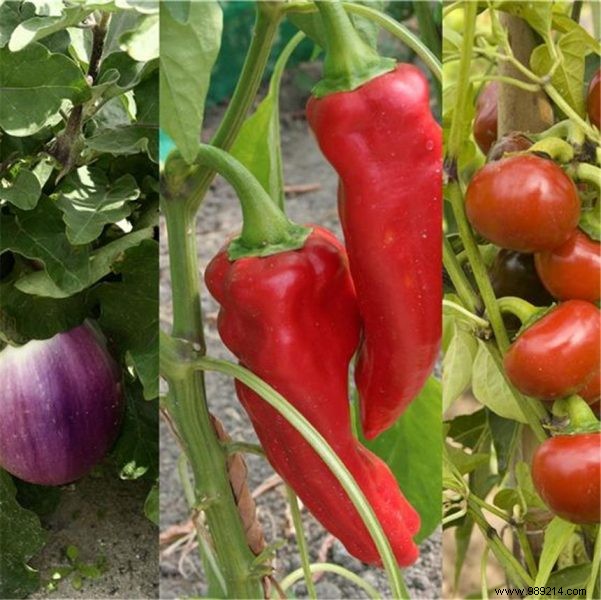
The best time to intercrop is during sowing: mix seeds, plant them together in rows for optimal synergy.
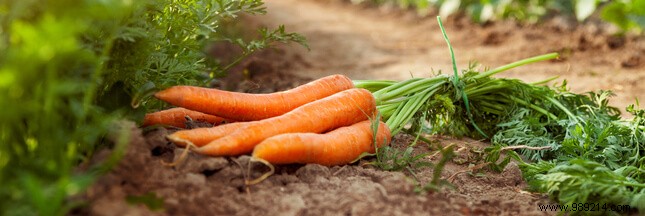
For instance, combining radish and carrot seeds lets fast-growing radishes thin the rows naturally, allowing carrots to mature fully upon radish harvest.
Retain associated plants as living mulch, green manure, and pest deterrents. Greenhouses amplify these benefits but demand precise planning, including crop rotation to maintain soil health.
Certain pairings unlock superior flavor and productivity. Plants thrive by making nutrients more accessible to neighbors, drawing from deep expertise in companion planting.
Nasturtium elevates radish and lettuce taste; tarragon and dill refine cabbage flavors. Marjoram boosts eggplant, cucumber, squash, and bean yields. Legumes fix nitrogen, benefiting nitrogen-hungry crops—an essential strategy for any grower.

Plants vary in form, size, and root depth—cabbage feeds shallowly, while corn roots deeply. Match them wisely using culture sheets for harvest times and rooting depths.
Replant immediately after harvest to eliminate bare soil and curb weeds, maximizing every inch of your garden.
