If saltpeter isn't treated promptly, this harmful substance combined with moisture can cause severe wall damage. Eliminate it at the first signs to protect your home.
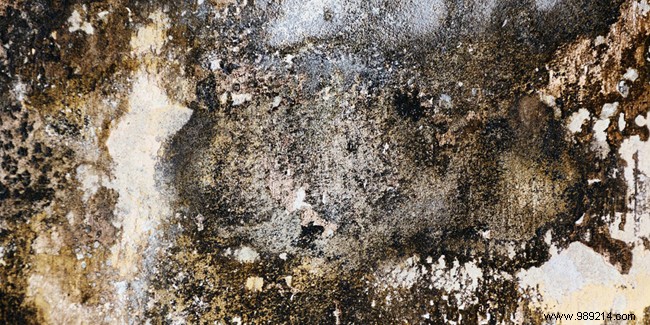
Primarily composed of potassium nitrate, saltpeter—or efflorescence—is a white or grayish crystalline deposit that forms on the lower portions of interior walls, particularly foundations. It seldom rises above 1.5 meters, even in severe cases, leaving upper walls unaffected.
These mineral salts thrive in damp areas like cellars or septic zones, attacking stone, brick, cement, plaster, and wood alike. Older buildings, especially former barns or animal shelters, are most vulnerable.
Capillary action drives its formation: groundwater rich in minerals rises through walls, evaporates upon air exposure, and crystallizes as whitish salts. Poor ventilation and constant humidity in spaces like bathrooms or kitchens accelerate the problem.
Look for white powdery deposits on lower walls. With moisture, it may cause peeling wallpaper, mold growth, or crumbling plaster—clear indicators of saltpeter.
Beyond its unsightly appearance, saltpeter erodes wall surfaces, leading to cracks. It also signals excessive humidity, which can render spaces unhealthy over time. In heavy concentrations, these salts may trigger allergies, respiratory issues, or migraines.
Start by removing visible deposits with a wire brush or sander. However, without addressing underlying moisture, it will return.
Once cleaned, apply an anti-saltpeter coating or damp-proof paint. For lasting results, tackle capillary rise professionally. Experts assess infiltration and recommend tailored solutions.
Options include drainage systems to divert groundwater via underground pipes; injecting polymerizing products to seal capillaries; or electromagnetic treatments to dry soil moisture. Trust certified humidity specialists for reliable, long-term protection.
