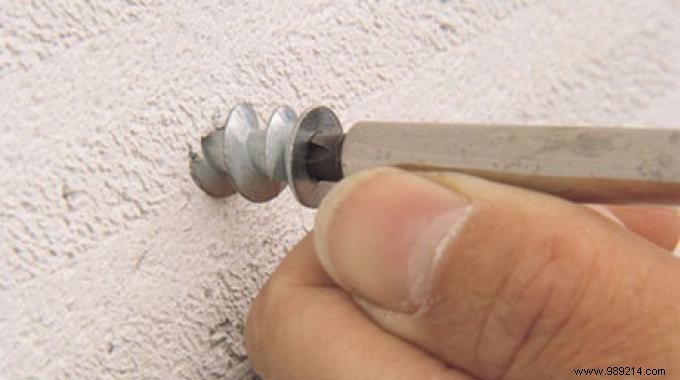
Building your own shelves or storage solutions is rewarding, but mounting them properly is crucial to prevent mishaps.
Improper wall fixing often leads to failures. To safeguard your projects, loved ones, and valuables like your flat-screen TV, master the art of secure wall mounting.
Imagine returning home to find broken furniture or a shattered screen in the living room—or worse, items falling on your children. Here's how to ensure that never happens.
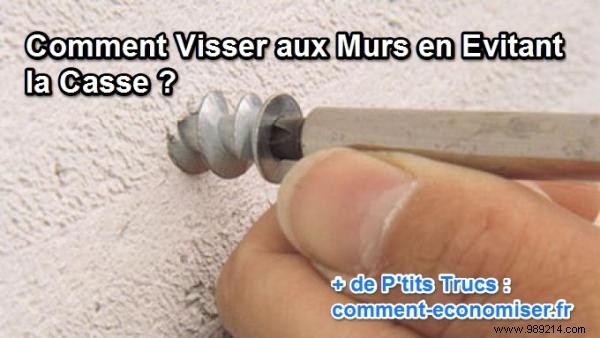
As an experienced DIYer, I've learned that screw selection depends on the item's weight, thickness, and wall type. Consult a knowledgeable hardware store associate for tailored advice based on your wall material.
Screw diameter primarily correlates with load: 3mm for lightweight items like frames or empty shelves under 1kg; 5mm for light kitchen furniture; 6mm or larger for heavy loads, up to 16mm threaded rods for gates or very heavy objects.
Opt for larger diameters if the load involves pull forces (e.g., chandeliers) or if the wall is low-density.
Screw length must account for the item's thickness and dowel depth—it should reach the bottom of the dowel for maximum hold. Calculate the embedded length carefully.
Dowels (wall anchors) vary by wall material. Match them to your screws by size. Here's what works best, based on years of hands-on projects:
Drill holes matching the dowel diameter, tap in the dowels with a hammer, and drive screws using a screwdriver or power drill.
For plasterboard, coat screws with soap for smoother insertion and better grip—a pro tip from countless installations.
Share your experiences, tips, or questions on screws and dowels in the comments below!
