
In the construction industry, a wide array of skilled professionals collaborates to build homes and structures. At the heart of it all is the project manager—a key role we'll unpack in detail here, drawing on established industry practices.
Many confuse the project manager with the client. The client is the project owner who initiates the construction, renovation, or maintenance.
The project manager, by contrast, is the technical expert—often an architect or engineer—the client hires to turn their vision into reality. This falls under "project management," or MOE (Maîtrise d'Œuvre). Note: the project manager does not own the land or final property.
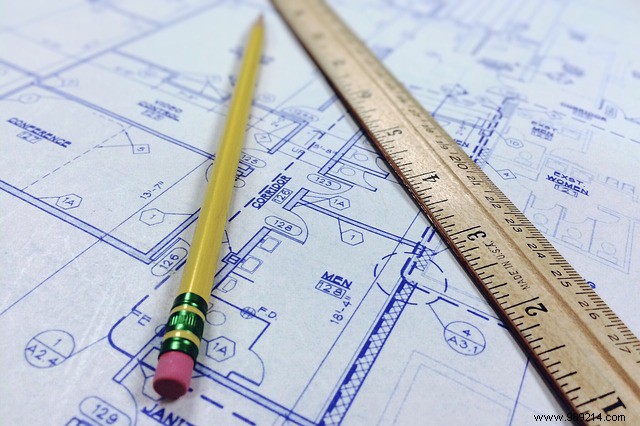
After client engagement, the project manager evaluates feasibility. With deep expertise, they recommend tailored technical and human solutions to fit the budget. They draft the Detailed Technical Specifications (CCTP), plans, and submit the building permit.
Once approved, they manage execution amid financial, technical, and human constraints. They select subcontractors, negotiate equipment and service prices, and coordinate schedules to avoid delays.
Progressing through the build, they inspect work quality and timelines. At completion, they lead the technical acceptance with the client.
The project manager bridges the client and on-site trades. Before committing, vet candidates rigorously for peace of mind.
Often, an architect fills this role—confirm registration with the Order of Architects, a core credential. Architects are mandatory only for larger projects.
As guarantor of execution and compliance, review their portfolio and past collaborators. This verifies skills, reliability, and network essential for success.
