Whether dividing garden spaces, shielding from prying eyes, blocking wind and glare, or elevating aesthetics, claustra screens deliver versatile solutions. Our expert guide covers everything you need to know about these reliable fences.
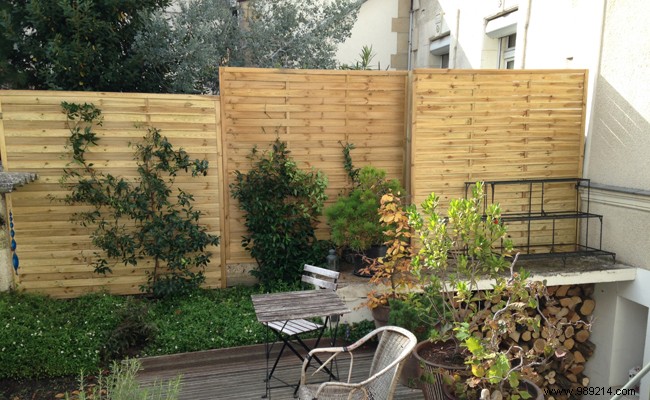
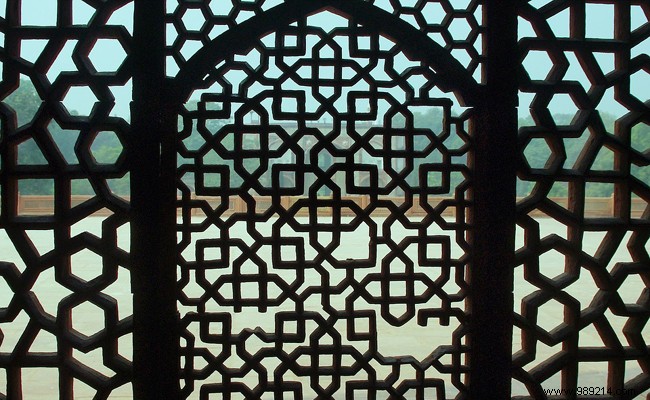
Claustra is a perforated screen designed for indoor and outdoor use as a decorative partition. Rooted in oriental architecture, it originally separated spaces while allowing subtle visibility from one side without exposure. Today, it's a garden staple worldwide.
Its core role is providing privacy, ideal for closely spaced residential gardens. Many designs fully block distant views yet permit light and glimpses up close. Advanced models feature adjustable slats for customizable screening.
Claustra also protects against wind, ensuring year-round comfort on your property. It excels at zoning gardens—separating play areas, lounges, dining spots, or vegetable patches.
Claustra's appeal lies in its diverse styles to match any preference. Available as full panels or modular elements, choose from concrete, stone, PVC, terracotta, wood, or metal (explore aluminum claustra selections here). Vegetated options use metal or wood frames for climbing plants. Panels come large or assemblable, with portable models for flexible layouts.
Before installing, review local rules under the Urban Plan or municipal codes. You may need a works declaration or building permit. In shared properties, notify neighbors to prevent disputes. Check requirements for setbacks from roads and maximum heights.
For large resin panels, expect 200-300 euros each. Wood panels (1.50m height) start at 20 euros; polypropylene (1m width) around 50 euros. Modular elements: 5 euros (terracotta), 2-5 euros (concrete), 15 euros (reconstituted stone).
