A compost bin transforms kitchen and garden scraps into nutrient-rich compost for your plants. Not all waste is suitable, though. As experienced gardeners know, balancing inputs is key to healthy decomposition. Here's a reliable guide to what to add and what to skip.
From your kitchen, add vegetable and fruit scraps, peels, tea bags (staples removed), coffee grounds, wilted flowers, tree leaves, garden trimmings, and fresh, crushed hedge clippings. Chop fruits and veggies into small pieces, grind woody material, and ensure tea bags are compostable.
Grass clippings work in moderation—they compact easily and can slow aeration. Citrus peels, onion/garlic skins, and rhubarb leaves are fine in small amounts; they break down fast without acidifying if balanced with eggshells and a dash of ash. Rehydrate dry citrus peels before adding.
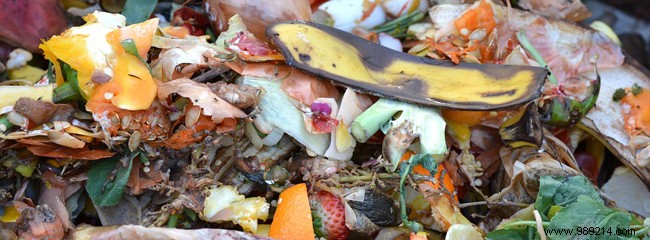
Include paper towels, food cartons, tissues, and uncolored printed paper. Moisten dry compost or papers first to maintain balance. Tree bark, straw, hay, crushed eggshells (skip dry nut shells), pine needles, garden weeds, fingernails, and hair all contribute well.
Leftovers like pasta, rice, and bread; cooled fireplace ashes; sawdust and untreated wood shavings from clean sources round out your mix.
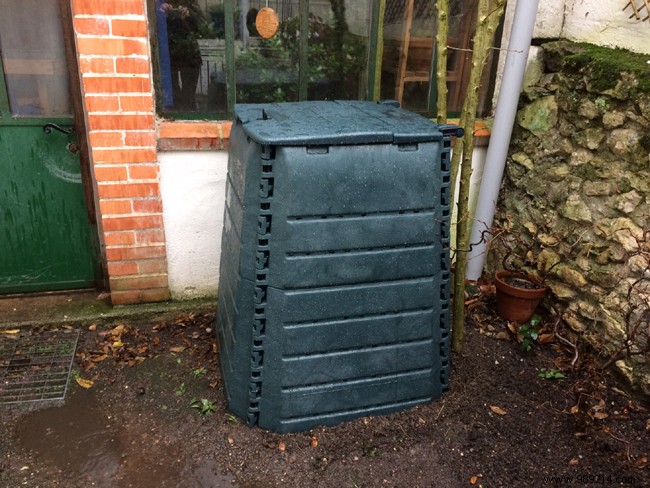
Skip cooked meats, fish, cheese, bones—they attract pests and cause odors, even in tiny amounts. Shells don't break down fully. Avoid dairy, oils, and fats, which smother microbes.
Pet waste and litter carry pathogens. Invasive plants like ivy or bindweed, seeded weeds, diseased or pesticide-treated plants risk spreading issues. Ban non-biodegradables: vacuum dust, cigarette butts, gravel, barbecue charcoal.
