Composting is an excellent way to recycle kitchen scraps like fruit and vegetable peelings into nutrient-rich fertilizer for your vegetable garden. However, not everyone has the space for a compost bin—especially in apartments.
Fortunately, you can still enrich your soil with powerful natural fertilizers straight from your kitchen, skipping composting altogether. Here's how, based on proven gardening practices:
Transform everyday leftovers you might otherwise discard into soil boosters. It's simple and effective.
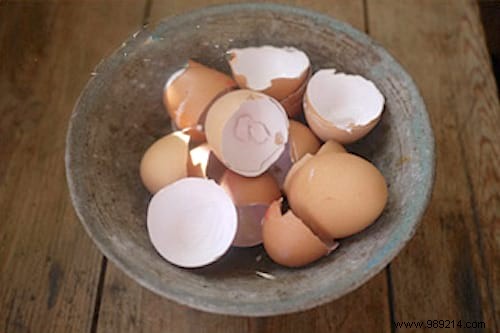
In my experience growing vegetables for over a decade, eggshells are a garden essential. After cooking, rinse them thoroughly to deter pests, then dry them in the sun or on a warm radiator for a few days. Dry shells crush easily and break down faster in soil.
Crushed eggshells enhance drainage, supply calcium to promote vigorous plant growth, and help prevent diseases in tomatoes and flowers. For finer results, grind them into powder using an old coffee grinder.
Coarsely crushed shells also create a natural barrier against slugs and snails—think of it as sharp gravel underfoot for these pests. Sprinkle around young plants for protection.
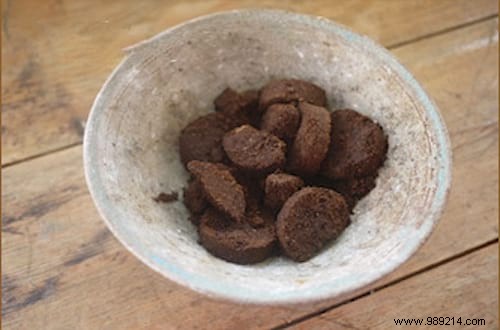
Coffee grounds are a gardener's go-to for direct soil application. They add organic matter, improve aeration and drainage, and retain moisture. As they decompose, they release nitrogen, fueling robust plant growth.
Used in moderation, they won't drastically alter soil pH, making them ideal for acid-loving plants. Empty Nespresso capsules or Senseo pods to harvest more. Store extras for later use.
Sprinkle as mulch around plants—earthworms love the caffeine boost! Mild mold is normal decomposition; it signals everything's working as it should.
Not a coffee drinker? Tea bags work similarly. Find out how here.
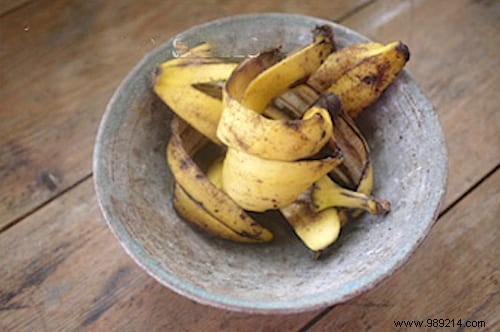
Banana peels supercharge soil fertility effortlessly. Bury them whole or chop into small pieces for quicker breakdown, feeding soil microbes.
Watch earthworms thrive, aerating your garden naturally. Decomposing peels release a nutrient powerhouse: calcium, magnesium, sulfur, phosphates, potassium, and sodium. These support fruit and flower development—roses adore them.
Learn about other uses for banana peels here.
