Over time, white bathtubs often yellow, but replacing them can be costly. A high-quality resin application provides a durable, professional alternative that withstands cleaning products and humidity.
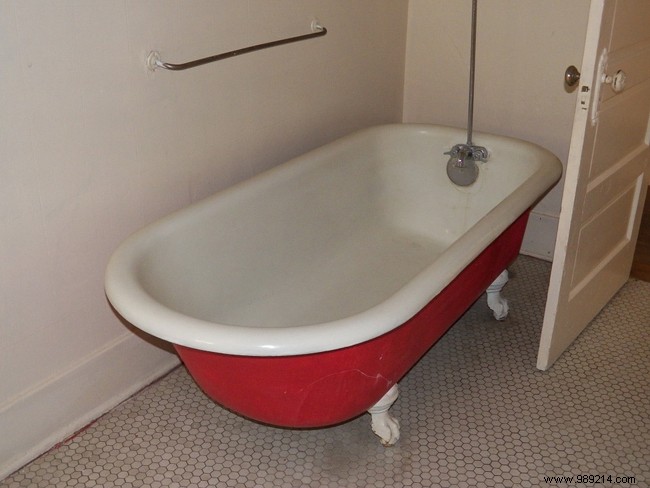
Opt for tintable resin over standard paint for superior adhesion and longevity. Start by removing old seals using a cutter to score edges and a screwdriver to lift them. For stubborn residue, apply acetone in a well-ventilated area with windows open.
Thoroughly clean the surface: Begin with a household cleaner, follow with methylated spirits or acetone to degrease, then scrub with scouring powder and an abrasive sponge. Rinse completely.
Sand the entire surface with fine-grit sandpaper, focusing on faucets, edges, and corners for optimal adhesion. Rinse again to remove dust.
Before applying resin, protect non-paint areas: Apply masking tape along edges, fittings, and the tub base. Cover surrounding walls, fixtures, and floors with plastic sheeting, securing with tape.
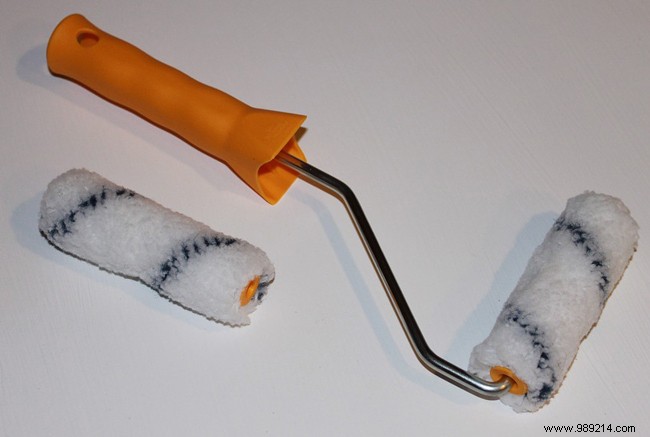
Prepare the resin kit per manufacturer instructions while wearing gloves. Use a brush for precision in tight spots like corners, edges, and around faucets.
Switch to a roller for larger areas, applying a thick first coat. Allow two hours drying time, then add the second coat.
Once dry, install silicone sealant to prevent leaks and mold. Use masking tape for straight lines, smooth with a soapy water-dipped finger. Wait 48 hours for full curing before use.
