As an experienced antique restorer, I've revived countless vintage trunks. When acquiring an old steamer trunk, thoroughly inspect for rust or rot. Trunks with moderate damage are prime candidates for restoration, as replacement parts like corner trims, latches, rivets, and leather handles are readily available from reputable mail-order suppliers.
Leather handles often wear out first on these heirlooms. Replacing them is straightforward: Stain new leather grips with an oil-based commercial stain before installation for an authentic aged look.
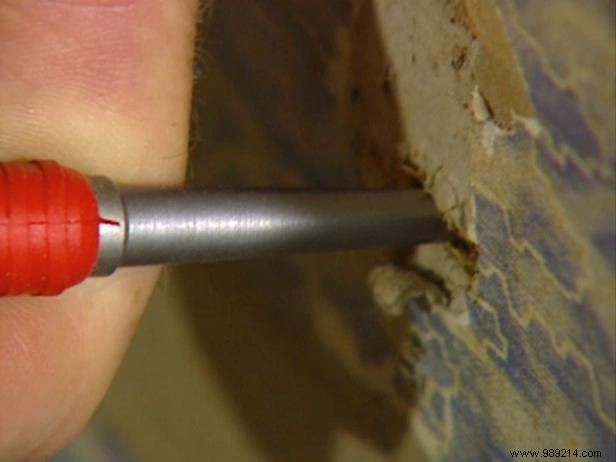
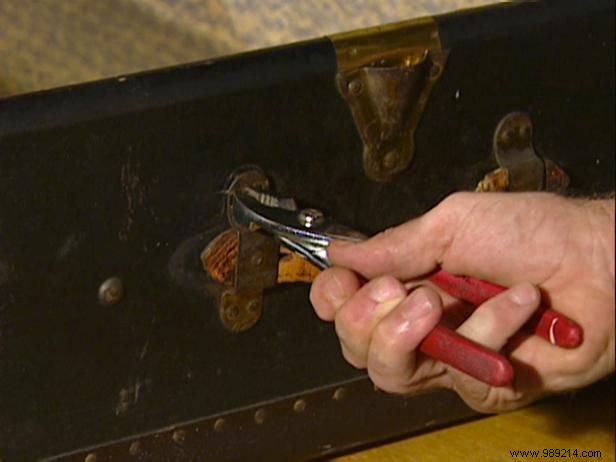
The metal brackets securing the handles are typically fastened with nails bent into the wood. Measure with a tape to find nail tips inside the trunk liner, then use a punch and hammer to loosen them. Once nail heads protrude, grip with pliers and extract.
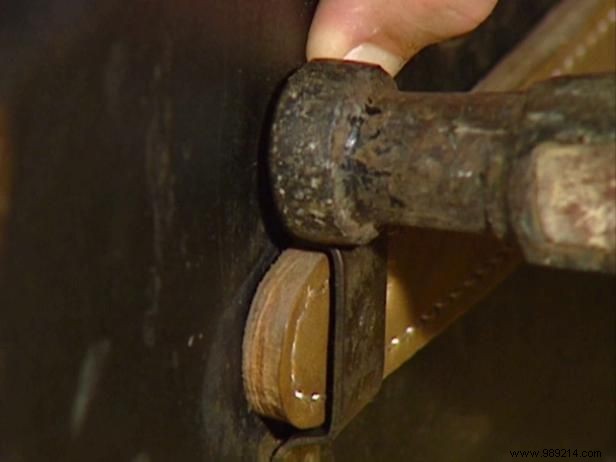
Slide out the old handle and insert the new one. Reuse original nails if viable—tap into place with a hammer and bend inward to secure. Swap for new nails or screws if needed for a firm hold.
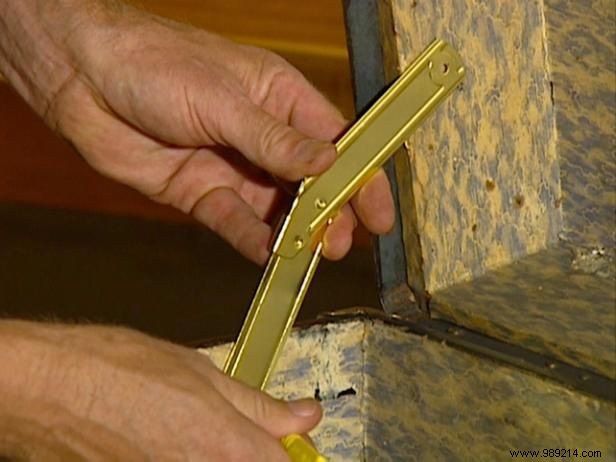
The lid stays—folding brackets that support the open lid—must function smoothly. To replace worn ones, measure the original bracket's position precisely and mark the new one accordingly. Drill or punch pilot holes slightly smaller than your screws. Secure at both slot ends, ensuring screws don't protrude through the exterior.
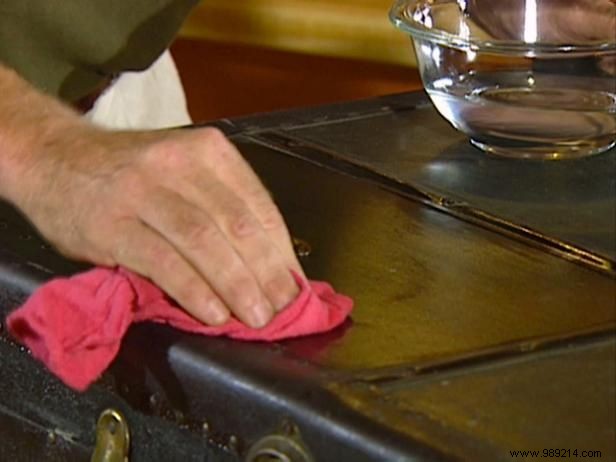
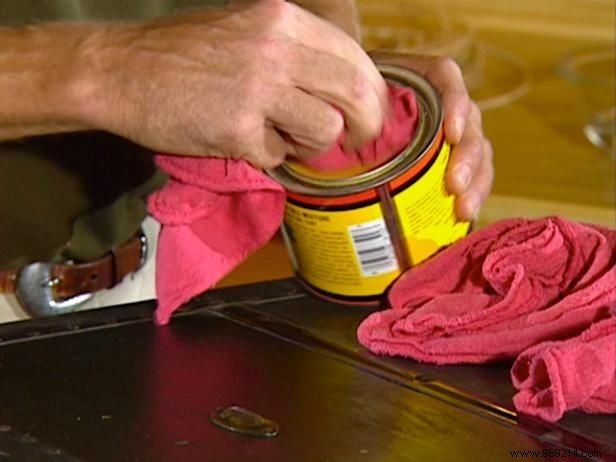
With hardware restored, refinish the exterior. Preserve the patina if intact, or paint for a fresh look. To clean unpainted surfaces, wipe with mineral spirits on a soft cloth to remove grime and old wax, then dry thoroughly. Apply a thin layer of paste wax; buff to a natural sheen as it sets. This protective coat enhances beauty and guards against spills.
