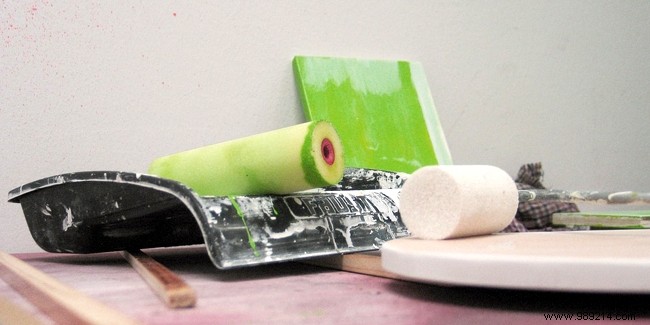
Revitalizing your home doesn't demand major renovations. A few strategic coats of paint can restore its luster and charm. Drawing from years of hands-on experience in home improvement, we've honed the techniques that deliver pro-level results every time.
Selecting the ideal paint is the cornerstone of a durable, high-quality finish. The market offers two primary types: water-based and oil-based. Water-based paints dry quickly with minimal odor, making them popular for everyday use. However, they can be harder to clean and less resilient over time. Oil-based paints excel in high-traffic areas like stairwells or hallways, resisting shocks and moisture effectively. While they contain higher VOC levels—potentially impacting health—European regulations have reduced these, though they're still less favored today.
Beyond paint type, your finish choice is critical. Satin or matte options mask wall imperfections beautifully but aren't ideal for kitchens, kids' rooms, or heavy-use zones. Glossy or lacquered finishes are easy to wipe clean and create a sense of spaciousness. Apply them only on smooth, flawless surfaces to avoid highlighting flaws.
Prevent regrets by testing shades in advance. Many manufacturers sell affordable samples for 3 or 4 euros. Apply them to a hidden wall section to preview colors and effects under your lighting.
Skipping surface prep guarantees subpar results. Start by cleaning the wall thoroughly, then seal cracks and holes. Check for moisture: tape a plastic sheet overnight and inspect for condensation. If present, improve ventilation before proceeding. A solid foundation ensures paint adheres perfectly.
After priming with an undercoat, apply your topcoats strategically. Avoid extremes—neither freezing cold nor scorching heat affects coverage and drying. Spring or fall are optimal, allowing proper ventilation without temperature swings.
