Chlorine remains the most common treatment for swimming pool water, but with rising sensitivities to this chemical, chlorine-free options are gaining popularity. Discover effective alternatives below.
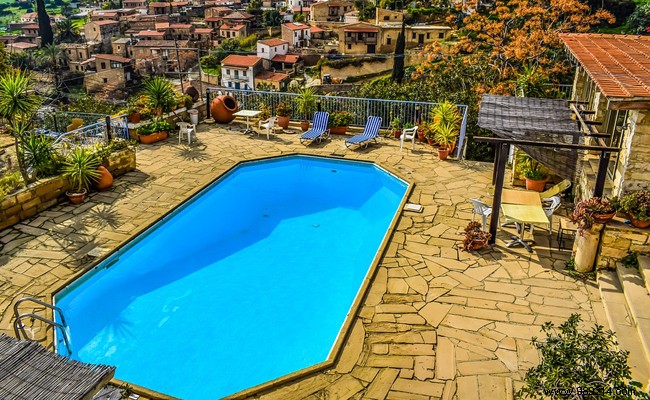
Sunscreens, skin shedding, dust, sweat, and temperature fluctuations quickly dirty pool water, leading to cloudiness without regular treatment. Chlorine's disinfectant properties effectively eliminate bacteria, fungi, and algae.
While affordable, chlorine produces chloramines—aggressive compounds that irritate eyes, skin, and respiratory tracts, especially in sensitive individuals and children. It also has a strong, unpleasant odor.
For chlorine-free options tailored to private pools, reputable online stores offer easy-to-use products with clear instructions.
Bromine, available in tablets or powder, serves as an excellent oxidizing alternative. Naturally found in seawater, this odorless algaecide works for routine maintenance and shock treatments, restoring green water or balancing pH.
Place it in the skimmer, but use a bromine activator for optimal efficacy and pH control. Maintain levels between 2-4 mg/L to avoid corrosion—handle with care.
For pools up to 40 cubic meters, active oxygen kits provide straightforward maintenance while preserving water quality.
Fully ecological and hypoallergenic, it breaks down into oxygen, leaving no residue. Pre-dosed sachets simply drop into a floating diffuser. It pairs well with other disinfectants if needed.
Note: It's less suitable for larger pools and costs more than some alternatives.
Salt electrolysis offers an economical, eco-friendly solution, especially for bigger pools. Though not yet widespread in France, it transforms salt in the water into natural chlorine via the pool's circulation system.
