As a seasoned gardener with over 15 years of experience tending diverse outdoor spaces, I've learned that proper watering is key to thriving vegetables, vibrant flowers, and lush landscapes. In summer, daily irrigation at the optimal time with reliable equipment makes all the difference. You can opt for traditional manual watering or the convenience of automated systems. Each has distinct advantages and drawbacks, so the best choice depends on your lifestyle, garden size, soil type, and plant needs. Let's break down the pros and cons based on real-world application.
Manual Watering: Key Advantages and Drawbacks
Manual watering—the tried-and-true method used for generations—involves hands-on care with tools like watering cans, hoses, spray nozzles, or pistols. It's ideal for targeted care in small gardens or vegetable patches, allowing precise adjustments per plant, but it can become labor-intensive for larger areas.
Advantages of Manual Watering
From my hands-on experience, manual methods shine in these ways:
- Precise control over water delivery, tailoring amounts to each plant's specific needs.
- Low upfront cost—basic tools like hoses and cans are affordable and widely available.
- Perfect for small vegetable gardens or pots, ensuring thorough soil moisture.
- Versatile nozzles allow rain-like misting or direct streams as required.
Disadvantages of Manual Watering
That said, it has limitations I've encountered often:
- Time-consuming, as you water plants individually.
- Large areas demand long hoses to minimize trips back to the tap.
- Physically demanding, especially in expansive veggie patches.
- Prone to water waste without careful monitoring.
- Travel plans require asking neighbors for help or buying timers.
Automatic Watering Systems: Benefits and Limitations
Automatic options offer set-it-and-forget-it convenience with programmable setups like sprinklers, drip irrigation, or buried lines—proven efficient in my larger garden projects.
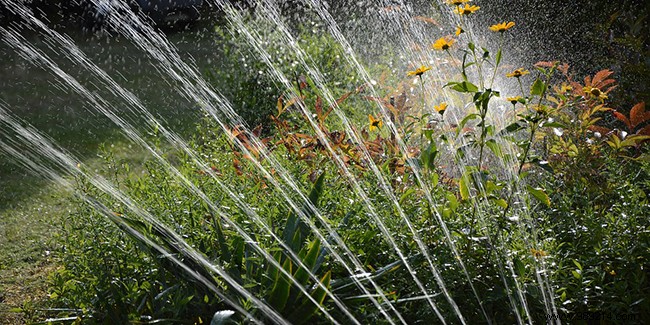
- Sprinkler systems mimic natural rainfall via rotating sprinklers, cannons, or oscillators, ideal for lawns and big veggie areas with adjustable spray radii.
- Drip irrigation delivers water drop-by-drop through surface pipes laid between rows or among plants—precise for smaller gardens.
- Buried irrigation uses the same drip principle but with underground pipes at plant roots for discretion.
Advantages of Automatic Watering
These systems excel for busy gardeners like myself:
- Portable and adaptable to any terrain.
- Uniform water distribution across areas.
- Adjustable coverage for sprinklers.
- No physical effort required—fully automated.
- Drip methods target roots directly, conserving moisture in heat.
- Timers control flow, duration, frequency, and timing precisely.
- Buried systems are aesthetic and retain soil moisture effectively.
- Handles vacations without outside help via scheduling.
Disadvantages of Automatic Watering
Potential pitfalls from practical use include:
- Less targeted than manual—treats areas broadly.
- Sprinklers wet foliage, risking disease and inefficient root watering in drought.
- High-pressure spray can damage delicate flowers or seedlings.
- Drip setups are installation-heavy, visible, and prone to clogs from scale.
- Buried lines risk damage during digging.
