Solar panels are gaining traction among middle-class households, delivering substantial long-term value. Between 2010 and 2014, U.S. solar usage surged 418%, quadrupling capacity despite representing just 1% of the grid—a clear sign of its explosive potential.
Here are six lesser-known advantages backed by data and real-world insights.
Solar panels reliably cut electric bills. While upfront installation costs exist—around $15,000 for a 5 kW system suitable for an average home—prices have dropped over 50% in recent years. Financing options like clean energy loans or utility subsidies (up to 50% in some cases) make it accessible.
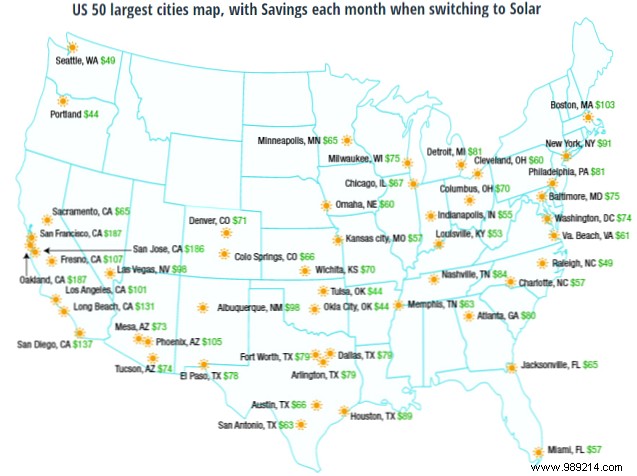
Savings vary by location: sunnier regions yield more. A North Carolina State University study across the 50 largest U.S. cities found owners saved an average $115 monthly in year one—$187 in San Francisco, $44 in Portland. Over 20 years, expect 10-15% bill reductions, outpacing U.S. Treasury yields under 4%.
Critics call panels unsightly, but real estate experts largely disagree. In an era of tight budgets, homes with integrated solar offer instant savings, appealing to buyers. As adoption grows, properties without solar may lose appeal—like buying a home without internet today. In 20 years, it could be a deal-breaker.
Properly installed systems require little upkeep, debunking myths of high ongoing expenses. Plan for an inverter replacement around $800 within 20 years, plus insurance for rare issues like storm damage or failures.
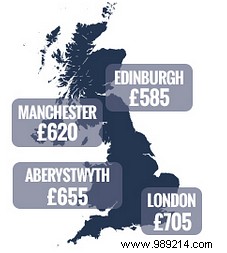
U.S. homeowners qualify for a 30% federal tax credit on installation costs, guaranteed through 2016. In the UK, feed-in tariffs pay 12.92p/kWh for generated power—roughly £700 annually for a southern England home (rates changing next year).
Grid failures from storms or demand spikes disrupt life, but solar provides resilience. Most systems feed excess power to the grid, but adding batteries enables off-grid operation during outages. Batteries raise costs (potentially doubling them) and pose disposal challenges, unlike noisy, polluting generators requiring rewiring.
Fossil fuels drive oil spills, urban smog, and climate change. With global electricity demand set to double in 50 years, solar cuts reliance on 'black gold.' It preserves biodiversity hotspots like the western Amazon, vital for water, climate, and carbon. Health-wise, WHO deems air pollution carcinogenic—city air equals 40 cigarettes daily, linked to 223,000 lung cancer deaths in 2010.
Will you make the switch? What holds you back? Share advantages, disadvantages, or other renewables in the comments—we'd love your insights.
