Skip the chemical-laden kits and dye Easter eggs with natural colors from everyday fruits, vegetables, and spices. This approach is simple, safe, and yields stunning—often surprising—results.
In our testing, we experimented with eight dyes: coffee, wine, pomegranate juice, turmeric, paprika, spinach, beetroot, and red cabbage. Sourced from our pantry, they delivered impressive hues. Standouts included the vibrant blue from red cabbage and the brilliant yellow from turmeric, rivaling synthetic dyes. Spinach produced a subtle green after longer soaking, and multi-dye dips created unique patterns. The result? A basket of beautifully colored eggs.
Our go-to natural dye ingredients:
Greens: spinach, kale
Yellows: turmeric, lemon peel
Blues: red cabbage, blueberries
Reds and pinks: beets, wine, pomegranate juice
Browns: coffee, tea
Oranges: paprika, carrots
Follow these proven steps to create your own natural Easter egg dyes.
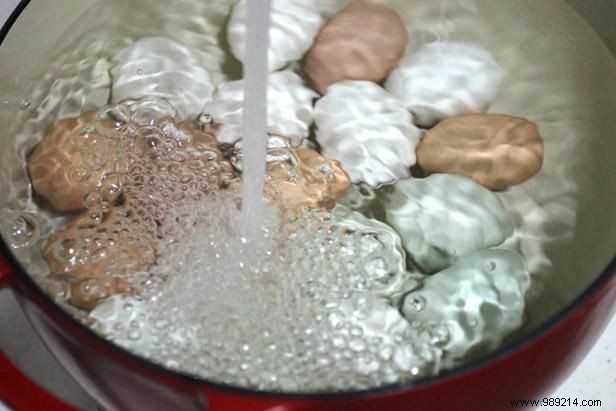
Hard-boil eggs for 8 minutes or bake at 325°F for 30 minutes (ideal for batches). Cool under cold water and pat dry. Brown eggs hold tints well; white ones often yield richer colors.
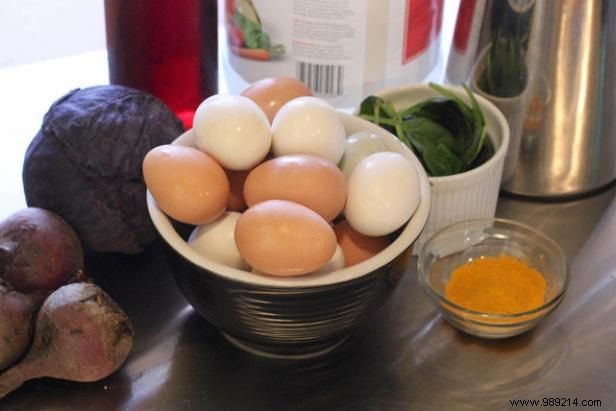
Chop fruits and veggies like onion skins, cranberries, or red cabbage. Boil 1 cup chopped ingredients in 2 cups water for 15-20 minutes, then strain. Expect yellows from onions, grayish-blue from blueberries, and vivid blue from cabbage.
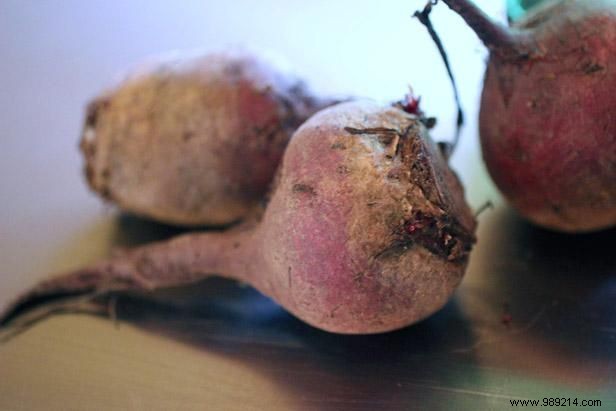
Beet juice, coffee, red wine, or fruit juices deliver bold colors with minimal prep.
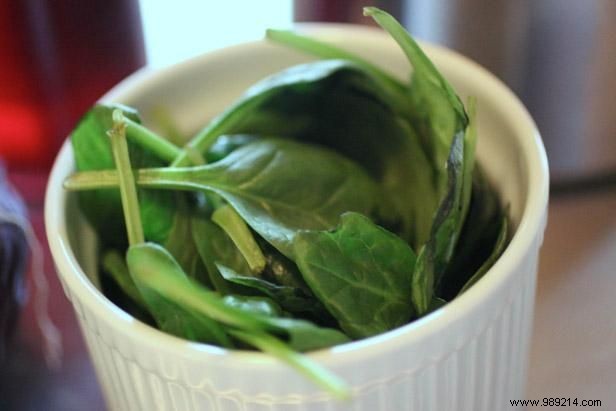
Boil 1/2 cup pureed spinach or 1 tablespoon ground spices (paprika or turmeric) in 1 cup water for vibrant greens, oranges, or yellows.
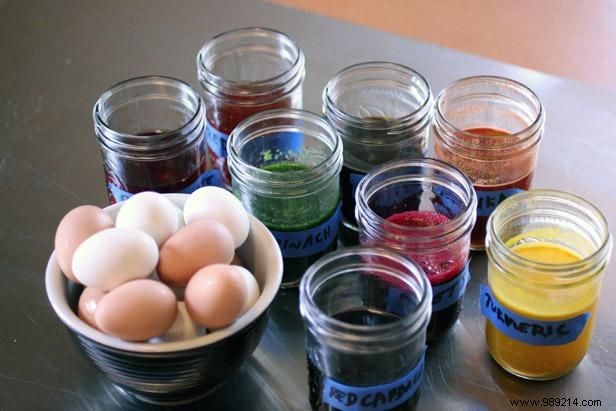
Fill wide-mouth pint jars halfway with your strained dyes.
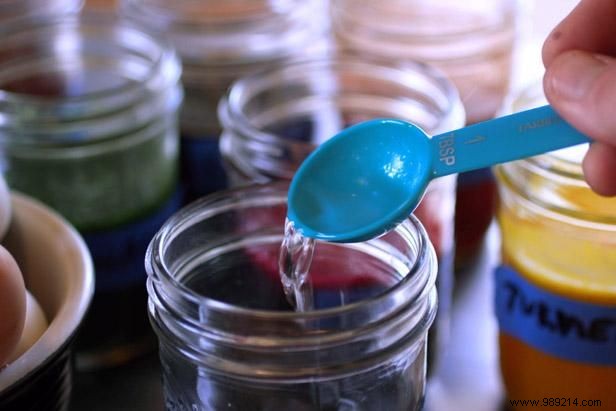
Stir 1 tablespoon white vinegar into each jar. The acidity helps dye bind to the shell for deeper colors.
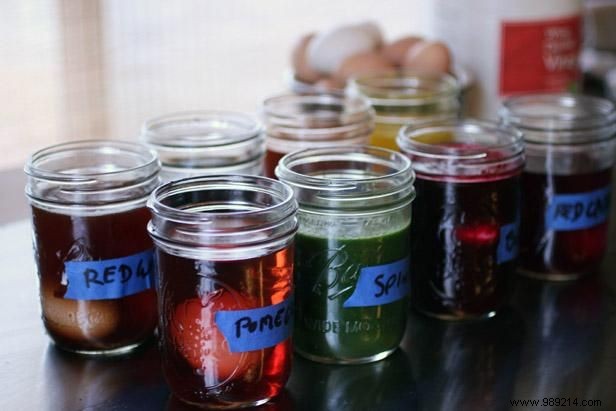
Submerge one egg per jar. Soak 30-90 minutes for varied shades, or overnight in the fridge. Some dyes color evenly; others create mottled effects. Layer dyes for custom patterns.
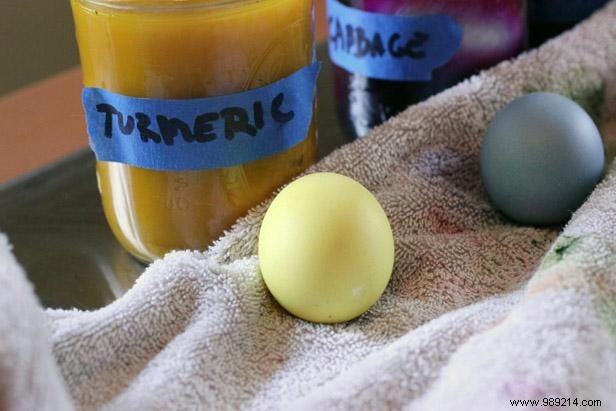
Lift eggs out once the perfect shade is achieved.
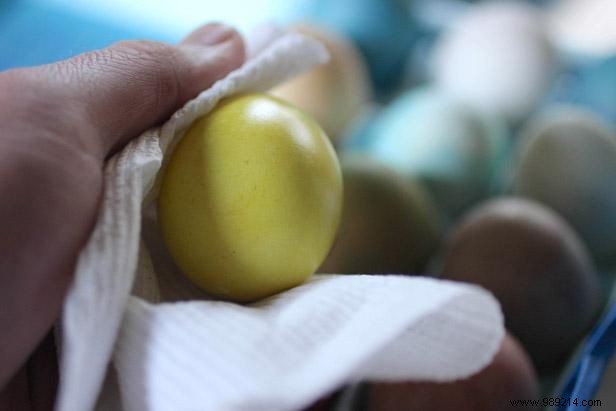
Buff with a light coat of vegetable oil using a paper towel for a glossy finish.
Natural dyes make Easter egg coloring a joyful, kid-friendly adventure. Experiment beyond these suggestions—imperfect eggs add charm and spark creativity with nature's palette.
