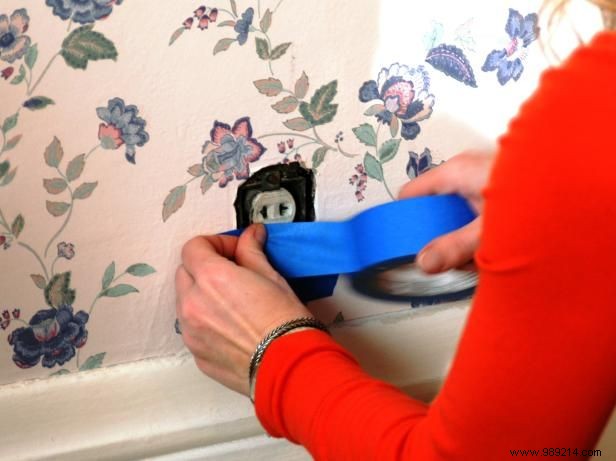
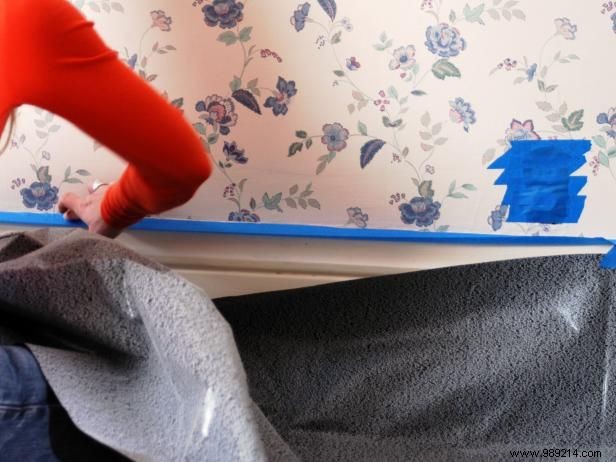
With over 20 years of hands-on home renovation experience, I've found proper prep prevents mishaps. Remove electrical faceplates, phone jacks, picture hangers, and other wall obstructions. Tape over outlets and switches to shield them from moisture (Image 1). Protect carpets or floors with moisture-resistant cloths or plastic sheeting (Image 2).
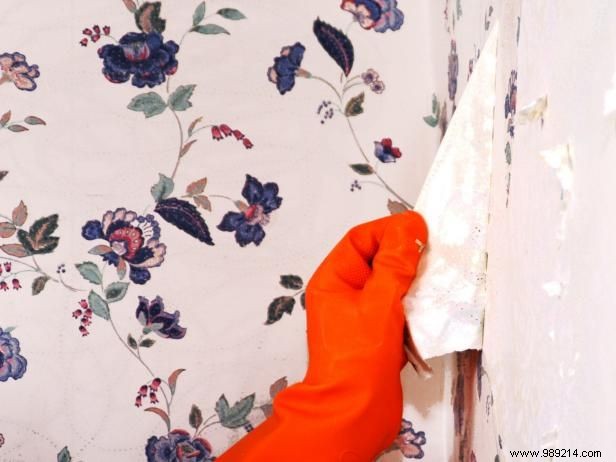
Some wallpapers, like foil or waterproof types, peel easily thanks to adhesives that release cleanly. Start at a corner or seam and gently peel. If it comes off without tearing drywall paper or leaving backing strips, skip solvents or steam. Even if remnants stick, you might scrape them dry after bulk removal—no harsh methods needed.
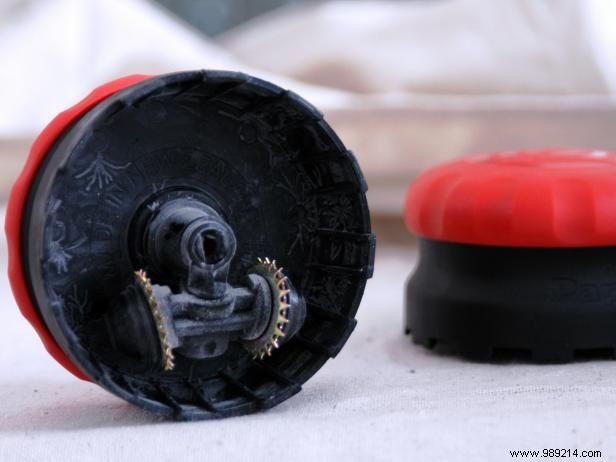
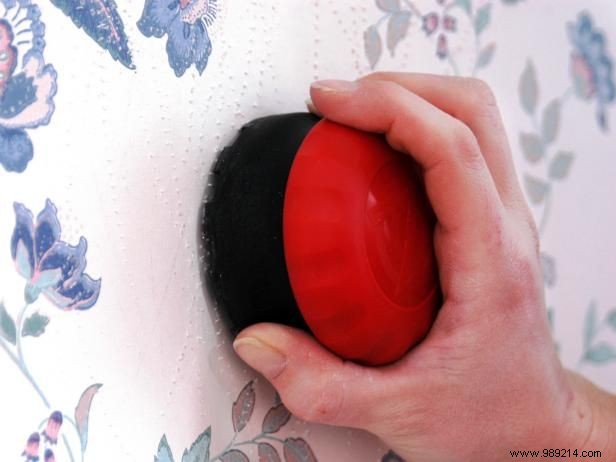
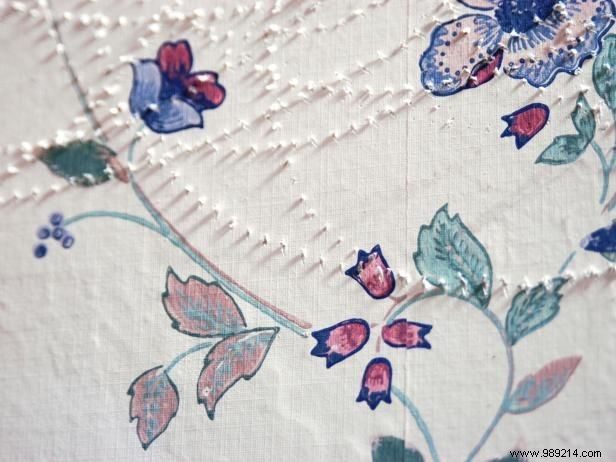
For both solvent and steam methods, use a perforating tool like the Paper Tiger (Image 1). Its spiked rollers create tiny holes (Images 2, 3), letting solutions penetrate and dissolve glue. On drywall, apply light pressure to avoid damaging the surface—fill any gouges with caulk before repainting or wallpapering.
Caustic solvents demand caution: wear rubber gloves and eye protection. Mix per product instructions or use gels directly; apply with a brush or sponge, then wait for loosening. Wallpaper sags when ready. DIY options? Hot water with white vinegar or fabric softener, sprayed in small, hot batches. Saturate sections you can strip within 15 minutes.
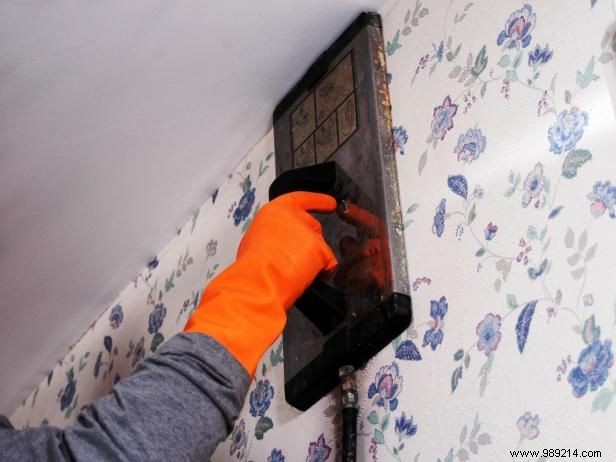
Rent a pro-grade steamer for thick, aged wallpapers. Expect mess from steam and drips—gloves and goggles essential. Ventilate well to avoid excess humidity. Press the pad firmly to penetrate and soften glue; timing comes with practice. Too little steam hinders removal; excess risks drywall damage. Scrape loosened paper—never peel by hand to avoid burns. More steam upfront means less scraping later.
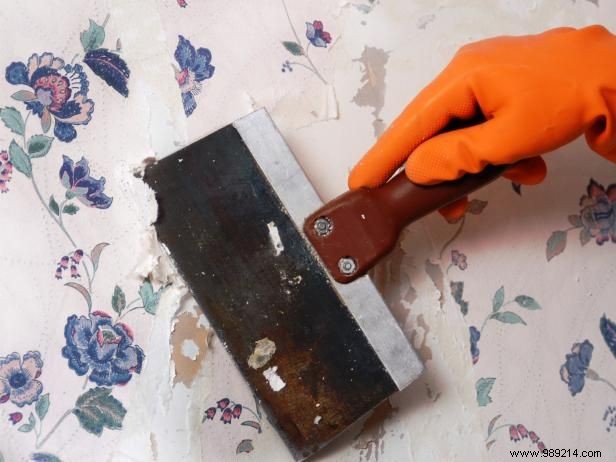
Once loosened, lift from seams or edges using a wallpaper scraper, plastic putty knife, or drywall knife. Avoid gouging the wall. Reapply solvent or steam stubborn spots. Continue until all paper and backing are gone.
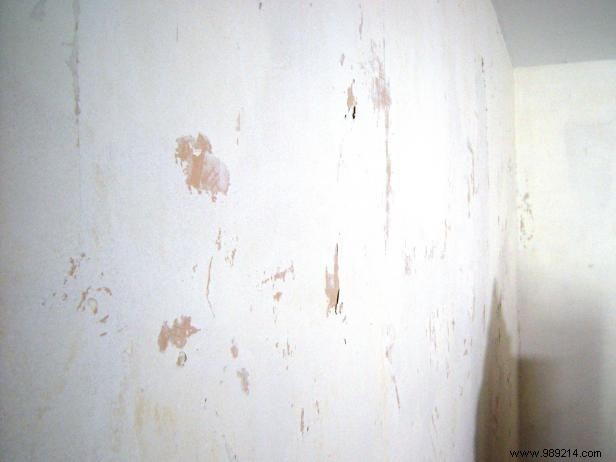
Mix hot water with TSP (tri-sodium phosphate, from hardware stores) to scrub off glue residue with a sponge—don't oversaturate. Rinse with clean water and towel dry. Patch dings in drywall or plaster with caulk, let dry, sand lightly with 150-grit paper, and wipe clean for a smooth finish.
