Three Proven DIY Furniture Polishes
After mixing these simple homemade recipes, transfer them to clean, labeled glass or plastic containers for easy storage and use.
Recipe #1
1 cup mineral oil
3 drops lemon oil or extract
Recipe #2
2 oz. grated beeswax
5 oz. turpentine
Recipe #3
1 cup olive oil
1/4 cup white vinegar
The oil deeply nourishes the wood, while the vinegar gently cleans and removes buildup.
Store Recipes #1 and #2 in glass or plastic containers. For Recipe #3, use a spray bottle for convenient application.
Ready to bring back that luster? As experienced woodworkers know, proper application is key. Follow these trusted techniques:
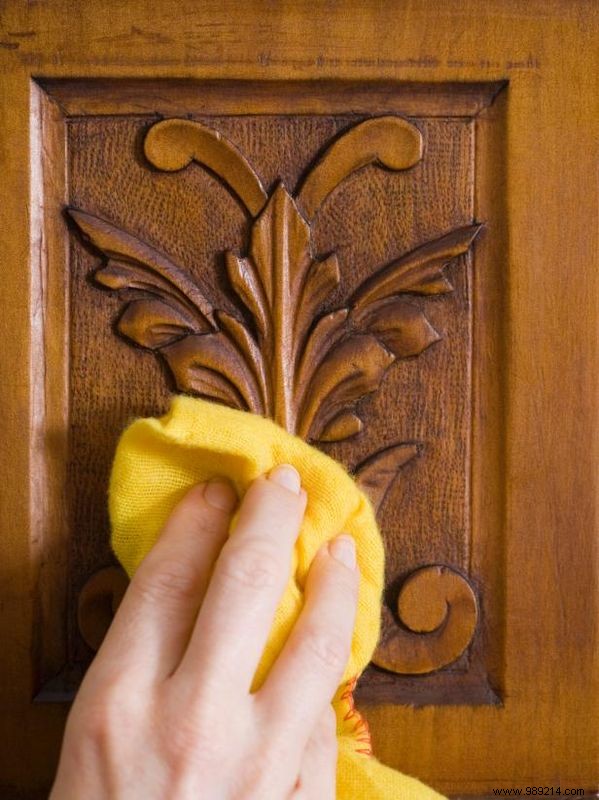
- Apply the solution to a soft cloth—never directly on the furniture—and rub gently into the wood grain. You'll see the shine return instantly. For extra-dry surfaces, let it absorb, then reapply a light coat of oil and vinegar mix.
- For intricate carvings or details, work the solution in thoroughly with the cloth, then use a soft-bristle brush to reach grooves. Finish by buffing with a clean, soft cloth.
With your furniture now gleaming, tackle these common wood issues using time-tested remedies:
- Reviving dull, buildup-covered finishes: Steep two tea bags in boiling water, cool to room temperature, then wipe with a damp (not wet) soft cloth. Tea's natural tannic acid restores vibrancy and shine effortlessly.
- Erasing watermarks and heat marks: Apply real mayonnaise (not dressing) to the spot, spread gently, and let sit for several hours or overnight. Buff the entire surface afterward for even shine.
- Tackling stubborn stains: For ink or tough marks, combine mayonnaise with Rottenstone (a fine pumice powder). Apply along the grain, reapplying as needed, then wipe clean. Patience yields professional results.
- Restoring dry, aged wood: Massage petroleum jelly into the surface. For severely parched pieces, let it sit before buffing into the grain with a soft cloth. No need to discard—revival is possible.
