For dry but not severely damaged wood finishes, a coat of high-quality paste wax works wonders. As a wood restoration expert with years of hands-on experience reviving antique pieces, I've found this method reliable and straightforward.
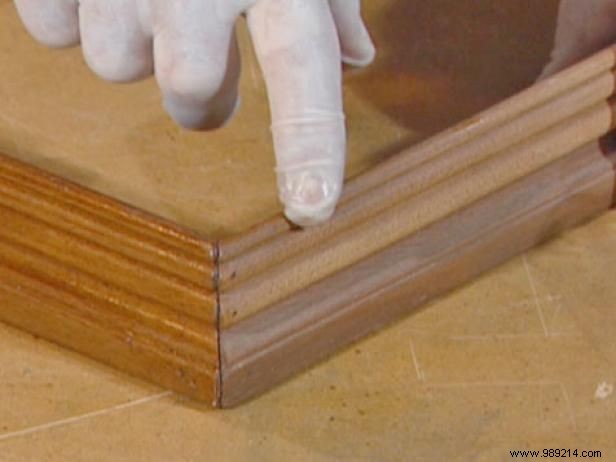
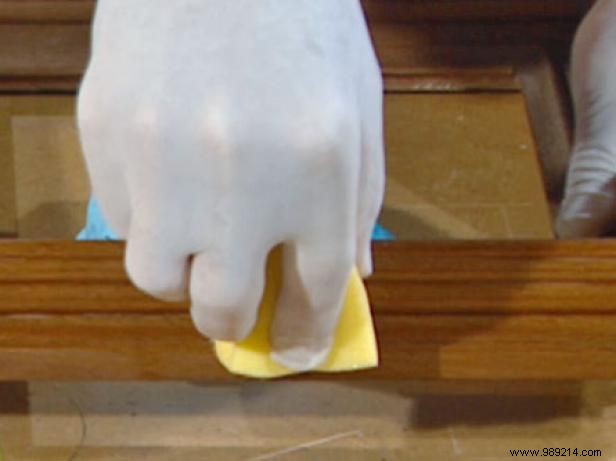
Apply the paste wax using a soft cloth (Image 1), rubbing it into the wood's pores with firm, circular motions. Its creamy consistency allows deep penetration, where it hardens into a durable protective seal, similar to car wax.
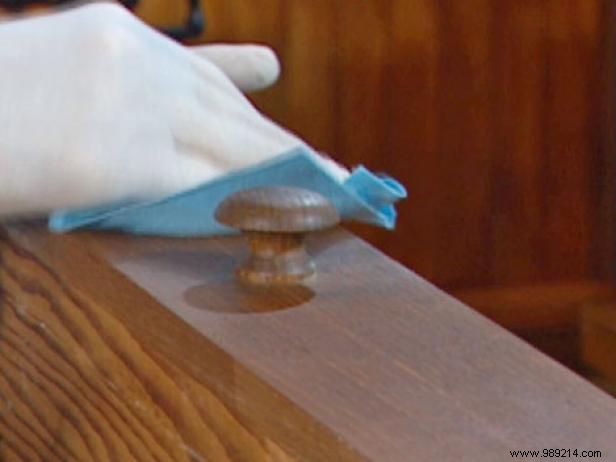
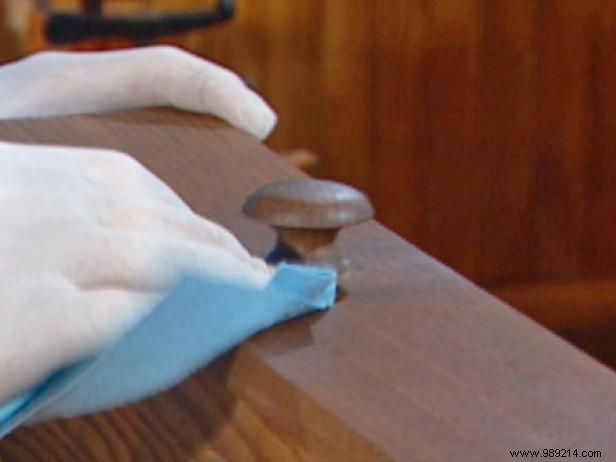
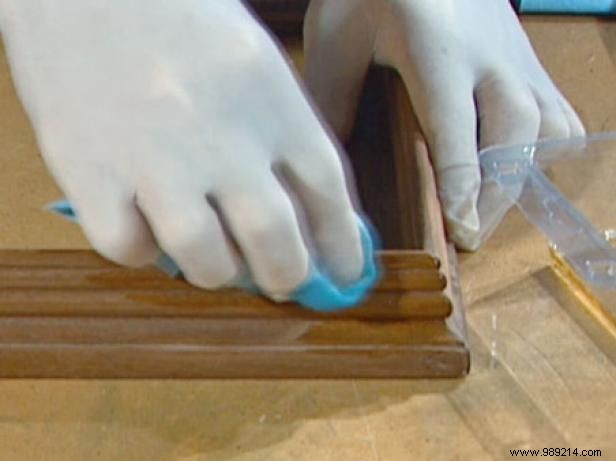
Let it dry for about five minutes, then buff with a clean, dry rag in the direction of the grain (Image 2). This removes excess wax and yields a subtle, low-gloss sheen perfect for antiques—elegant without overwhelming shine.
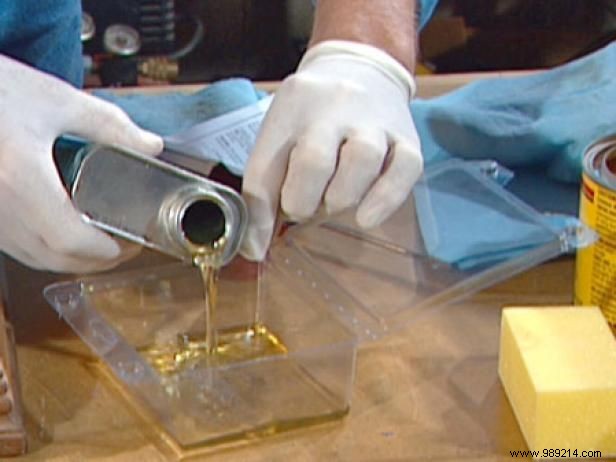
When finishes are extremely dry and lifeless, paste wax alone may fall short. Enter tung oil—a thin, penetrating finish (Image 1) trusted by professionals for deep nourishment.
Work in a well-ventilated area. Apply with a clean cloth or pad, rubbing it into the surface (Image 2) for optimal absorption into the grain.
For precision, dip an applicator pad, squeeze out excess, and wipe on evenly (Image 3). Though effective, it can be messy—protect your workspace with newspaper for easy cleanup.
Allow five minutes for penetration, then wipe off excess with a rag. This ensures hardening within the wood without surface stickiness.
For genuine antiques, preserving the original patina is paramount. But for severely rough, dry finishes, a gentle approach with ultra-fine sandpaper and lemon oil revives without harm.
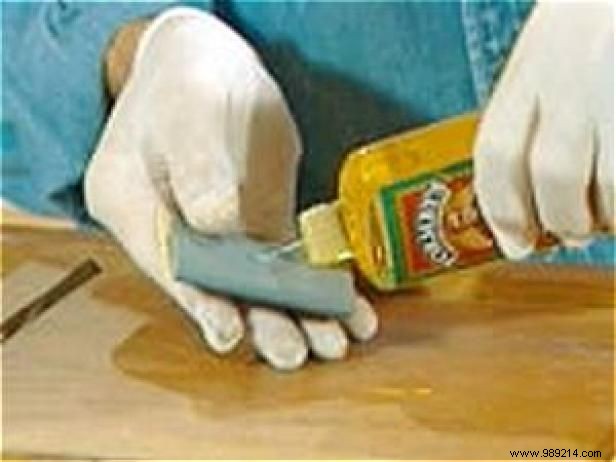
We used 600-grit paper lubricated with lemon oil on both the paper (Image 1) and surface. This lubricates to polish away dead finish layers, not the wood itself.
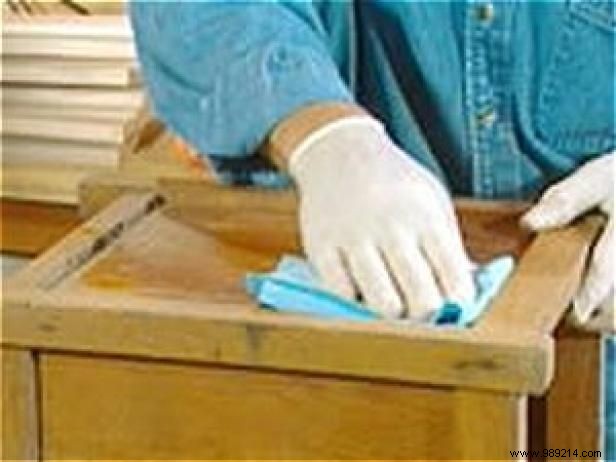
Sand lightly (Image 2) for a smooth, revitalized surface. Wipe away the oil with a clean rag (Image 3) afterward.
Done right, this proven technique breathes new life into aged wood while honoring its history.
