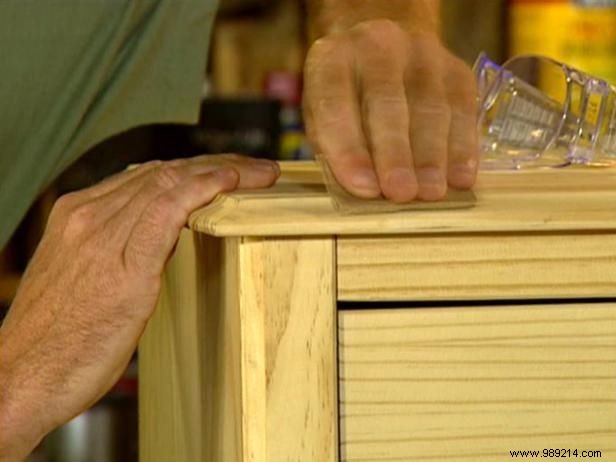
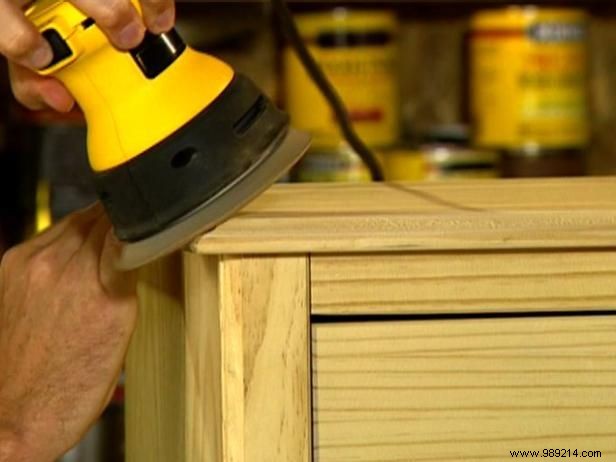
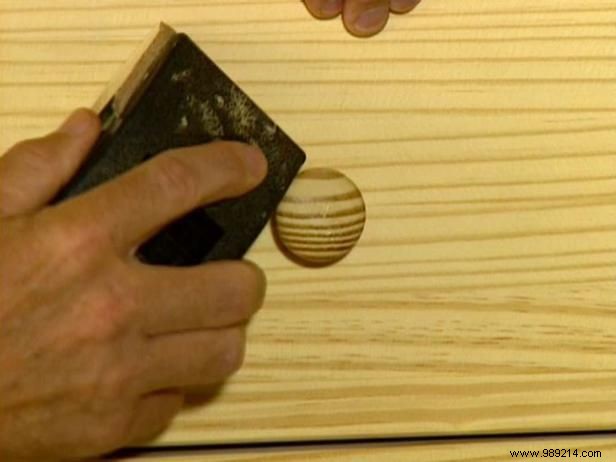
In my experience refinishing furniture, the key to aging modern pieces starts with softening the fresh wood's appearance. Use #120-grit sandpaper to dull edges and gently round sharp corners—a palm sander or block makes this efficient. Focus on high-wear areas like door tops and around knobs to mimic natural use. Wipe away dust with a tack cloth afterward.
When distressing, replicate realistic antique damage: nicks, dents, and even insect marks. Simple household tools achieve this convincingly.
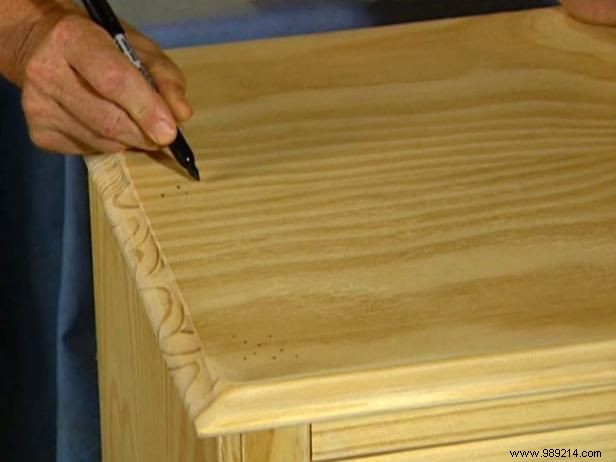
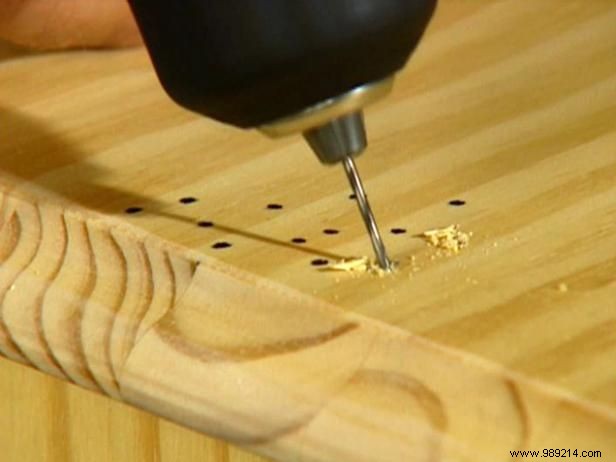
For termite-like holes, sketch a pattern near edges with a marker, then drill with a 1/8-inch bit at varied angles for realism. Lightly sand burrs smooth.
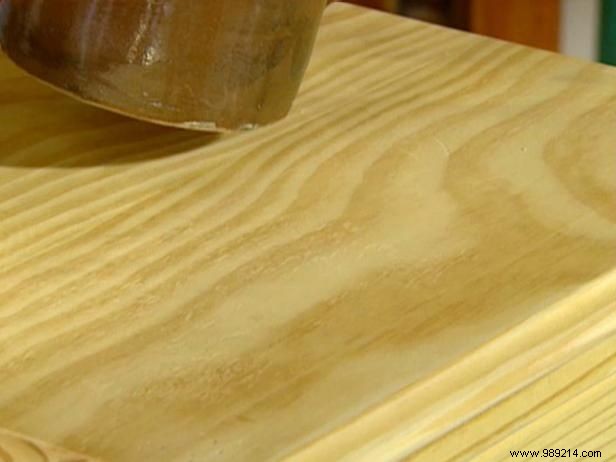
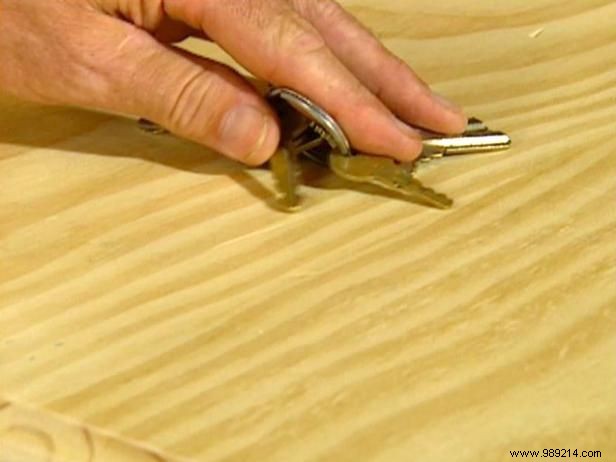
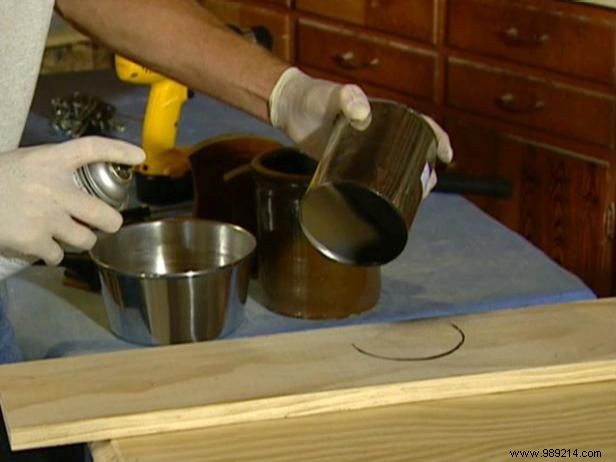
Create dents using the rough edge of heavy items like pots—vary tools for authenticity. Drag keys, pliers, or screwdrivers for scratches. For water rings, spray a can bottom black and imprint it (practice first). Add flyspecks with an ink-dipped toothbrush, ink stains from spills, or burn marks from a cigarette tip.
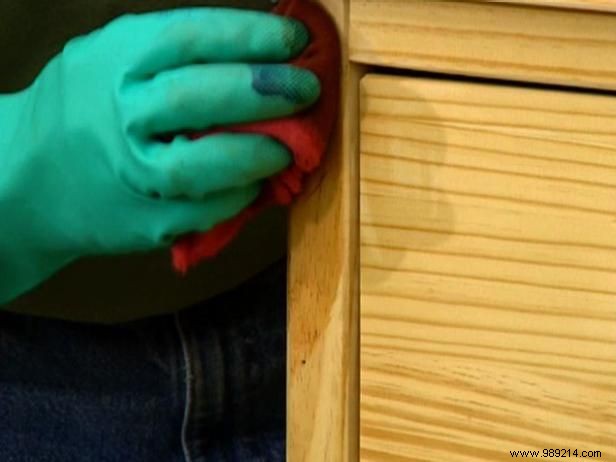
Stain enhances scratches and dents beautifully. For a sun-kissed golden patina, choose light options like golden oak or walnut.
After thorough dust removal, apply with a sponge or cloth. Wait three minutes, wipe excess, and dry overnight.
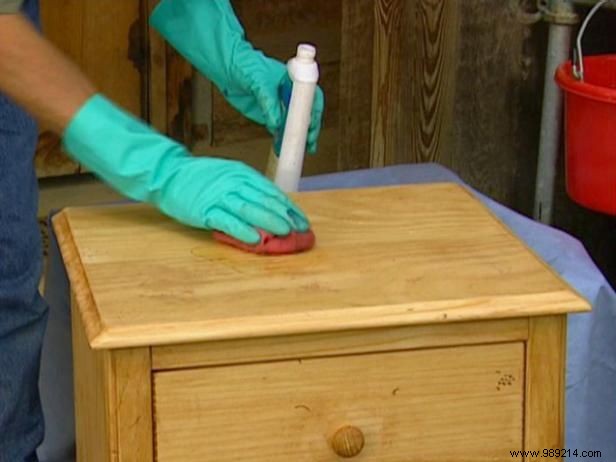
Tung oil protects while preserving the matte antique vibe—far better than glossy varnish. Rub it in post-stain drying; let cure overnight.
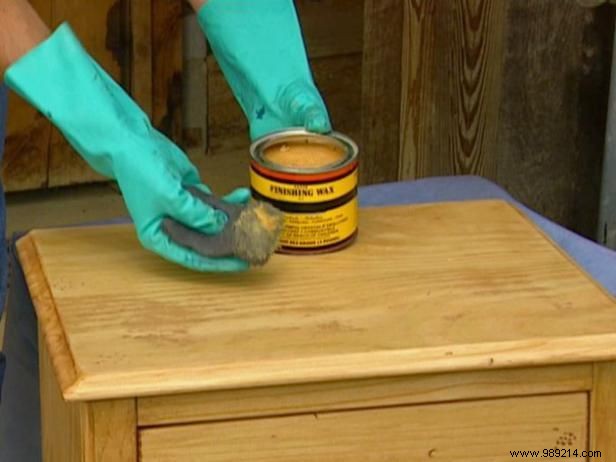
Finally, apply paste wax with extra-fine steel wool. After five minutes, buff to a satin sheen with a soft cloth. This tung oil-wax combo delivers genuine antique luster.
