Photo: Cary Wiedman
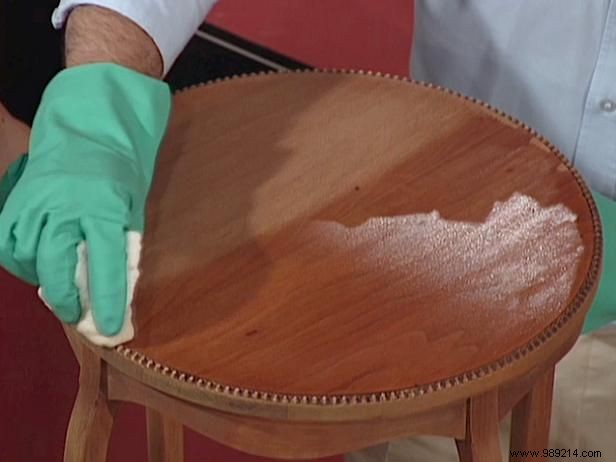
Photo: Cary Wiedman
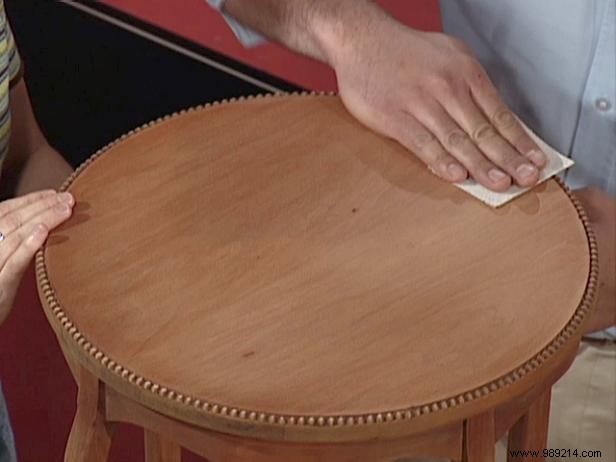
As an experienced woodworker, I've found that proper preparation is key to even stain absorption and a flawless result. Start by sanding with coarse sandpaper (lower grit numbers for rough surfaces), then progress to medium or fine grit (higher numbers). Sand with the grain until the surface feels smooth and uniform.
Between sanding stages, wipe away dust with a tack cloth. Clean the wood thoroughly with mineral spirits using a rag or sponge—this step reveals the wood's natural color variations.
Finally, apply a wood conditioner. It ensures smooth, even stain uptake, preventing blotchiness on porous woods.
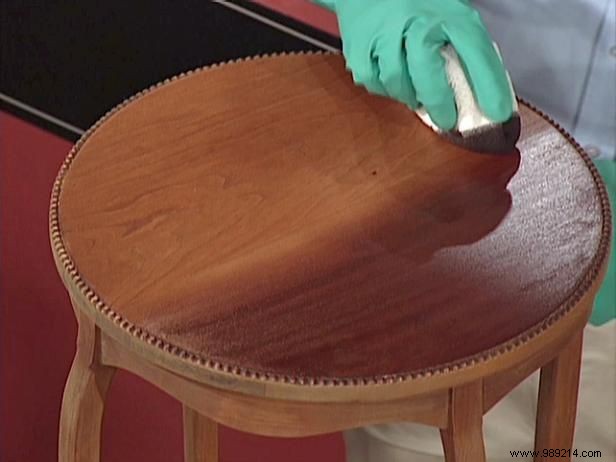
Photo: Cary Wiedman
Using a lint-free rag, soft sponge, or brush, apply the stain generously, always working with the grain. The dwell time determines the depth of color—leave it on longer for darker tones, then wipe off excess.
Note: Choose based on your needs. Water-based stains are non-toxic and easy to clean with water but may streak. Oil-based stains (liquid or gel) offer easier application and richer results, though they emit stronger fumes and require mineral spirits for cleanup.
Once the stain has fully dried, protect your work with a clear finish. Polyurethane remains the gold standard for its exceptional durability across tabletops and high-traffic furniture. For a more natural sheen, tung oil is a trusted alternative. Multiple thin coats yield the best longevity.
