
As a seasoned gardener drawing from decades of experience alongside my market gardening grandfather, I'm sharing proven advice on what to plant in your vegetable garden this October. Fall isn't the end of the season—far from it. You can sow and grow a variety of vegetables, greens, and even flowers from September through November for fresh harvests all winter.
We’ve curated a list of 11 reliable plants that thrive in cooler weather. Vegetables, leafy greens, and aromatics included—here’s what works best:

Before sowing, level and refresh your soil. After summer's heat, it's often compacted, dry, and nutrient-depleted. Turn it over ideally the day after rain, removing old roots, dead plants, and debris. For extra fertility, top-dress with green manure. Your garden is now primed for fall planting—choose your favorites and get growing.

Sow corn salad (lamb's lettuce) from September to early October. Dig shallow furrows a few centimeters deep, scatter seeds without burying them deeply, water gently, and keep soil moist with a frost cloth or burlap. Harvest continuously through winter and into early spring.
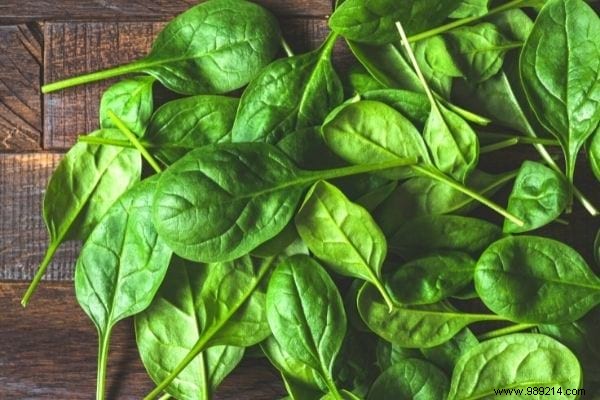
Spinach excels in fall planting. Opt for winter-hardy varieties sown from late August to September. Plant seeds in 3 cm furrows, cover lightly with soil, thin seedlings once leaves emerge by removing weaker ones, and enjoy harvests in about three weeks—fresh all winter.
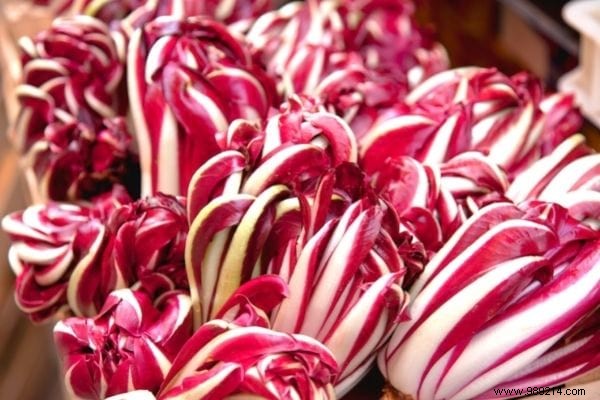
A winter standout for its flavor and color, chicory withstands cold superbly. Sow in 5 cm deep furrows spaced 30 cm apart, water regularly, and thin by removing less vigorous plants.
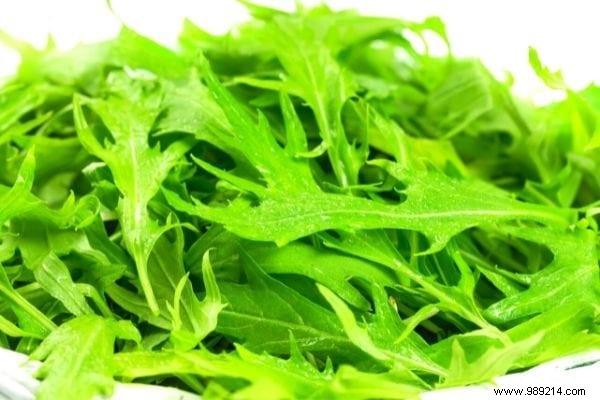
This peppery green loves fall's mild temps—it bolts in heat. Sow September to October in 1 cm furrows, water, thin frequently, and pick leaves after 20 days.
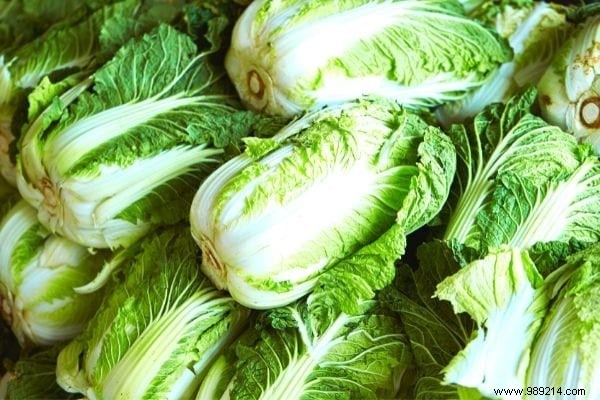
Ideal for beginners, Chinese cabbage is low-maintenance and thrives in cool, shaded conditions. Sow directly or transplant nursery starts. In temperate zones, it lasts all winter; protect with a greenhouse or row cover if needed.
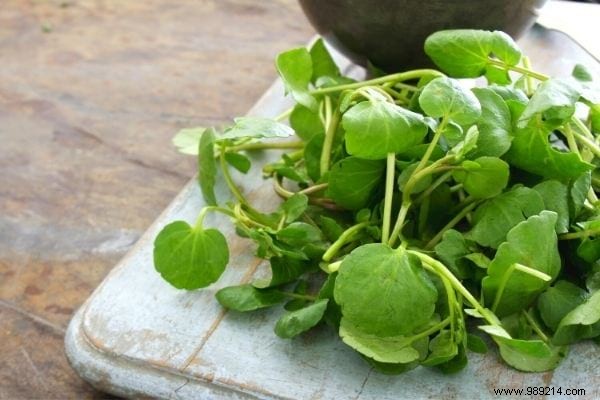
Shade-loving and heat-averse, watercress is perfect for fall. It prefers consistently moist soil—sow in shallow furrows, water often, and thin dense growth.
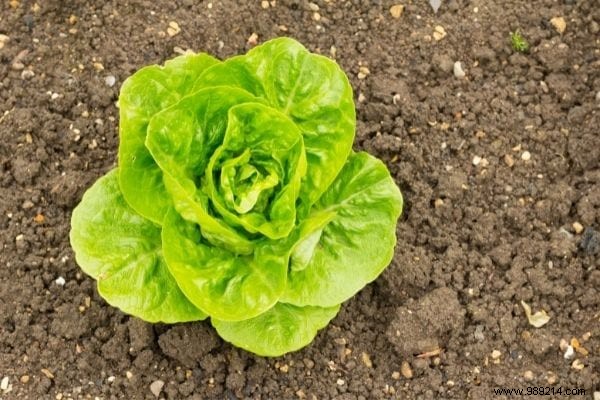
Winter varieties make lettuce possible year-round. Sow in autumn, rows 50 cm apart, keeping soil moist for steady growth.

In mild late fall areas, sow this root crop for mid-winter harvest (about 3 months). It tolerates frost in well-drained soil; mulch for protection.
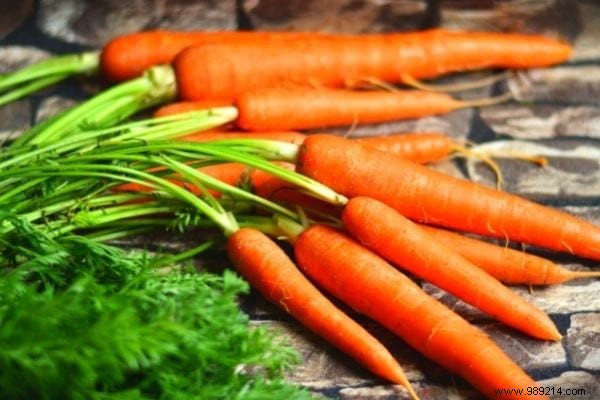
Root veggies like carrots overwinter well. Late varieties like Rotild can be sown in October for end-of-winter harvest. Mulch or use protective tunnels in cold climates.
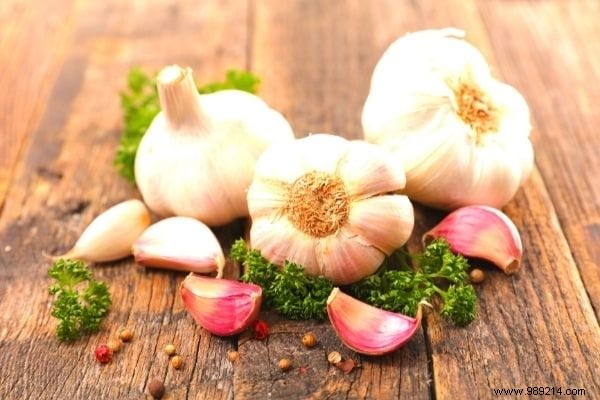
Plant garlic in fall, especially white and purple types. Set bulbs in 30 cm spaced furrows in sunny, well-drained spots (add sand if needed). Pots work too.

Beyond veggies, plant spring bulbs now for vibrant displays: tulips, daffodils, hyacinths, crocuses, snowdrops, peonies, irises. October sets up stunning spring beds. For November planting tips, check our list here. February ideas are here too.