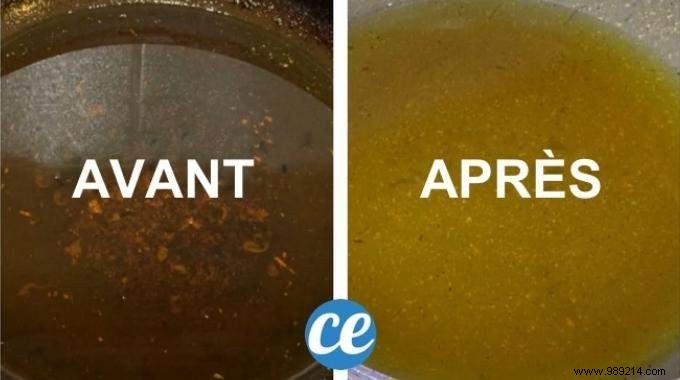
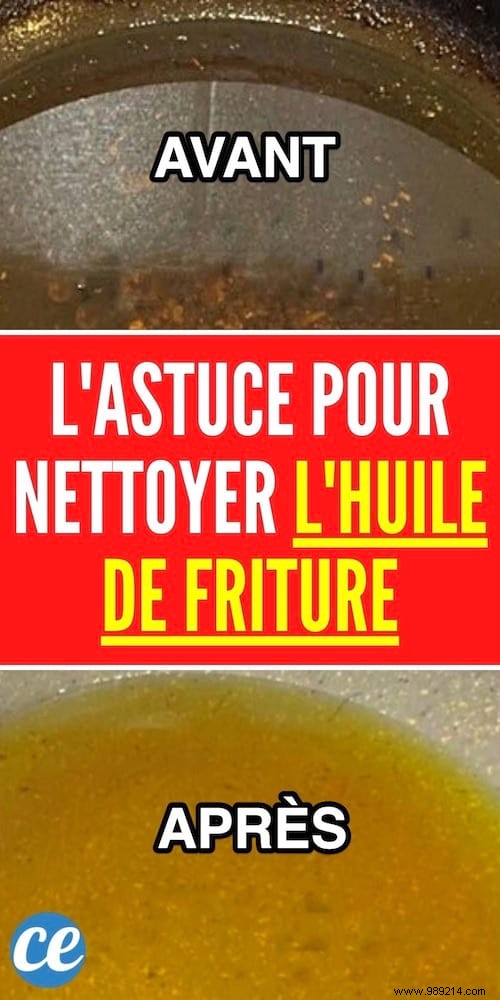
I've long wondered how to properly clean frying oil after using it for donuts, fried chicken, onions, or french fries. Throwing it away each time feels wasteful, so I turned to my grandmother, a seasoned home cook with decades of experience. She shared three reliable methods to filter and reuse it effectively.
1. For 1 liter of oil, mix 250 ml of water with four tablespoons of cornstarch in a bowl.
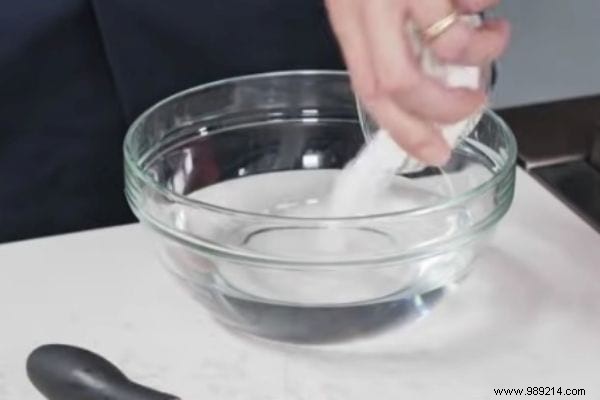
2. Stir until smooth.
3. Pour the mixture into hot or cold oil.
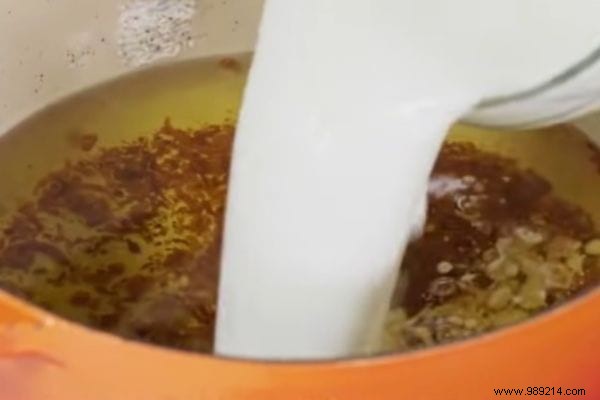
4. Heat the oil gently—avoid letting it boil vigorously.
5. Stir continuously with a heat-resistant spatula.
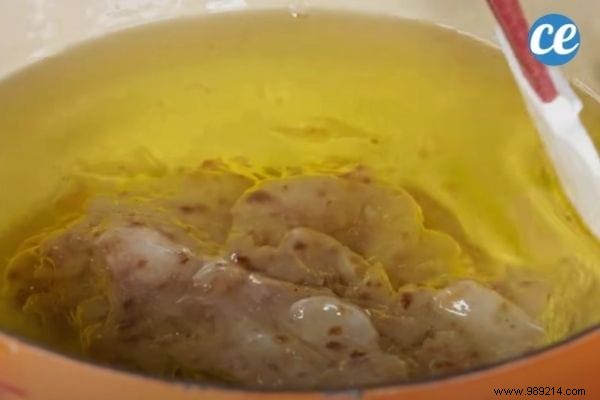
6. In about 10 minutes, the starch will solidify, trapping debris.
7. Strain through a fine-mesh sieve.
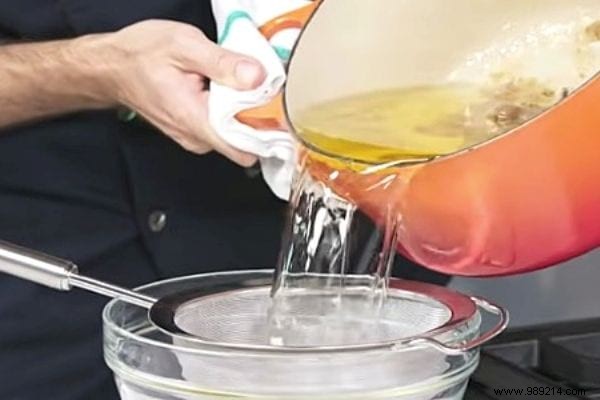
8. Your oil is now clean!
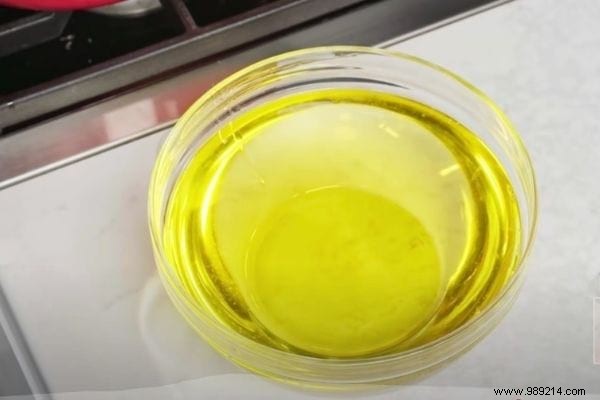
9. Let it cool and reuse it confidently.
If it appears cloudy, it will clarify when reheated. This method allows reuse at least 3 times. Scale up water and cornstarch for larger volumes. No sieve? Use a slotted spoon to remove solids.
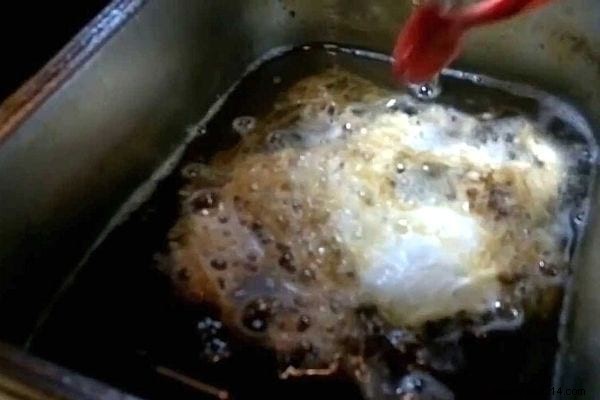
If you have egg whites, they're perfect for cleaning fryer oil. Separate one from the yolk (try this easy trick if needed), add it to hot oil, and stir constantly. As it solidifies, it captures crumbs and particles. Reuse up to 5 times!
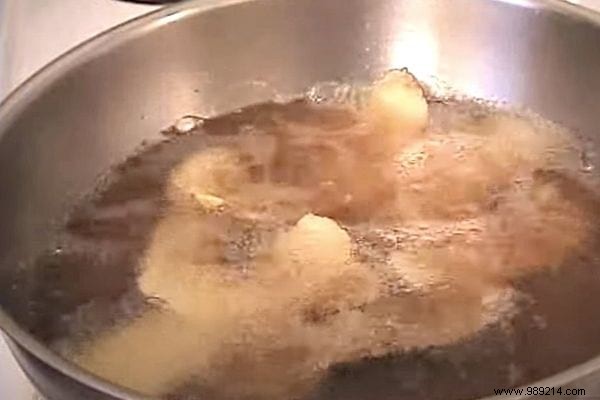
Save potato peelings from homemade fries—they're ideal for purifying oil. Rinse them well, heat the oil, and simmer the peelings for 5 minutes. Strain, and the oil is fresh-smelling and clean, absorbing odors and dirt. Bonus: Fry the peelings into crisps if the oil isn't too dirty.
Oil isn't indefinite—replace after 8 to 10 uses max to avoid health risks like carcinogens from overheating. Discard if it turns brown, smokes during cooking, or foams excessively.

These methods make filtering simple and cost-effective. Reuse unless you've fried fish. Skip paper towels like Sopalin—their chemicals aren't ideal.
Never pour down drains or toilets—it clogs pipes. Avoid compost too. For small amounts, bury in garden soil. Otherwise, store in a sealed container for trash or take to your local recycling center for proper processing—often given a second life. (Reuse sardine oil too—here's how.)
