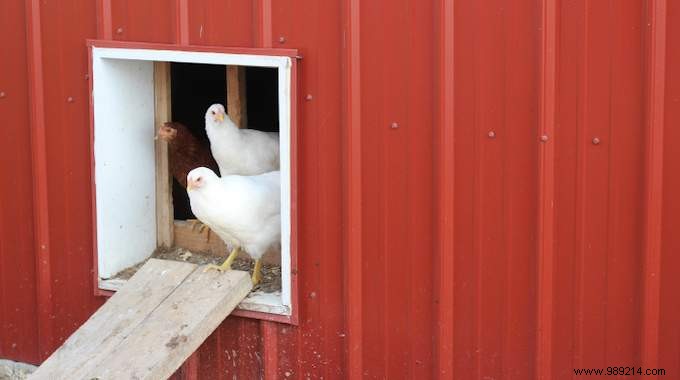
As a dedicated chicken keeper with years of hands-on experience raising backyard flocks, I cherish my hens. But summer brings a major challenge: swarms of flies invading the coop.
These pests thrive in warm weather, making it nearly impossible to approach without a mask. Thankfully, you don't need harsh chemical insecticides. I've tested natural solutions that keep my coop fly-free and safe for my birds.
These methods have dramatically reduced flies in my own setup. Here are 6 effective, natural strategies to get rid of flies in the chicken coop:
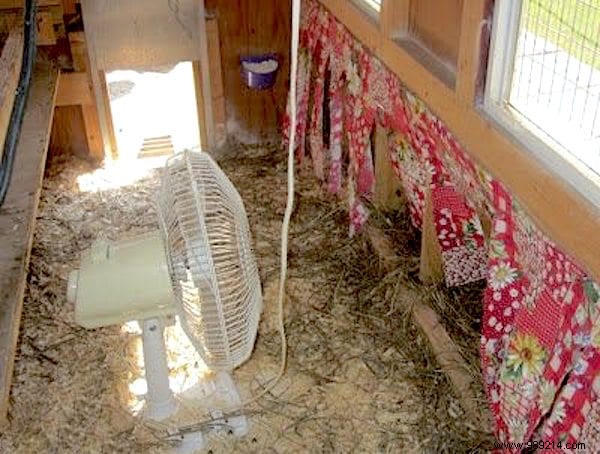
Good airflow is one of the simplest yet most powerful ways to deter flies. Position open windows on opposite sides of the coop to create a cross-breeze that naturally repels them.
Flies struggle to fly in windy conditions, making it tough for them to settle. If your coop has power, add a fan with a fine safety screen to protect the chickens—I've used this setup successfully for years.
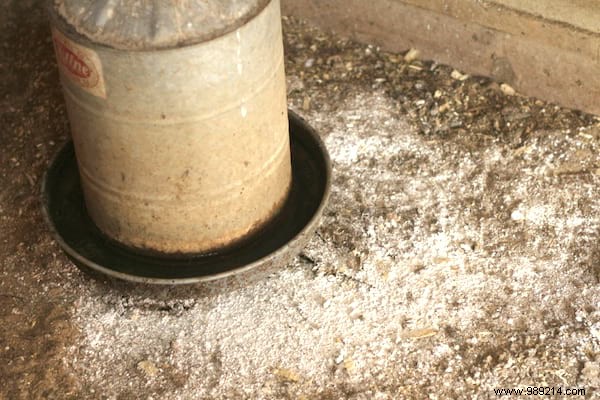
Diatomaceous earth (DE) is a staple in my poultry routine. This natural powder, derived from fossilized algae, dehydrates insects and larvae on contact.
Sprinkle it liberally inside and around the coop, especially in dust-bathing areas. It's 100% non-toxic to chickens and humans when food-grade, and combined with other tips, it delivers reliable results.
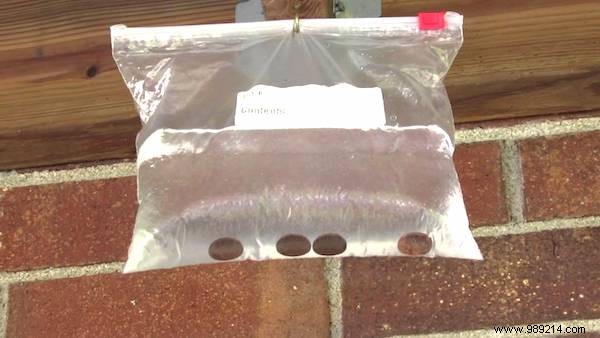
This old-school trick costs next to nothing and works wonders. Fill a zip-lock bag halfway with water, add a few pennies, and hang it near doors and windows.
The light reflections through the water confuse and deter flies. Popular in Mexico and proven in my coop—flies steer clear effortlessly.

Flies detest strong scents from essential oils. Mix 500ml white vinegar, 500ml water, 2 tbsp pure vanilla extract, and 40 drops of oils like peppermint, lavender, lemongrass, or thyme in a spray bottle.
Shake and spritz around entry points. This safe, aromatic blend keeps flies at bay without harming your flock.
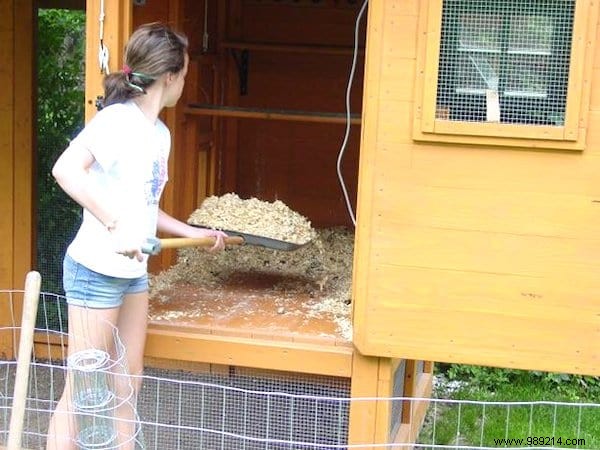
Cleanliness is your first line of defense—flies breed in filth. Remove manure daily, clean nesting boxes and perches with white vinegar, and use cardboard liners for quick changes.
Refresh bedding frequently, add DE, and feed outside the coop to avoid spills. Eliminate standing water and keep compost far away. These habits have transformed my coop's hygiene.
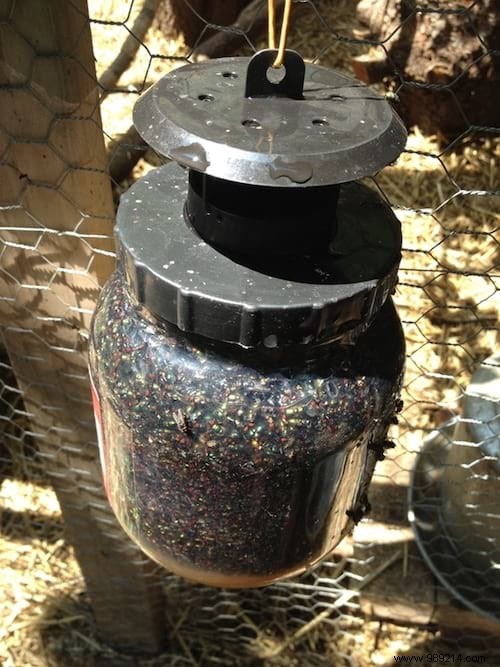
After testing countless traps, the Captivator stands out as the most effective. Recommended by a Canadian poultry expert, it's non-toxic and devastatingly efficient.
Hang it in sunny spots near the ground, a few meters from the coop. My 2-liter jar filled up in days—follow instructions for stunning results.
Bonus: How to Make an Ultra-Effective Bottle Fly Trap.
Have you tried these methods? Share your results in the comments—we'd love to hear how they worked for your flock!
