Yes, free laundry detergent exists—and it's simple to make at home. After testing it thoroughly, I'm impressed by its cleaning power.
Let me walk you through creating homemade ash-based detergent, drawing from time-tested methods our ancestors used.
Modern laundry detergents only emerged in the 1930s with synthetic surfactants. So how did people manage before big chemical companies dominated?
While researching historical practices, I stumbled upon "old-fashioned ash detergent." Intrigued (and a bit skeptical), I dug deeper into how our grandmothers harnessed wood ash for washing.
Sensitive readers, take note: it started with rituals involving sacrifices at the stake. Priests noticed their grease- and ash-covered robes emerged cleaner than expected.
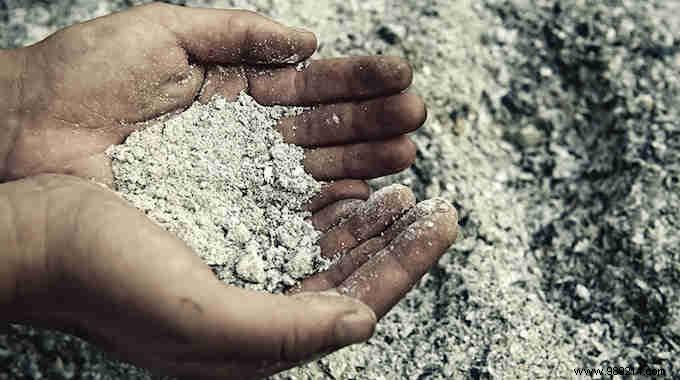
Whatever prayers they offered, the result was a breakthrough in laundry. Today, we understand the science: ashes yield potash, a natural alkali like washing soda.
Potash plus fats makes liquid soap (e.g., black soap); soda plus fats makes solid bars (e.g., Marseille soap). But let's focus on our ash lye.
Armed with knowledge, I foraged last summer. In my region, ferns are potash powerhouses.
Harvest very dry leaves, leaving roots intact for regrowth. They're ideal fire starters, skipping chemical cubes, alcohol, or gasoline.
Living in Brittany (home to Fougères, or "ferns"!), we're fern-rich despite less sun. Smokers: save those ashes—tobacco is potassium-packed, as are banana skins, corn silk, buckwheat chaff, potato peelings.
Wood ash, barbecue charcoal, and burned papers work too. Apartment dwellers? Beg from friends with fireplaces.
1. Work outdoors or in a ventilated spot like a garden or balcony.
2. Sift ashes through a strainer, removing charcoal, nails, staples.
3. Use 3 cups ashes per 1 liter water (rainwater ideal) in a first bucket.
4. Stir by hand.
5. Macerate 24-48 hours to extract potash; stir 4 times.
6. Filter into second bucket using a colander lined with 2 tea towels.
7. Liquid should be golden and soapy-feeling. Refilter if needed with fresh cloths (skip paper towels).
8. Bottle in a clean container.
9. Optionally, add 10 drops essential oil per liter (lavender or rosewood).
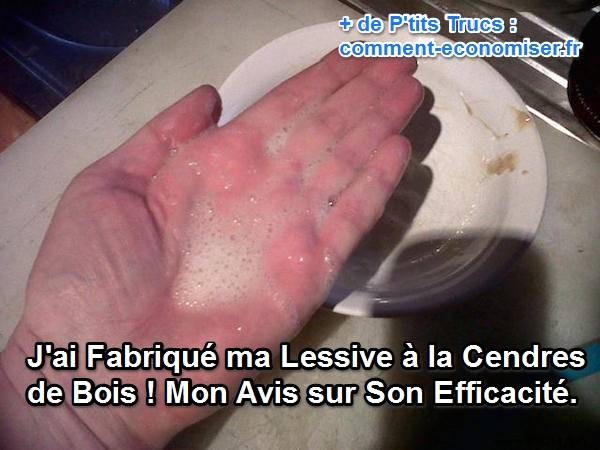
10. Shake well—it foams! Dose: 100 ml per load (less for efficient machines).
11. Leftover ashes? Compost or spread at plant bases—potash is a fertilizer that repels slugs and snails.
Your ash lye is ready! It's straightforward—no fancy gadgets needed.
Some add ash directly to drums, but I skip that to avoid clogging modern machines.
- Store dry ashes indefinitely; use lye fresh.
- Not for dishes.
- Potash is caustic pre-saponification—wear gloves for handwashing; neutralize with vinegar.
- Rinse floors thoroughly if pets/kids around.
- Test on non-delicates; corrosiveness varies by ash quality.
Cleaning power? Excellent. Pretreat stains as usual. I was blown away—now I stockpile fern and tobacco ashes eagerly.
If you love this, try ivy-based detergent next (recipe linked).
Cost: €0. My usual: €10/month. €120/year saved (1 load daily). Scent with free garden lavender.
Ready to try ash washing? Share your results!
