As seasoned gardeners know, relocating plants can be stressful for them. Tropical houseplants, in particular, face shocks from cold drafts, shifting light, and humidity changes during transport. With the right preparation, you can minimize damage and help them thrive in their new home.
Robust varieties like yucca and philodendron handle moves better, while delicate ones such as croton and ferns require extra care. Flowering plants like primroses and azaleas are especially challenging. That said, with proper steps, even they can make the journey successfully.
A few days before the move, water plants with a fertilizer containing trace elements. This strengthens them against environmental stresses.
For packaging, wrap plants in winter veil (even in summer) with several layers. This shields pots from temperature swings and drafts.
Upon arrival at your new home, place them in bright, indirect light—avoid direct sun on leaves until curtains are up. Mist foliage with non-calcareous water.
Quickly position them in their permanent spots to help them acclimate. Plants, like us, need time to settle into their new environment.
Between unpacking boxes, enjoy the autumn hues of your philodendron.
Potted outdoor plants are hardier, accustomed to drafts and humidity fluctuations. Still, upon arrival, water with a natural fertilizer suited for potted green or flowering plants. This is especially helpful during flowering season from April to September.
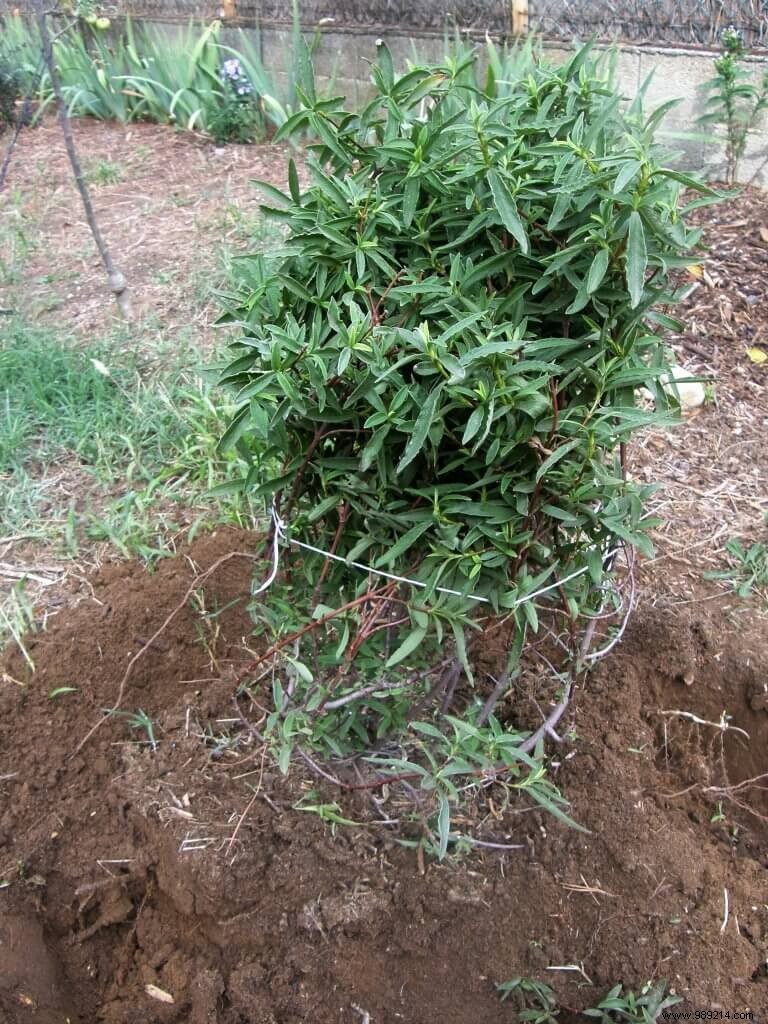
For in-ground plants in your current garden, timing matters. Moves during dormancy (November to March) pose less risk. Summer relocations are tougher. Always dig with a generous root ball, pot temporarily, and replant promptly. Water regularly, even in winter, avoiding frost.
Indoor plants may drop flowers or leaves soon after—a delayed reaction to transport stress. Don't panic; the issue has already occurred. Provide moderate watering and time for recovery. Prune resilient types like ficus, dieffenbachia, pothos, or ferns if needed. Be patient—in weeks or months, they'll rebound. Consider pruning, repotting, or welcoming new plants as housewarming gifts. A move can refresh your collection.
Explore more gardening advice on Mood Gardener.
