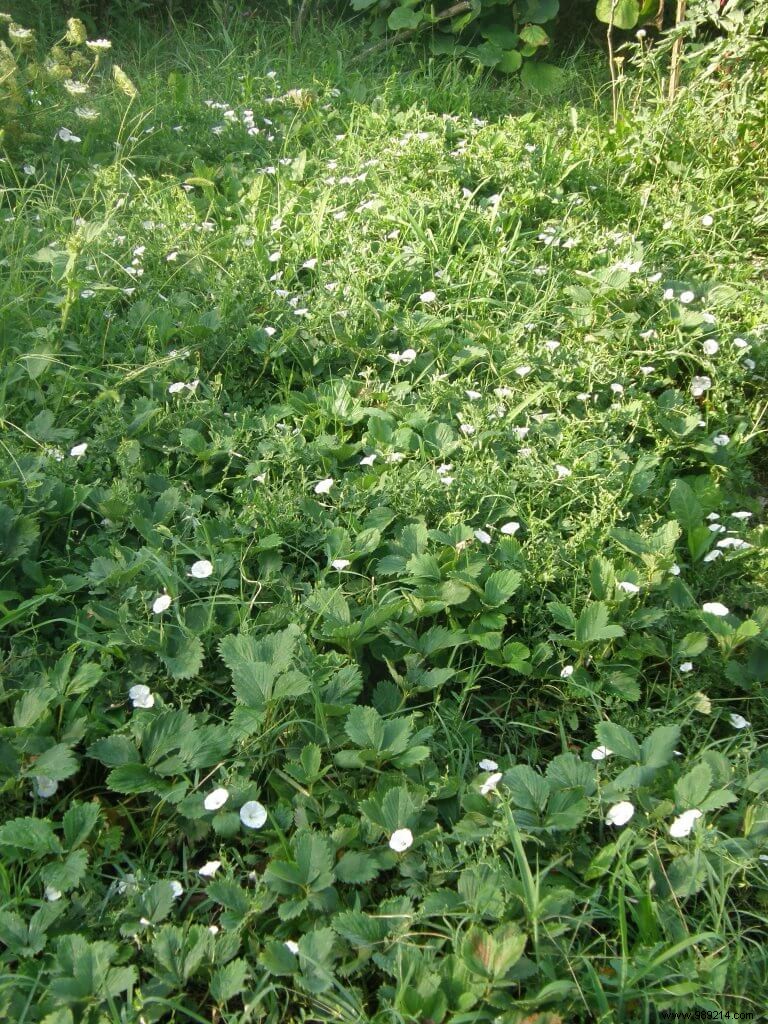
10 Proven Techniques for a Chemical-Free Garden: Mastering Invasive Plant Control
Invasive plants can compete with desirable species in your garden, but their root systems actually support soil vitality by fostering microbial life.
Tilling enriches the soil with organic matter. As plants decompose—through root die-off, fallen flowers, leaves, and associated microfauna—the soil receives a natural nutrient boost, nourishing earthworms, larvae, bacteria, and fungi.
Dead roots create macropores that improve water and air circulation, essential for thriving soil ecosystems.
To curb aggressive weeds without chemicals, rely on proven mechanical strategies: manually remove above-ground growth, cut flowers before seeds set, and apply mulch. These methods effectively limit proliferation.
1. The plant adapted to its environment
2. Biodiversity
3. Soil fertility
4. Irrigation management
5. Mulching
6. Managing invasive plants
7. The right gestures at the right times
8. The right tool, adapted, maintained
9. Companion plants
10. Crop rotation: 2 years of vacation!
Conclusion