10 expert techniques to minimize – or completely eliminate – chemical pesticides in your garden.
Biodiversity means the rich variety of living organisms in your garden, encompassing both wildlife (fauna) and plants (flora).
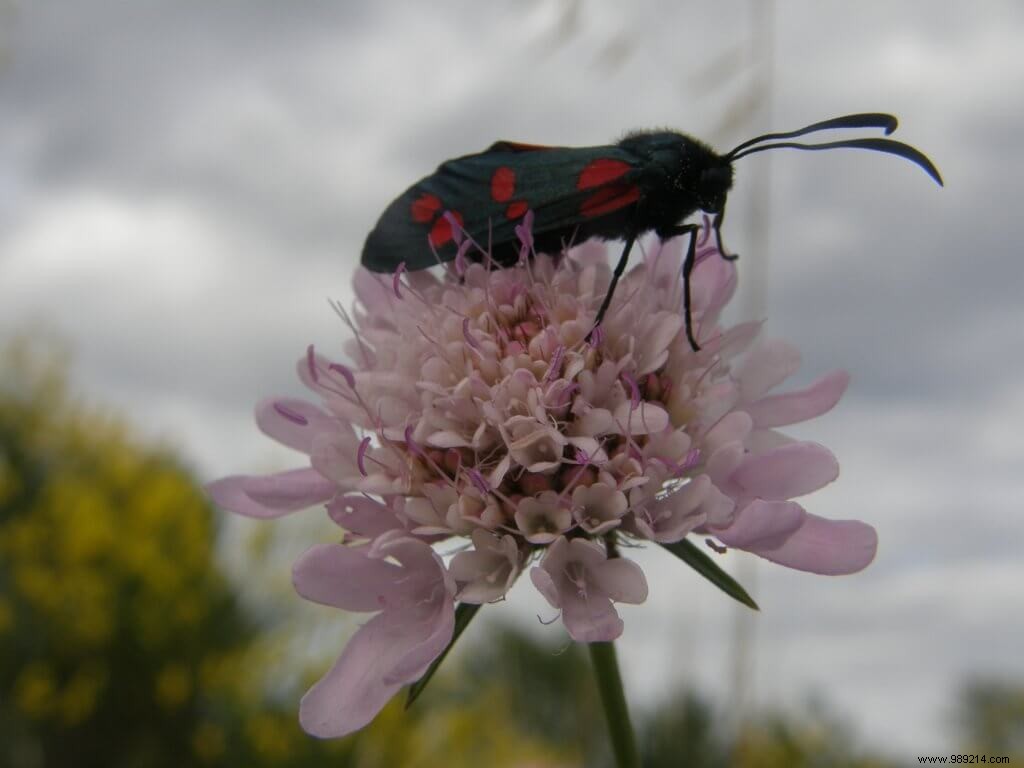
A thriving biodiverse garden naturally counters invasive pests. Beneficial predators – like birds, insects, and other animals – keep harmful populations in check, protecting your plants without chemicals. To make this work, prioritize plant diversity and smart management: let flowers bloom to draw in pollinators, but curb seeding to prevent weed takeovers.
The more plant species you host, the more animal species you'll attract. Just stay vigilant against aggressive invaders that could crowd out your desired flora.
For plants, preserve native wild species and introduce a wide array. Swap uniform hedges for diverse ones blending flowering, deciduous, and evergreen shrubs. Allow patches of wild grass, and diversify veggies in your plot plus flowers in beds.
To welcome animals, plant nectar- and pollen-rich species for bees, plus hollow-stemmed plants and nesting boxes for shelter. In one corner, build a leaf pile, wood stack, and stone heap – ideal winter refuges for insects, amphibians, and more.
Key families of bee-friendly (melliferous) plants:
Plants with hollow stems or pith for nesting: Deutzia, elderberry, forsythia, buddleia, bamboo, bramble, raspberry, reed, cane of Provence.
1. the plant adapted to its environment
2. Biodiversity
3. soil fertility
4. Irrigation management
5. mulching
6. Managing invasive plants
7. the right gestures at the right times
8. The right tool, adapted, maintained
9. Companion plants
10. Crop rotation: 2 years of vacation!
Conclusion