10 Proven Techniques to Minimize Chemical Inputs in Your Garden – And Potentially Eliminate Them Altogether!
Plants draw most of their nutrients from soil elements, primarily created through the breakdown of organic matter by soil life. Without earthworms, insects, spiders, crustaceans, bacteria, fungi, and other microorganisms, this vital transformation simply wouldn't happen. To foster thriving soil ecosystems, provide shelter, food, water, air, and breeding grounds.
Gardening practices like aggressive tillage must respect these dynamics. Deep plowing or tiller use disrupts soil layers, compacts the earth, harms soil organisms, depletes fertility, and leaves plants vulnerable to pests. Fortunately, gentler alternatives exist: surface aeration without inversion preserves soil structure, benefiting plants, soil life, and gardeners alike.
1. the plant adapted to its environment
2. Biodiversity
3. soil fertility
4. Irrigation management
5. mulching
6. Managing invasive plants
7. the right gestures at the right times
8. The right tool, adapted, maintained
9. Companion plants
10. Crop rotation:2 years of vacation!
Conclusion
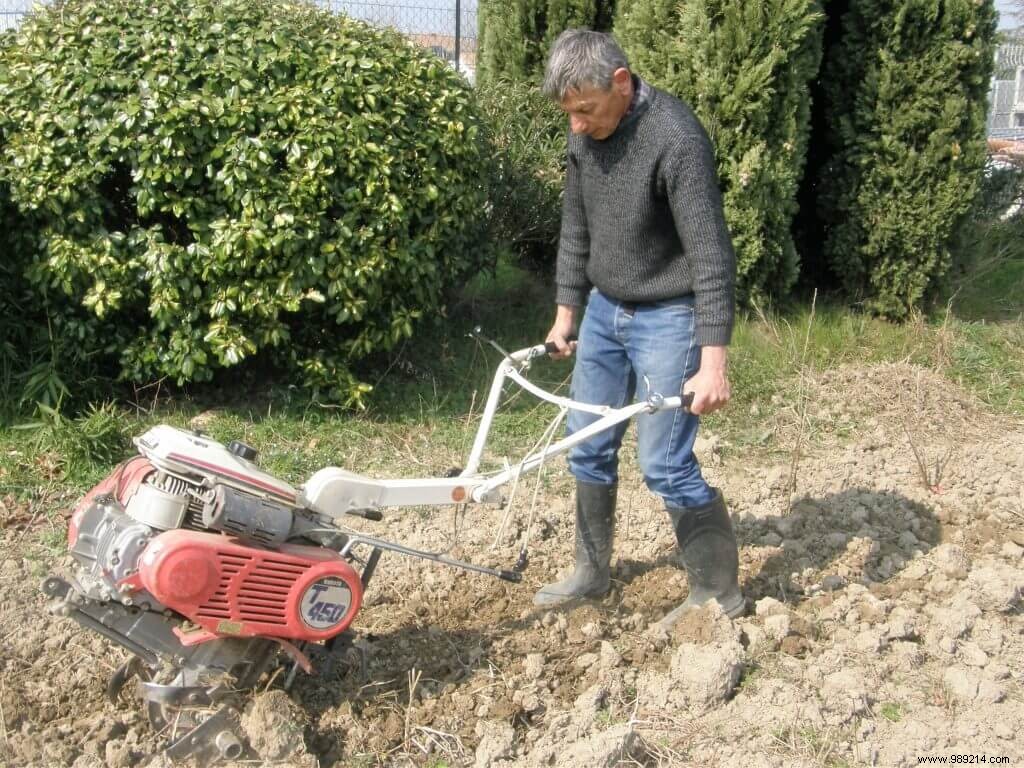
Motor cultivator: Disrupting soil layers
