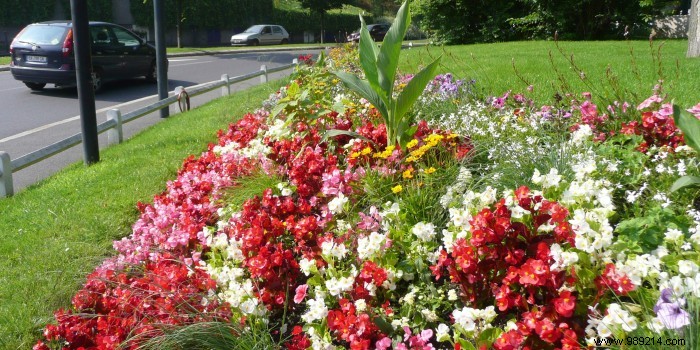
As summer transitions toward autumn, creating a magnificent garden bed is a rewarding year-round project. With years of hands-on experience in landscape design, I've helped countless homeowners craft stunning displays. Here are proven tips for building a beautiful summer flower bed that thrives.
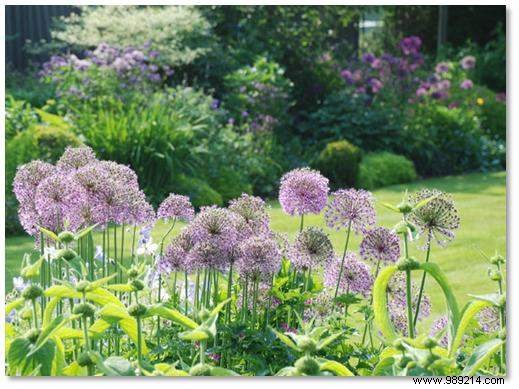
Enhancing your garden's aesthetics is a common goal, especially for those with ample space. Who wouldn't want a garden bursting with vibrant colors through every season? A well-planned flower bed is an excellent choice, but it demands thoughtful preparation. Key factors include plant selection, forms, foliage, and color harmony. For beginners, drawing from reputable gardening magazines and books provides invaluable inspiration.
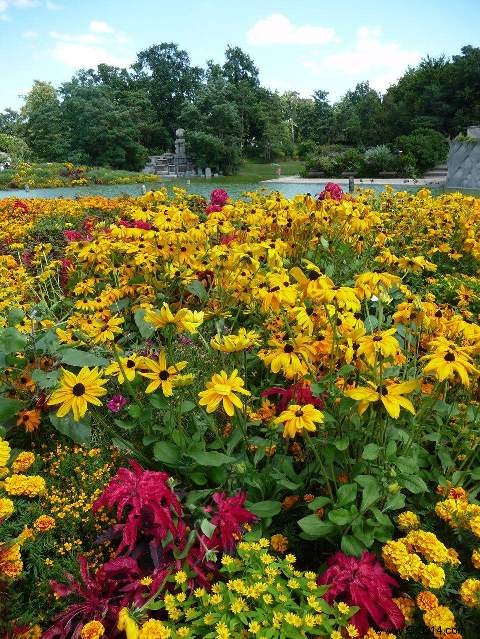
Start by assessing your site's climate—this is crucial for selecting plants, their heights, and colors to ensure harmony with the soil and surroundings. Once you've sketched the bed's shape, prepare the ground. Ideally, perform a false sowing two months prior to planting to eliminate weed seeds. Then, dig the soil and incorporate fertilizers to enrich it.
The key is choosing resilient, low-maintenance bloomers suited to your soil and tastes, such as snapdragons, dahlias, bidens, cosmos, zinnias, surfinias, petunias, cleomes, rudbeckias, geraniums, pelargoniums, gazanias, brachycomes, nicotiana, or Indian carnations. Scale varieties to your bed's size: tall options like alliums, lavender, gladiolus, and large sedums add drama into autumn. Plant naturally, guided by your vision for balance and appeal.

Maintenance requires precision, starting with targeted individual watering to reach roots while suppressing weeds. Water regularly to keep soil moist. Apply up to 8 cm of organic mulch around shrubs for protection from sun and cold.
Seasonal care varies: In summer and autumn, deadhead faded blooms to encourage new growth. In winter, trim remnants and leave them as natural mulch to enrich the soil, reducing the need for future fertilizers.
