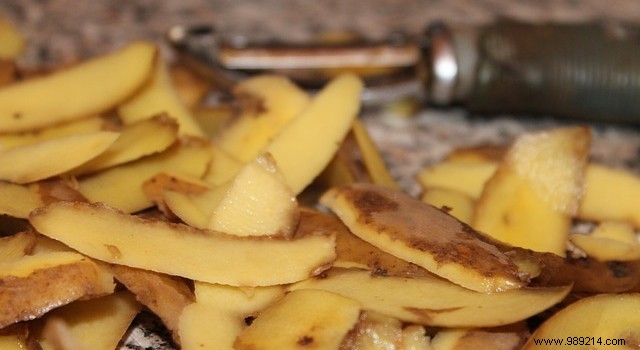
Ecology matters, and simple changes in daily habits can make a big difference without upending your routine. During the Grenelle Environment Forum, the French government aimed to cut household waste by 45%. Here's how to turn your organic waste into a resource and contribute to effective recycling.
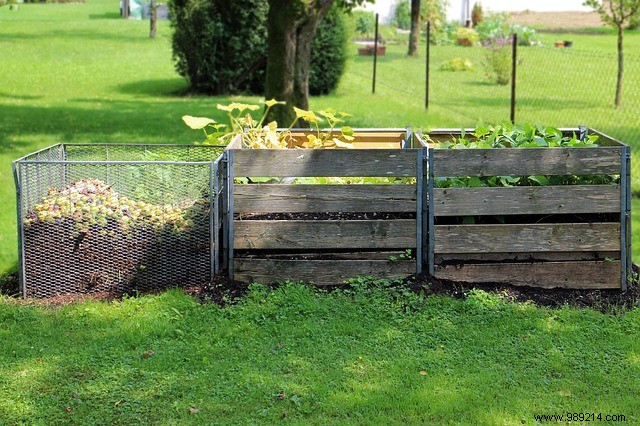
If you have a garden, composting is one of the most straightforward and proven methods. Set up a compost bin—available as open or closed plastic units, or even build one from stone—at the garden's edge. Over months, microorganisms and earthworms transform peels, scraps, and clippings into nutrient-rich compost.
Use this natural fertilizer to enrich your vegetable garden soil economically come spring planting time.
Key Advantages:
Potential Drawbacks:
Pro Tip: Chop waste finely to accelerate decomposition by microbes.
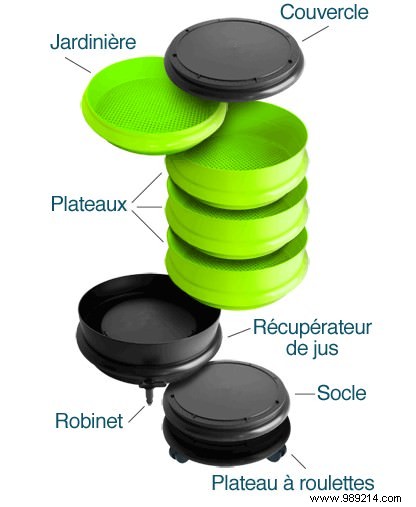
Apartment living—with or without a balcony—doesn't preclude recycling. Vermicomposting offers a compact, effective solution, recycling up to a third of your trash using earthworms like Eisenia species.
These systems produce compost from kitchen scraps right in your home, supporting urban sustainability.
Caring for Your Worms:

Advantages:
Drawbacks:
Pro Tip: Dilute worm juice 1:10 with water for a potent plant fertilizer.
Start today: Choose composting for your garden or vermicomposting for your apartment. Small steps like these invest in a greener future.
