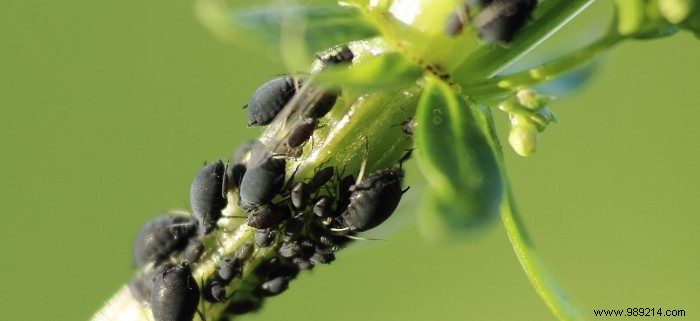
Countless insects threaten your crops, from caterpillars and flies to ants, beetles, snails, and slugs that can devastate vegetable gardens. As experienced gardeners know, starting with natural prevention methods is key to protecting plants without relying on toxic chemicals.
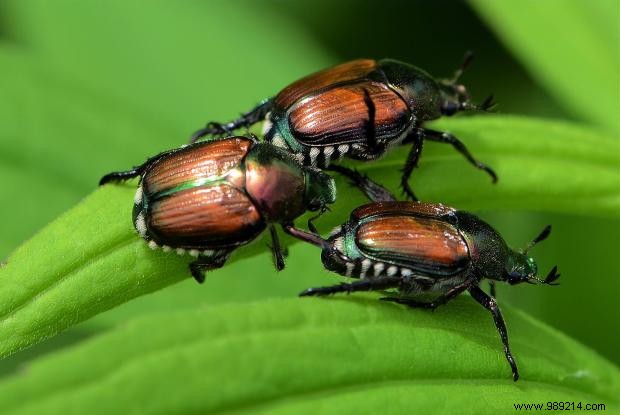
Beetles often devour young shoots, flowers, and buds.
Plant repellent species like rose geranium, which emits odors mosquitoes detest. Aromatic flowering plants are highly effective for keeping insects at bay during summer gatherings. Embracing biodiversity through natural prevention strengthens your garden's defenses against pests.
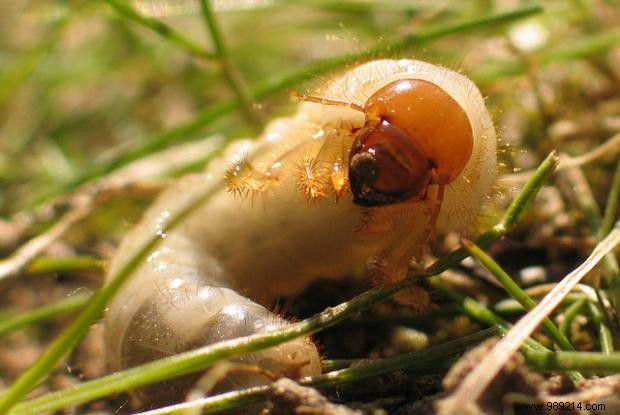
The cockchafer larva, or 'white grub,' is a notorious lawn pest.
For vegetable growers, annual crop rotation prevents parasite buildup in soil—alternate rows with dill, for instance. Combat slugs with wood ash or beer traps. Spray plants with garlic infusion and reapply as needed.
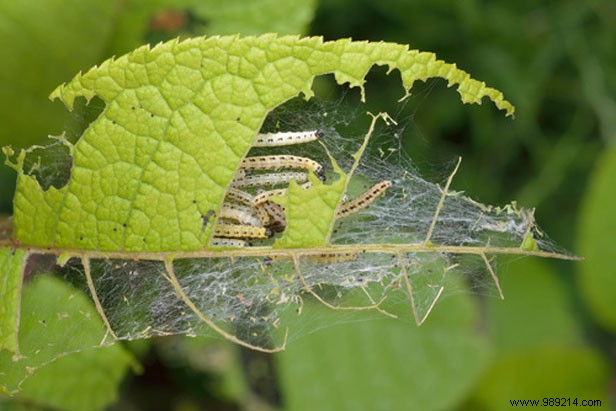
Caterpillars can ravage plants quickly, though they later become beneficial butterflies.
Stock up on insect traps and veils from garden stores. For severe infestations, opt for biological controls like Bacillus thuringiensis (BT) for vegetable worms. A top strategy: Plant nectar-rich wildflowers to attract aphid predators like ladybugs, fostering garden health.
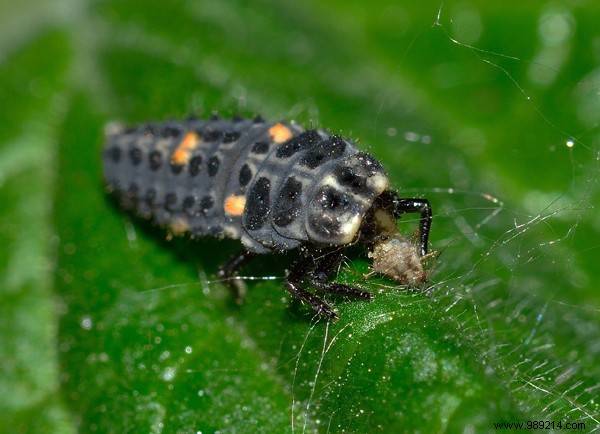
Ladybug larvae are voracious aphid predators.
A thriving garden hosts insects and animals that maintain natural balance. Beneficial helpers include earthworms, ladybugs, butterflies, and hedgehogs, which combat pests effectively.

Hedgehogs hunt slugs nocturnally.
Each plays a vital role: Earthworms aerate soil and provide natural fertilizer; ladybugs devour aphids; hedgehogs target slugs and spiders. Relocate these allies from the wild to your garden—they're invaluable natural guardians. Larger gardens support diverse wildlife, so avoid over-tilling and let nature thrive.
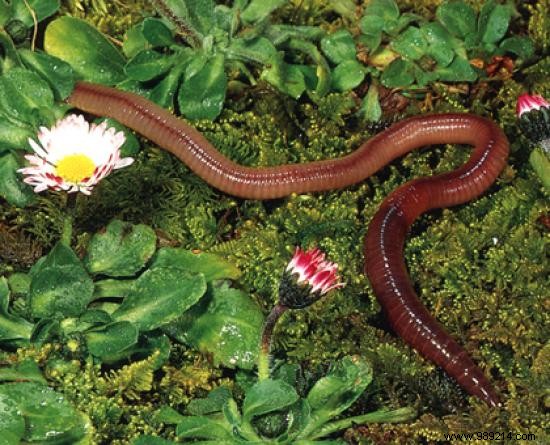
Earthworms enhance soil access to water and nutrients.
For overwhelming infestations, consult a professional to avoid complications. Pests like bed bugs, ants, and cockroaches spread rapidly—store-bought products often fall short. Experts offer targeted solutions.
Act early at the first signs to prevent full-scale invasions.
